Views: 0 Author: Site Editor Publish Time: 2026-07-17 Origin: Site


Most modern outdoor decks rely on a standard 5.5-inch board width. Builders and homeowners have trusted this dimension for decades. However, premium material lines now offer distinct wide and narrow profiles. These fresh dimensions bring entirely new design possibilities to backyard renovations.
Board width fundamentally alters the visual scale of your outdoor space. It also shifts installation mechanics and underlying structural requirements. You cannot treat board width as a simple design afterthought. A wrong choice can lead to structural warping, poor drainage, or immediate budget overruns.
You need to move beyond purely aesthetic preferences right now. We will evaluate the structural, financial, and spatial realities of varying board widths. You will learn how to assess joist framing, calculate hardware needs, and balance architectural scale. We will guide you through these critical factors before you finalize any material order.
Aesthetic Proportion: Wide boards visually expand large spaces and offer a modern, clean look; narrow boards emulate vintage, traditional hardwood flooring.
Structural Realities: Varying widths dictate fastener counts, joist spacing tolerances, and thermal expansion management in WPC decking.
Cost Implications: Narrow boards require significantly more clips and screws per square foot, impacting total project hardware costs.
Multi-Width Applications: Mixing widths is an emerging high-end trend but demands precise substructure planning and experienced installers.
You must understand the exact measurements shaping the modern decking market. The industry offers three distinct categories today. Each width profile serves a specific architectural purpose. They also carry unique structural demands.
The Baseline (Standard): Standard boards typically measure 5.25 to 5.5 inches wide. They serve as the undisputed benchmark for deck construction. Almost every framing guide bases its calculations on this dimension. Builders rely on this size to calculate standard joist spacing at 16 inches on center. It also sets the baseline for hardware limits and clip estimates.
The Wide Board Profile: Wide boards generally measure 7.25 inches or wider. Manufacturers designed them to mimic large-format indoor hardwood flooring. They create an immediate sense of luxury. You will often see them used in high-end contemporary home designs.
The Narrow Board Profile: Narrow boards generally sit around 3.5 inches wide. Designers use them to replicate traditional porch flooring. They also fit classic nautical or coastal architectural styles perfectly. Narrow profiles offer a refined, highly detailed aesthetic.
Review the dimensional differences below to understand how each profile aligns with framing standards.
Profile Type | Typical Width | Primary Aesthetic | Standard Joist Spacing Limit |
|---|---|---|---|
Standard | 5.25" - 5.5" | Versatile, traditional deck look | 16 inches on center |
Wide | 7.25"+ | Modern, seamless, large-format | 16 inches on center (12" if diagonal) |
Narrow | ~3.5" | Vintage, coastal, intricate | 16 inches on center |
Wide boards drastically change the visual impact of a backyard. They bring indoor flooring aesthetics to outdoor living spaces. However, you must respect their specific installation requirements.
Wide profiles reduce the total number of visible seams across your deck. This creates a highly sleek, contemporary aesthetic. The uninterrupted surface grain mimics luxury interior hardwood. Furthermore, wide boards visually anchor expansive outdoor spaces. If you have a massive multi-level deck, standard boards can look busy. Wide boards calm the visual noise. They make large areas feel grounded and deliberately designed.
Pro: Faster Coverage. Wide boards cover square footage much faster. Builders have fewer boards to cut, carry, and lay down. This accelerates the primary assembly phase noticeably.
Risk: Unforgiving on Substructures. Wide boards act like see-saws on uneven framing. A non-level joist will cause noticeable telegraphing or wobble. You must plane or shim your joists perfectly flat before installing them.
Expansion Factor: Greater surface area per board equals greater thermal movement. High-quality Composite Decking requires strict adherence to manufacturer gapping guidelines. You must leave adequate space at the board ends and sides. This accommodates expected expansion during hot summer afternoons.
Best Practice: Always use a straight edge across your joists before laying wide boards. Planing high spots takes ten minutes but saves years of frustration. Wide boards will not hide sloppy framing.
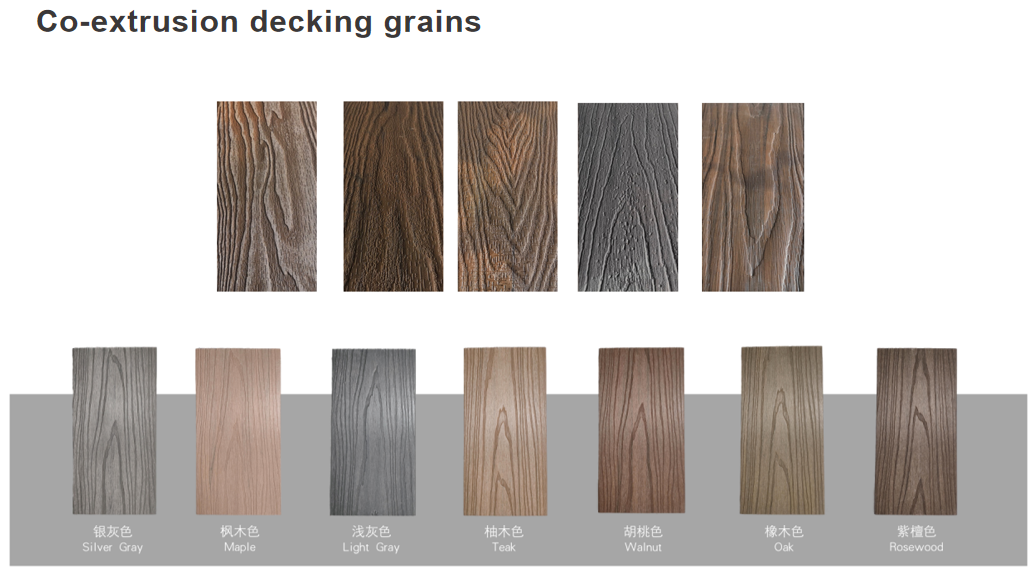
Narrow boards offer a completely different set of benefits. They lean heavily into traditional, intricate craftsmanship. They require more effort but deliver stunning architectural detail.
Narrow boards deliver a highly textured, traditional vintage look. Architects frequently specify them for historic home renovations. A Victorian or Craftsman home pairs beautifully with 3.5-inch boards. Furthermore, narrow dimensions excel in complex geometric layouts. They work brilliantly for intricate inlays, picture-frame borders, and tightly curved deck designs. They bend more easily than wide boards when heated for custom radii.
Pro: Better Traction and Drainage. More boards mean more side-to-side seams. These extra gaps subtly improve surface traction underfoot. They also facilitate faster water drainage during heavy storms. Finally, narrow boards forgive minor joist height discrepancies much better than wide ones.
Risk: Higher Labor Time. You will handle almost double the number of boards compared to a wide profile. Cutting, carrying, and aligning these pieces drastically increases labor hours.
Hardware Cost: Narrow boards demand roughly 30 to 40 percent more hidden fasteners per square foot. You must secure every single board at every joist intersection. This drives up initial hardware and screw costs significantly.
Common Mistake: Do not underestimate the fastener budget for a narrow board project. Builders often order standard box quantities of hidden clips, only to run out halfway through the installation.
You cannot separate deck board width from substructure engineering. The frame beneath your feet dictates the success of the surface material. Composite Decking,WPC decking behaves differently than traditional timber.
WPC (Wood-Plastic Composite) and advanced PVC materials expand and contract linearly. Temperature fluctuations drive this movement. Board width heavily impacts lateral (side-to-side) expansion. Wide boards swell more across their width than narrow boards. Therefore, you must maintain proper side-to-side gapping. Most manufacturers require a specific gap size, often around 3/16 to 1/4 inch. This prevents wide boards from buckling against each other during intense heat waves.
Standard 16-inch on-center joist spacing generally supports all three width profiles perfectly. However, laying boards on a 45-degree diagonal changes the physics. A diagonal layout spans a longer distance between joists. When using wide boards on a diagonal, you often require 12-inch on-center framing. This tighter spacing prevents the wide surface from flexing or feeling spongy under heavy foot traffic.
Different widths perform better with specific fastening approaches. Hidden clip systems often work best for wide boards. Quality clips allow the board to shift slightly during thermal expansion while holding it down securely. Conversely, some builders prefer top-screwing narrow boards. Color-matched top screws lock the narrow boards tightly to the frame. This prevents twisting. Always consult the specific brand specifications before finalizing your fastening method.
You do not have to choose just one width. The industry now embraces mixed profiles. This approach creates highly customized, bespoke outdoor surfaces.
Multi-width decking involves mixing narrow, standard, and wide boards on the same frame. A popular layout repeats a pattern of 3.5-inch, 5.5-inch, and 7.25-inch boards. This strategy mimics custom interior hardwood floors. It represents a rapidly growing high-end trend in modern backyard design.
This aesthetic works best on large, unbroken deck surfaces. You need adequate square footage to let the repeating pattern breathe. Small spaces look cluttered when filled with mixed widths. Additionally, multi-width success requires intense pre-planning. You must draft the layout mathematically before cutting any material. The repeating pattern must end evenly at the outer deck fascia. You do not want to finish the deck edge with a bizarre, ripped sliver of a board.
You face high complexity in calculating material takeoffs. You cannot simply order a standard pallet of boards. You must calculate the exact square footage ratio for each specific SKU. Ordering mistakes cause major project delays. Furthermore, this installation demands a master-level deck builder. We strongly advise against multi-width projects for first-time DIYers. The required precision usually exceeds amateur skill levels.
Selecting the right board width requires a systematic approach. Follow this evaluation framework to align your design desires with your project realities.
Assess the Deck Scale. Match the board scale directly to the deck scale. Small patio decks often look overwhelmed by massive 7.25-inch boards. Conversely, sprawling 1,000-square-foot decks can look overly busy and cluttered when built entirely with 3.5-inch narrow boards. Let the overall footprint guide your proportions.
Audit the Substructure. Evaluate your underlying frame honestly. Are you resurfacing an older, slightly uneven deck frame? If so, lean away from wide boards. They will highlight every single dip and bump. Choose wide boards only if you plan to aggressively sister or plane the existing joists to a perfectly flat plane.
Calculate the True Cost. Do not look at the board price alone. Factor in the specific fastener requirements. Narrow boards carry a high hardware cost premium. You will buy significantly more clips, screws, and construction adhesive per square foot. Build this into your initial budget.
Order Samples. Never buy a full pallet based on digital photos. Order physical samples of standard, wide, and narrow profiles. Lay them out against your home exterior siding. Validate the physical scale and color match in natural sunlight before committing your funds.
Best Practice: When auditing an old substructure, use a mason line pulled tightly across the joists. This reveals high and low spots instantly. If the variation exceeds 1/8 inch, you must correct the framing before laying wide boards.
The choice between wide and narrow composite deck boards intersects architectural design and structural readiness. Board width heavily dictates the visual scale, installation speed, and hardware requirements of your project.
Do not select a board width in total isolation. You must pair your aesthetic preference with a realistic assessment of your framing quality. Wide boards demand perfectly flat substructures and careful thermal expansion management. Narrow boards forgive framing flaws better but require a substantially larger budget for fastening hardware.
Take action before finalizing your material list. Order physical multi-width sample kits to test against your home exterior. Use a digital deck visualizer tool to preview different scale proportions. Finally, contact a certified brand installer to review your existing joist framing. A professional structural audit ensures your chosen board width performs flawlessly for decades.
A: This dimension evolved historically to mimic traditional 5/4x6 pressure-treated lumber. Matching this exact size allows builders to easily retrofit existing 16-inch on-center joist frames. Homeowners can upgrade old wood decks to composite without undertaking expensive structural redesigns.
A: No. Quality WPC and advanced PVC boards do not warp simply because they are wider. They perform exceptionally well provided you strictly follow the manufacturer joist spacing rules. You must also adhere to hidden fastener gapping guidelines to allow proper thermal movement.
A: Yes. The actual board cost per square foot may remain similar to standard profiles. However, the labor time required to lay them increases sharply. Furthermore, the sheer volume of required clips and screws significantly drives up the total installation cost.
A: We strongly advise against mixing brands. Different brands, and even different product lines within the same brand, have varying thicknesses. They also feature distinct expansion rates and proprietary clip systems. Mixing them compromises structural integrity and immediately voids manufacturer warranties.