Views: 0 Author: Site Editor Publish Time: 2026-07-19 Origin: Site


Homeowners across the country face a frustrating reality when dealing with aging timber decks. You likely notice escalating maintenance demands, dangerous surface splintering, and structural rot reaching a critical failure point. These ongoing issues drain your weekend hours and compromise overall backyard safety. As we look at the 2026 market context, the landscape is shifting dramatically. Rising labor costs make recurring wood maintenance increasingly expensive. Conversely, material costs for synthetic alternatives are steadily stabilizing. We designed this article as an objective, decision-stage framework. It will help you evaluate whether transitioning to synthetic materials aligns with your budget, lifestyle, and property retention strategy. By weighing upfront investments against long-term savings, you can confidently decide the best path forward for your outdoor living space. This guide breaks down every crucial factor you must consider before breaking ground.
TCO (Total Cost of Ownership) Flips at Year 7-9: While upfront costs for composite are higher, the elimination of annual staining/sealing creates a definitive financial breakeven point.
Substructure dictates the timeline: Replacing surface boards often reveals the hidden need to replace timber joists; a true 2026 replacement budget must account for framing.
WPC decking variations matter: Not all composite is equal. Core density, capping technology, and thermal resistance vary wildly by manufacturer and price tier.
Implementation requires specialized labor: Standard timber carpentry practices do not always translate to composite (e.g., hidden fastener systems, specific joist spacing for thermal expansion).
You must first determine if your current structure is actually salvageable. We recommend establishing clear success criteria for replacement. Minor aesthetic flaws might only require superficial repairs. However, deeper structural issues demand a complete overhaul. Look for these critical failure indicators before making your final call:
Soft spots in structural posts: Probe load-bearing posts using a simple screwdriver. Spongy wood indicates internal rot. Moisture penetrates deep into untreated end grains over the years.
Ledger board separation: Check where the deck attaches to your house. Gaps here pose severe collapse risks. Modern building standards require specialized flashing to prevent this exact separation.
Widespread fastener failure: Rusted screws and loose nails compromise structural integrity. When boards pull away from the joists, it creates a dangerous tripping hazard.
Consider the ongoing sunk cost of timber maintenance. You spend significant time and money annually. Sanding, staining, and replacing warped boards quickly drain your budget. A professional staining service can cost hundreds of dollars every other season. If you do it yourself, you lose precious weekend hours. These repetitive tasks offer diminishing returns as wood ages.
You should map your material choice to your property lifespan. Are you planning a short-term five-year flip? A repaired wood deck might suffice to pass a home inspection. Do you envision this as your 20-year forever home? Upgrading to more durable materials makes far better financial sense. Protecting your investment requires aligning your material choices with your long-term residency goals.
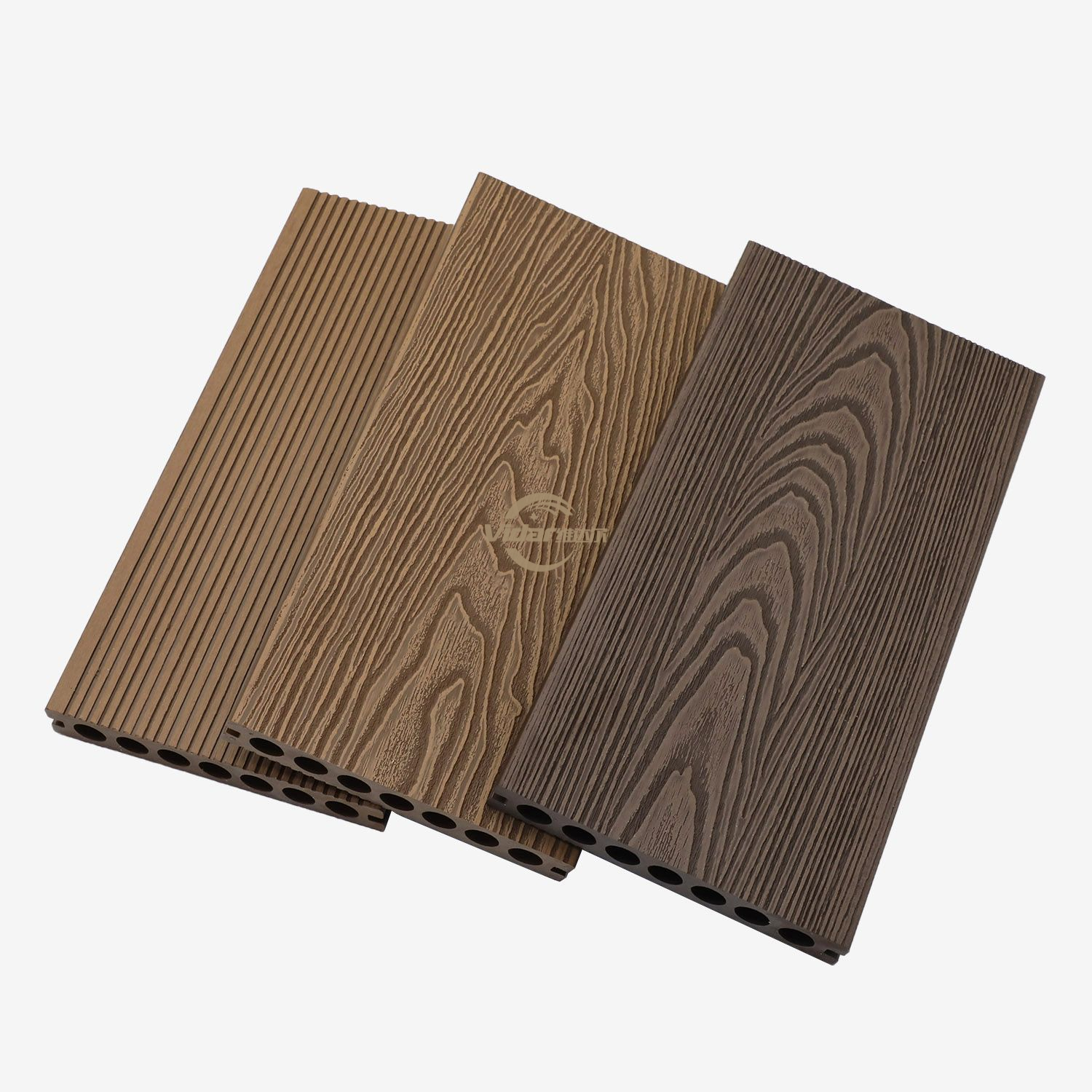
Evaluating your options requires understanding current material science. Pressure-treated wood remains the traditional baseline for outdoor builds. It offers a very low barrier to entry for budget-conscious homeowners. Builders treat this lumber using chemical preservatives to resist rot. However, pressure-treated lumber suffers a rapid degradation curve. It demands strict, continuous maintenance to survive harsh weather. Sun exposure causes the wood fibers to dry out, warp, and split.
The modern upgrade is wood-plastic composite. You will often see this referred to as WPC. It blends recycled wood fibers and advanced polymers. This manufacturing extrusion process creates highly resilient boards. If you want a lasting solution, Composite Decking delivers unmatched durability. These synthetic boards mimic the grain of natural wood minus the inherent flaws. We can look at how specific product features directly translate into tangible homeowner outcomes.
Material Feature Comparison Guide | |
Material Feature | Direct Outcome |
|---|---|
Advanced Polymer Cap | Ensures high moisture resistance and prevents UV fading over decades of sun exposure. |
Dense WPC Core | Blocks insect damage and completely eliminates internal rot caused by standing water. |
Hidden Fasteners | Creates a barefoot-safe surface free of popped screws and hazardous metal edges. |
These innovations drastically alter how we enjoy our outdoor spaces. You no longer need to worry about yearly sealing routines. The polymer cap acts as a protective shield against accidental spills. Red wine or barbecue grease wipes away effortlessly. The dense core provides incredible structural weight. It feels solid underfoot and resists heavy impacts.
Budgeting accurately means looking past the surface boards. A full replacement involves several distinct financial phases. You must prepare for hidden expenses catching many property owners off guard.
Phase 1: Demolition and Disposal
Many homeowners overlook the initial tear-down phase. Removing heavy, rotting timber requires intense manual labor. Contractors must safely dismantle the old structure without damaging your home siding. You must also pay disposal fees for heavy materials. Dumpster rentals and landfill hauling charges quickly add up. Municipalities often charge premium rates for disposing of chemically treated lumber.
Phase 2: Substructure and Framing
You cannot simply lay new boards over old problems. Industry data shows 90% of deck replacements require new framing. You need fresh pressure-treated joists and secure footings. Modern 2026 building codes mandate stricter structural load capacities. They require thicker posts and stronger bracket hardware. Replacing the frame ensures your investment rests on a solid foundation. Skipping this step often voids the warranty covering your new surface materials.
Phase 3: Material and Labor Matrix
We need a realistic comparative framework for budgeting. Premium timber and standard synthetic boards have a noticeable upfront cost ratio. Synthetics generally cost more per square foot initially. High-end wood like cedar or redwood might cost slightly less than standard synthetics. However, composite installation carries a slight labor premium. Installers must use specialized fastening systems. They also need to calculate precise expansion gapping for every single board. We strongly recommend evaluating a premium Composite Decking,WPC decking system alongside traditional wood quotes. This side-by-side comparison highlights your true initial investment. You will notice the upfront gap is smaller than you think when factoring in current lumber market prices.
No building material is entirely flawless. We must objectively address common concerns regarding synthetic upgrades. Understanding these limitations helps you make an informed decision.
Thermal Retention (Heat)
Dense synthetic materials absorb heat in direct sunlight. They retain more heat than light-colored timber. You will notice this during peak summer hours if you walk barefoot. We suggest implementing simple mitigation strategies to improve comfort. Choosing lighter color palettes significantly reduces surface temperatures. Pale grays and tans reflect sunlight away from the surface. You can also seek out advanced cool-deck technology from premium manufacturers. Adding a pergola or outdoor rug also drastically cools high-traffic zones.
Thermal Expansion and Contraction
Composites physically expand in high heat. They contract when temperatures drop during winter months. This physical reality requires expert handling during the build phase. Poor installation leads directly to board buckling and warped edges. Installers must leave correct gaps between board ends. They use specialized clips allowing the material to breathe and shift naturally.
Scratch Visibility
Modern synthetics are virtually rot-proof. However, older or cheaper lines can show surface scratches. Dragging heavy patio furniture leaves visible marks across the grain. Large dogs can also scratch softer boards when running. We recommend evaluating high-density capped options for your project. These advanced lines perform much better in heavy-traffic areas. The outer polymer shell resists gouging and maintains its pristine appearance for decades. Always ask for a sample board to test durability yourself.
Proper planning guarantees a successful backyard transformation. You must adapt standard carpentry practices for synthetic materials. Treating composites exactly like wood leads directly to structural failure.
Joist Spacing Requirements
Standard wood decks often use 16-inch joist spacing. Replacing timber often requires reducing this span significantly. You usually need 12 inches on center for synthetics. This tighter spacing prevents board sagging over time. Heavy composite boards require more underlying support to stay rigid. It is especially critical if you plan a diagonal board layout. A diagonal pattern might even require 8-inch spacing depending on manufacturer guidelines.
Ventilation and Drainage
Proper airflow underneath the structure is non-negotiable. Synthetics require adequate ventilation to perform correctly. Stagnant air allows mold to accumulate on the underside of the boards. Ground moisture must have a clear escape route. You should ensure at least six inches of clearance over bare ground. Meeting these drainage requirements also ensures strict warranty compliance. Failure to provide cross-ventilation will quickly void your coverage.
Vetting Contractors
You need specialized labor for this outdoor upgrade. Finding the right crew is just as important as selecting the right board. Use this checklist to shortlist potential installers:
Ask for their specific experience installing synthetic boards.
Verify their knowledge of proprietary hidden fastener systems.
Request references for projects completed over three years ago.
Confirm they understand manufacturer-specific gapping guidelines.
Check if they offer a distinct workmanship warranty.
An experienced contractor will immediately discuss ventilation and joist spacing during their initial site visit.
Transitioning away from timber in 2026 represents a highly strategic choice. It is less about chasing aesthetic upgrades. Instead, you are eliminating recurring labor and household liability. You gain back your weekends and improve backyard safety for your family. We advise you to finalize your decision carefully. Prioritize your substructure health before selecting your surface materials. A beautiful surface means nothing if it rests on a rotting frame. You must allocate enough budget to rebuild the foundation properly.
Take action to protect your property value today. We prompt you to schedule a structural deck inspection immediately. Have a professional evaluate your existing posts and joists. Request a dual-quote comparing timber against your chosen synthetic alternative. This will reveal the exact financial figures for your specific footprint. Making this choice now ensures a durable, hassle-free outdoor living space for decades to come.
A: You can only do this if existing joists are completely free of rot and structurally sound. They must also adhere to strict manufacturer span requirements. In most decks older than 15 years, you must replace the entire frame to guarantee safety. Reusing an old frame often voids the warranty covering your new synthetic boards. Always have a licensed contractor inspect the substructure first.
A: Well-maintained timber typically lasts 10 to 15 years before needing replacement. Conversely, capped WPC options carry 25-to-50-year structural and fade warranties. You must strictly follow all installation guidelines to maintain these extensive manufacturer guarantees. Proper ventilation and correct joist spacing ensure the material outlasts traditional wood by decades.
A: Yes. Remodeling impact reports consistently show replacement projects offering strong returns on investment. Modern buyers increasingly prefer synthetic materials. They actively view aging wood decks as a pending maintenance liability rather than a valuable home asset. Upgrading to synthetics increases curb appeal and serves as a major selling point in competitive housing markets.