Outdoor spaces have completely evolved over the last decade. They are no longer just basic backyard patios. Today, we treat them as fully integrated, multi-season living areas. You might have high-end design aspirations for your backyard. However, ongoing maintenance and harsh weathering often ruin these dreams. Fading boards and splintered wood cause endless frustration. Buyers are tired of spending their weekends sanding and sealing.
For 2026, decking trends are strictly performance-driven. Buyers now prioritize lifecycle ROI, sustainability, and low-maintenance longevity. This shift makes engineered materials the baseline standard for new builds and renovations. We will explore modern color trajectories, material evaluations, and smart planning tips. You will learn how architectural trends push outdoor designs forward. Armed with these insights, you can make informed, lasting decisions for your property.
Material Dominance: Engineered boards are overtaking traditional timber due to superior lifecycle ROI, despite higher initial material costs.
Design Continuity: 2026 aesthetics favor seamless indoor-to-outdoor transitions using wider planks, matte finishes, and multi-tonal neutral palettes.
Sustainability Baselines: High-quality WPC decking (Wood-Plastic Composite) manufactured from recycled materials is becoming a standard compliance and buyer requirement.
Planning Reality: Project timelines for 2026 require earlier material selection due to specific joist framing requirements and specialized fastener systems associated with modern composites.
Homeowners and commercial builders refuse to accept heavy annualized labor costs. Staining, sealing, and repairing traditional lumber takes too much time. It drains budgets and ruins summer weekends. The industry has reached a breaking point regarding manual upkeep. Property owners now demand smart, passive solutions for outdoor environments.
Modern decks must meet strict success criteria for 2026. They must withstand extreme weather variations, including brutal freeze-thaw cycles. They must require zero annual chemical treatments. Furthermore, they need to maintain visual integrity for over 25 years. These demands push the market away from softwoods entirely. Builders recognize these performance baselines as non-negotiable standards.
Architectural trends also push deck designs further. Decks now function as visual replicas of interior hardwood flooring. This seamless indoor-outdoor extension requires materials resisting fading and scratching. We see a massive shift toward engineered solutions. When you slide open a glass patio door, the floor should flow continuously. High-performance boards make this aesthetic continuity possible.
Keep the deck board direction parallel to your interior flooring. Match the color tone as closely as possible. Ensure the threshold step-down is minimal. This creates an optical illusion of a much larger living space.
Aesthetic preferences have matured significantly. We are moving far away from the glossy, plastic looks of early-generation synthetics. Those older materials often looked cheap and artificial. Advanced Composite Decking now utilizes textured, matte-cap layers. They mimic authentic wood grain perfectly. They cleverly avoid the obvious repeating patterns seen in older models.
Color palettes for 2026 lean heavily into sophisticated, understated tones. You will see specific color families dominating the market:
Cool Neutrals & Greige: These shades align nicely with modern exterior home claddings. They complement concrete, stone, and dark metal accents seamlessly.
Saturated Earth Tones: Rich, warm browns offer a classic appeal. They hide ambient dust easily. They also provide high contrast against contemporary dark-trim homes.
Weathered Grays: These replicate the look of aged teak or cedar. They deliver coastal charm without the accompanying wood rot.
Board dimensions are also evolving rapidly. The rising specification of wide-plank designs (7-inch and wider) is undeniable. Multi-width layouts create bespoke, high-end visual outcomes. You can mix board widths for a highly customized feel. Wider planks mean fewer visible seams across your deck surface. This cleaner look mirrors premium interior oak flooring.
Never choose a color based solely on a digital image. Monitors distort color temperatures significantly. Always order physical samples. Place them outside against your home’s siding. Observe how the shade changes from morning sunlight to evening dusk.
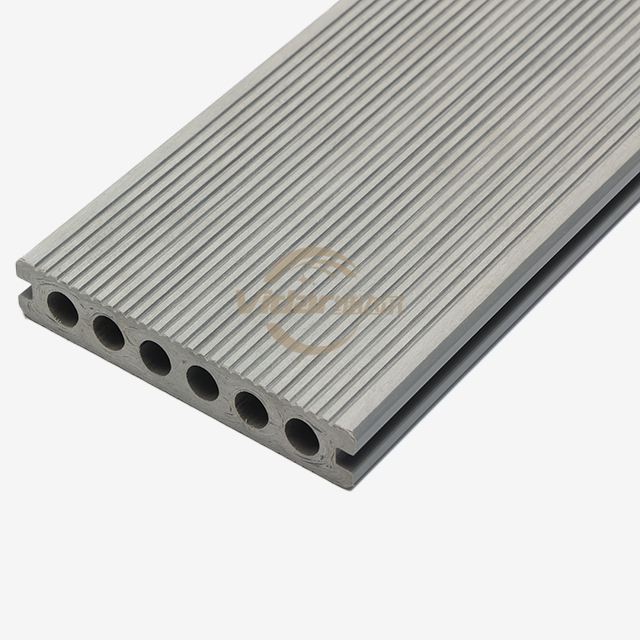
Evaluating materials requires a comprehensive look at initial investment versus long-term returns. Engineered boards typically require a 30% to 50% higher upfront investment compared to pressure-treated pine. However, the financial payback period changes the conversation entirely. ROI crossover typically occurs between years 4 and 6. You save substantial money by eliminating commercial stains, sealants, and ongoing maintenance labor.
Durability standards have skyrocketed for 2026. We now evaluate 25-year to 50-year fade and stain warranties as standard offerings. Resistance to rot is a baseline requirement. Modern deck builds must resist splintering and wood-destroying insects completely. These guarantees provide profound peace of mind for property owners.
The chart below highlights key differences between traditional lumber and modern engineered alternatives. It simplifies the selection process based on 2026 industry standards.
Feature | Traditional Wood (Pine/Cedar) | Engineered Materials |
|---|---|---|
Initial Investment | Lower | Higher (30% - 50% premium) |
Annual Maintenance | High (staining, sealing, sanding) | Low (soap and water cleaning only) |
Lifespan Expectancy | 10 - 15 years | 25 - 50+ years |
Splinter Resistance | Poor (degrades over time) | Excellent (no splinters) |
Warranty Coverage | 1 - 5 years (structural only) | 25 - 50 years (fade, stain, structure) |
When you analyze the lifecycle, wood becomes a luxury you must maintain. Engineered materials become a permanent fixture you simply enjoy. This fundamental difference drives the current market transformation. Builders actively steer clients away from organic lumber for exposed horizontal surfaces.
Understanding board composition helps you make smarter purchasing decisions. Modern Composite Decking,WPC decking combines recycled wood fibers and thermoplastic resins. This fusion creates structurally stable, eco-friendly boards. When evaluating brand claims, always look for verifiable certifications. You want products confirming 80% or more post-consumer or post-industrial recycled content. This sustainability baseline is critical for eco-conscious buyers.
Performance realities dictate how well a deck survives its environment. Early 2000s materials suffered from severe chalking and fading. Modern co-extruded (capped) WPC boards solve this entirely. A protective polymer shell wraps the dense core. This shell acts like a shield against ultraviolet rays and moisture intrusion.
To assess modern WPC standards properly, follow these evaluation steps:
Inspect the Capping Layer: Ensure the protective shell wraps all four sides of the board. This prevents moisture from entering the bottom.
Verify Recycled Content: Ask manufacturers for environmental product declarations. Ensure they utilize diverted landfill plastics.
Check Slip Resistance Ratings: Look for materials meeting commercial slip-resistance standards. Textured matte finishes perform best when wet.
Review Fade Warranties: Confirm the warranty specifically covers color retention, not just structural integrity.
Heat retention mitigation remains a valid discussion point. Dense composites do retain more heat than softwoods. Direct afternoon sunlight warms them up considerably. We must evaluate core technologies designed to dissipate heat. Choosing lighter color profiles also mitigates surface temperatures effectively. If your deck faces south, prioritize cool gray or light tan palettes.
Even the best materials fail if installed improperly. Framing and substructure requirements demand your immediate attention. Placing a 50-year board on a 15-year wood substructure is incredibly risky. The frame will rot long before the surface degrades. We highly recommend evaluating galvanized steel framing for maximum longevity. Alternatively, apply high-quality joist tape over traditional wood. This tape prevents water from resting on top of the joists.
Weight and joist spacing cause frequent installation errors. WPC boards are generally heavier and more flexible than stiff wood planks. You must use 16-inch on-center joist spacing for standard installations. If you install boards at a 45-degree diagonal angle, reduce spacing to 12 inches on-center. This tight structural support prevents future sagging between the joists.
Fastening systems have also undergone a massive evolution. The industry demands a mandatory shift toward hidden fastener systems. They ensure supreme aesthetic integrity by eliminating visible screw heads. More importantly, they prevent surface water penetration. Screwing directly through the board face invites moisture damage over decades. Hidden clips allow boards to expand and contract naturally during temperature swings.
Always ensure your substructure has proper ventilation. Cross-ventilation prevents trapped moisture from warping your joists. Leave adequate gapping between boards during installation. This allows rainwater to drain freely. Never box in a deck completely without adding strategic ventilation grates.
Building a modern deck requires a strategic evaluation framework. You must weigh your budget carefully. Do not just look at initial square footage costs. Look at projected long-term savings over a 10-year span. Eliminating the need for chemical sealants and manual labor offsets the initial premium quickly.
Take actionable next steps today. Order physical samples of engineered boards directly from manufacturers. Test them against your home’s exterior siding. View them in actual daylight across different hours. Finally, request quotes from certified contractors. Choose professionals who explicitly specialize in engineered decking installations. Their specific expertise ensures your investment lasts for decades.
A: Yes. Focus on the 5-year break-even point regarding maintenance costs. You eliminate annual staining, sealing, and repair work completely. This yields significant long-term savings, easily justifying the initial investment for most homeowners.
A: Wood-Plastic Composite blends recycled wood fibers and plastic. It is heavier and feels highly realistic. Cellular PVC is 100% synthetic and lighter. It feels marginally cooler underfoot but is often more expensive than WPC.
A: Legacy materials faded severely. However, modern capped composites undergo a slight, expected color stabilization during the first 12 weeks. Afterward, advanced UV-resistant shells protect them. They are backed by robust multi-decade fade warranties.
A: You must conduct a strict structural assessment first. Check all joists for soft rot. Verify the joist spacing meets modern 16-inch requirements. Emphasize safety and warranty compliance before resurfacing an older frame.