Views: 0 Author: Site Editor Publish Time: 2026-07-12 Origin: Site


Replacing ruined outdoor storage units after harsh winters frustrates homeowners immensely. The endless replacement cycle wastes valuable time and effort. Stormy seasons routinely destroy flimsy structures. They leave your valuable tools completely exposed to the relentless elements. Traditional solutions constantly force buyers into unacceptable functional compromises. Natural wood rots quickly without heavy continuous maintenance. Steel rusts aggressively when exposed to regular moisture. Cheap plastics easily crack and warp under freezing temperatures. These severe material limitations push savvy buyers toward advanced composite alternatives.
This guide evaluates the rigorous engineering behind modern composite materials. We explore their structural performance and practical limitations thoroughly. We examine exactly how these robust structures resist extreme environmental conditions. By understanding the underlying science, you can confidently determine your ideal solution. You will learn if a composite storage unit fits your specific climate profile perfectly.
We expect outdoor storage units to protect valuable equipment completely. Yet, many traditional materials fail spectacularly during harsh weather events. You buy a wooden structure expecting classic backyard aesthetics. Soon, heavy rain and melting snow attack the unprotected timber. The wood absorbs this moisture rapidly. Fungal decay begins breaking down the internal structural integrity. You must sand and paint the exterior manually every single year.
Metal alternatives seem much tougher initially. However, steel structures suffer their own distinct vulnerabilities. Scratches remove protective galvanized coatings almost instantly. Rust forms rapidly along these newly compromised seams. Furthermore, temperature fluctuations cause severe internal condensation. Condensation forms on cold steel walls during early morning hours. This moisture drips directly onto your lawnmowers and gardening tools. It accelerates rust on your expensive stored equipment.
Resin or basic plastic units offer a lightweight alternative. Manufacturers constantly praise their rust-proof nature. But extreme weather quickly reveals their hidden flaws. Ultraviolet rays degrade basic polymers rapidly. The plasticizers evaporate slowly over time. This evaporation leaves the outer shell dry and highly brittle. Deep winter freezes exacerbate this brittleness significantly. A stray thrown baseball can shatter a frozen plastic wall entirely. High winds often uproot these lightweight structures completely.
These common structural failures drive the desperate need for a Durable WPC garden shed. Homeowners require materials built for absolute resilience. They need structures specifically engineered to ignore temperature extremes. Wood-plastic composites eliminate these frustrating compromises effectively. They successfully merge organic strength and synthetic durability.
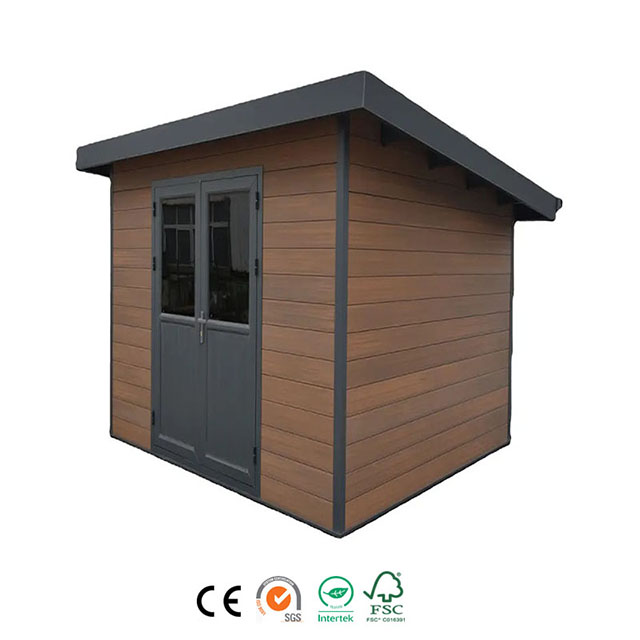
To appreciate why WPC thrives outdoors, we must examine its core composition. WPC stands for Wood-Plastic Composite. Manufacturers blend exact ratios of reclaimed wood flour and high-density thermoplastics. They melt these raw ingredients together under extreme pressure. They push the molten mixture through precision extrusion molds. This advanced process creates an incredibly dense building material.
The internal wood fibers provide essential structural rigidity. They prevent the exterior panels from flexing excessively under pressure. The plastic polymers fully encapsulate every single wood fiber. This complete encapsulation blocks moisture absorption entirely. Termites and wood-boring insects cannot penetrate the dense synthetic barrier. Fungal spores find no damp organic material to consume. The wood turns impervious to traditional natural decay.
We see outstanding performance metrics across various hostile climates. The composite material ignores high humidity levels effortlessly. It shrugs off direct ultraviolet radiation daily. You never need to paint or seal the textured exterior. The rich color permeates the entire panel thickness completely. Scratches barely show because the pigment runs deep.
Let us review how different materials handle common environmental threats objectively.
Below is a chart comparing structural responses to extreme outdoor conditions.
| Material Type | Moisture Resistance | Freezing Temperature Reaction | Wind Stability (Unanchored) |
|---|---|---|---|
| Natural Timber | Low (Rots quickly) | Moderate (Can warp easily) | High (Heavy natural mass) |
| Galvanized Steel | Moderate (Rusts if scratched) | High (Maintains rigid shape) | Moderate (Can bend inward) |
| Standard Resin/Plastic | High (Zero rust) | Low (Becomes highly brittle) | Low (Extremely lightweight) |
| Wood-Plastic Composite | Exceptional (Zero absorption) | High (Retains core flexibility) | High (Dense and heavy) |
Winter weather presents massive challenges for outdoor structures. Snow accumulation creates immense downward pressure consistently. We call this phenomenon static snow load. Heavy snow acts like a giant sponge. It absorbs freezing rain and becomes exponentially heavier. We refer to this specific danger as wet snow load. A poorly designed flat roof will buckle under this immense pressure easily.
Performance in freezing climates depends entirely on smart structural engineering. A proper roof pitch remains absolutely mandatory. Steeply pitched roofs use gravity to your distinct advantage. They force the heavy snow to shed downward automatically. This shedding prevents dangerous ice dams from forming along the delicate eaves.
WPC materials handle sub-zero temperatures beautifully. Standard plastics turn glass-like during hard freezes. WPC panels maintain their micro-flexibility even in deep cold. The wood fibers stabilize the thermoplastic polymers internally. This internal stabilization prevents the material from shattering under direct impact.
To maximize cold weather durability, follow these critical structural guidelines:
Frost heave represents another serious winter threat. Ground moisture freezes and expands upward aggressively. This pushes unevenly against the shed base. WPC materials resist the structural warping caused by these subtle foundation shifts. Their rigid interlocking design distributes the shifting stress evenly across the walls.
High winds destroy unprepared backyard structures routinely. Hurricane-force winds create extreme negative pressure zones. These zones attempt to lift structures directly upward forcefully. We call this dangerous phenomenon aerodynamic uplift. A sudden gale can lift a cheap plastic unit easily. Lightweight resin sheds become giant kites during severe storms.
WPC solves the primary weight issue naturally. The dense composite material is significantly heavier than standard resin. This added mass provides excellent baseline stability against strong gusts. The heavy boards resist upward aerodynamic pull naturally.
However, mass alone cannot defeat true hurricane-force winds. A WPC unit's wind resistance relies heavily on proper installation. You must establish a perfectly level foundation first. Uneven ground creates weak points in the interlocking panel joints. High winds exploit these micro-gaps to rip exterior panels apart.
We strongly recommend pouring a reinforced concrete slab. Concrete provides the most secure anchoring surface available anywhere. It guarantees a perfectly flat base for the heavy structure.
You must utilize heavy-duty anchoring systems always. Do not skip this crucial installation step.
Common mistakes include using inadequate soft metal fasteners. Small wood screws will tear out during violent storms. Always use the manufacturer-recommended heavy-duty hardware. This ensures your structure remains firmly planted during severe gales.
Water intrusion ruins stored electrical equipment rapidly. You need absolute confidence in your weatherproofing capabilities. WPC excels at keeping interior spaces completely dry. The extruded panels feature precise tongue-and-groove engineering. They interlock tightly during the initial assembly process.
Many cheap alternatives rely heavily on silicone caulking. Installers must apply this messy caulk around every single seam. Sunlight eventually dries this caulk out entirely. It shrinks, cracks, and falls away uselessly. Water freely enters the structure during the very next storm.
WPC eliminates messy silicone caulking completely. The precise factory-milled edges overlap seamlessly. They create a strong mechanical barrier against driving rain. Water physically cannot navigate upward through the tight interlocking joints. The thick composite material absorbs zero moisture. It functions flawlessly as a heavy-duty Waterproof outdoor shed.
However, a waterproof exterior presents a different challenge internally. A fully sealed room traps humid air inside effectively. Temperature drops at night cause this trapped humidity to condense. Proper ventilation solves this internal condensation issue completely. High-quality WPC units feature built-in gable vents. These vents allow cross-breeze airflow without letting rain enter. The constant air circulation keeps your stored tools perfectly dry.
Let us look at practical outdoor applications. Imagine placing a storage unit in a harsh coastal environment. Saltwater spray aggressively corrodes traditional steel buildings. The salt breeze strips protective paint from wooden structures rapidly. Yet, a WPC structure remains completely unaffected. The synthetic polymers ignore the corrosive salt perfectly.
Consider the daily challenges of heavily wooded properties. Trees drop sap, wet leaves, and aggressive pollen constantly. These organic materials stain typical vinyl siding permanently. They cause aggressive moss growth on standard timber walls. WPC surfaces repel these sticky substances effortlessly. You wipe the exterior clean using a simple damp cloth.
In desert climates, the sun acts as a relentless enemy. The intense heat warps thin resin walls outward. High-quality WPC features integrated UV inhibitors. These chemical additives protect the pigment from severe sun damage.
If you want the ultimate backyard storage solution, consider a dedicated WPC garden shed. It delivers structural peace of mind across all four distinct seasons.
To guarantee this structural longevity, avoid common installation errors. Never build directly on bare grass or loose dirt. Always leave adequate clearance around the exterior walls. This clearance ensures proper airflow and easy visual inspection access. Keep large tree branches trimmed safely away from the roof panels.
Extreme weather demands highly engineered outdoor storage solutions. Traditional wood, steel, and cheap plastic force you into constant functional compromises. They eventually succumb to rot, rust, or brittle fracturing. Wood-plastic composites eliminate these severe material vulnerabilities completely. They offer unmatched durability by combining organic rigidity with synthetic weatherproofing.
Here are your action-oriented next steps:
You now understand the complex science behind composite durability. You recognize exactly why foundation leveling dictates extreme wind resistance. Take the essential time to plan your installation properly. Choose a composite solution to secure your outdoor equipment permanently.
A: Yes, they perform exceptionally well in high-wind zones. However, the material's heavy mass is not enough alone. You must anchor the structure firmly to a reinforced concrete pad. Using heavy-duty steel expansion bolts ensures maximum hurricane resistance.
A: High-quality composites include advanced UV inhibitors mixed directly into the polymer. This prevents the severe bleaching seen in standard plastics. You might notice very slight color settling initially. Afterward, the exterior color remains highly stable for decades.
A: Maintenance requires almost zero effort. Simply use a standard garden hose and a soft bristle brush. Mild soapy water easily removes dried mud or bird droppings. Never use harsh abrasive chemicals or high-pressure commercial power washers.
A: WPC panels are naturally thicker than thin metal walls. They offer slightly better baseline temperature regulation. However, they are not fully insulated living spaces. If storing highly temperature-sensitive liquids, you should add supplemental foam board insulation internally.