Views: 0 Author: Site Editor Publish Time: 2026-07-05 Origin: Site


Commercial and residential landscape design shares a recurring and frustrating challenge. Property managers and homeowners constantly struggle to find outdoor planters capable of surviving harsh seasonal cycles without requiring constant replacement. Traditional materials typically force a frustrating compromise upon the buyer. You usually have to choose between appealing aesthetics, long-lasting durability, and reasonable maintenance needs. Natural wood inevitably rots when exposed to wet soil. Terracotta cracks under intense frost pressure. Standard plastic containers quickly fade and turn brittle under harsh summer sunlight.
Fortunately, modern material science offers a highly effective solution to this landscaping dilemma. The wood-plastic composite container emerges as an engineered alternative tailored for demanding environments. It successfully bridges the critical gap between an organic, natural appearance and commercial-grade weather resistance. In this comprehensive guide, you will learn exactly how these composite containers outperform older options. We will thoroughly explore their core capabilities, environmental benefits, and practical installation requirements. You will also discover the essential factors needed to evaluate suppliers for your next major outdoor project.
Many garden enthusiasts gravitate toward familiar materials without recognizing their long-term drawbacks. Understanding these inherent flaws helps you make better purchasing decisions.
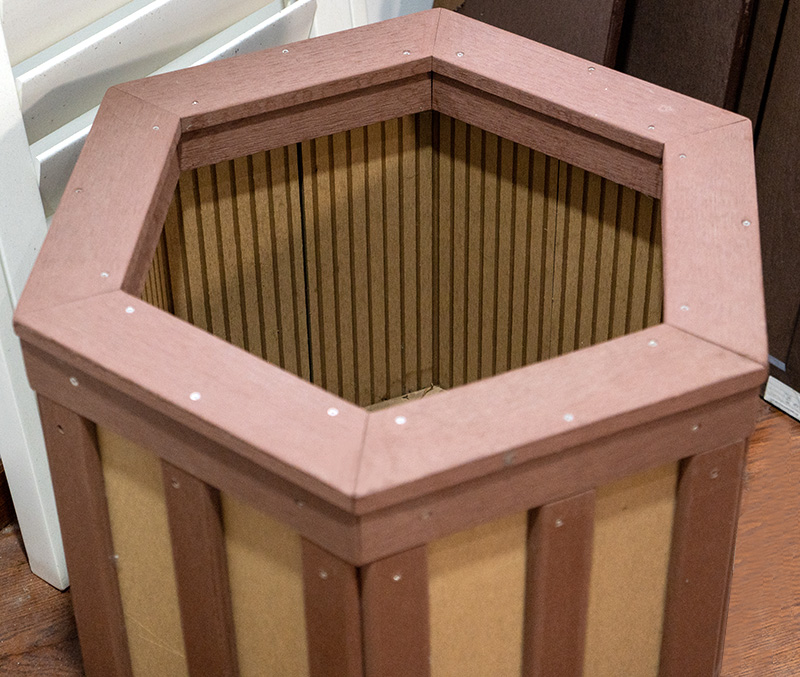
A premium Weatherproof WPC planter relies on advanced extrusion technology. It directly solves the structural issues inherent in older gardening containers. Let us examine the primary technical capabilities defining this material.
Manufacturers blend recycled plastics and reclaimed wood fibers to create composites. During the high-heat manufacturing process, the polymer matrix completely encapsulates the organic wood fibers. This precise engineering feat renders the final material highly hydrophobic. It repels water continuously. Consequently, the non-porous walls actively prevent mold and mildew growth. You never have to worry about dangerous root-rot transmission spreading from decaying planter sides into your expensive plants.
Composite planters boast an incredibly wide operational temperature range. High-grade polymer blends include dedicated UV inhibitors formulated specifically for outdoor exposure. These chemical additives prevent the rapid plasticization and surface cracking seen in cheaper alternatives. They simply will not warp during intense summer heatwaves.
Trust Anchor: We must acknowledge realistic aesthetic changes to set proper expectations. A new composite container experiences a slight, expected color settling period. It typically lightens by 10% to 15% during its first twelve weeks of direct sun exposure. After this initial adjustment phase, the protective surface locks in and the color permanently stabilizes.
Large decorative shrubs and small fruit trees require massive soil volumes to thrive. Saturated soil becomes incredibly heavy after heavy rainfall. Composite materials provide immense tensile strength to handle this internal pressure. They support massive, wet root systems easily. The robust walls resist bowing outward and show absolutely no signs of structural fatigue over decades of continuous use.
How does a modern WPC flower pot truly compare against the traditional staples? We must look beyond initial visual appeal to understand the functional differences.
From an aesthetic standpoint, composite matches natural timber exceptionally well. It successfully mimics the organic grain and rough tactile feel of real wood species. However, the maintenance requirements differ drastically. You have absolutely zero need for annual sanding, harsh chemical painting, or toxic waterproofing. Because it entirely resists biological decay and insect attacks, composite typically outlasts untreated wood by a factor of three to one.
Pure plastic containers lack sufficient mass and density. Composite is much denser and heavier than injection-molded plastic. This extra physical weight provides vital ground stability. It actively prevents tall plants from tipping over in high-wind outdoor environments. Visually, composite effectively avoids the glossy, artificial sheen common to standard plastics. Its premium matte finish fits perfectly into high-end, professional landscape architecture.
Planter Material Comparison Matrix
| Feature | Wood-Plastic Composite | Natural Untreated Wood | Standard Plastic |
|---|---|---|---|
| Visual Appeal | Matte, natural wood grain texture | Authentic, organic appearance | Glossy, artificial sheen |
| Maintenance Needs | Wash with soap and water | Annual sanding and sealing | Wipe down, replace often |
| Rot & Pest Resistance | Complete immunity | Highly vulnerable | Immune |
| Wind Stability | Excellent (Dense and heavy) | Good (Moderate weight) | Poor (Prone to tipping) |
Many brands aggressively market the Eco-friendly WPC flower pot to environmentally conscious buyers. We must rigorously verify these sustainability claims to ensure they meet modern green building standards.
The standard material ratio clearly reveals its eco-friendly nature. Most commercial blends contain 50% to 60% recycled wood fibers or industrial sawdust. Manufacturers mix this organic base with 30% to 40% recycled high-density polyethylene (HDPE) or polypropylene (PP). The remaining fraction consists of safe bonding agents and color pigments. This manufacturing process actively diverts massive amounts of plastic waste from landfills. It also prevents further global deforestation by utilizing existing timber industry byproducts rather than harvesting new trees.
Composite containers are notoriously durable. Yet, they do not remain a burden on the environment forever. Reputable composite manufacturers produce fully recyclable products. Once a planter finally reaches the end of its functional life, specialized facilities can grind it down. They melt the pulverized materials to create entirely new composite items. This closed-loop system represents a major leap forward in sustainable garden design.
Pressure-treated lumber often leaches toxic preservative chemicals into the surrounding soil over time. Commercial-grade composite materials avoid this dangerous issue completely. They do not leach harmful heavy metals or toxic substances into damp soil. This chemical stability makes them perfectly safe for organic vegetable gardening. They also provide an incredibly secure, clean environment for sensitive decorative plants.
Understanding field implementation realities helps you maximize your product lifespan. Follow these specific technical guidelines before setting up your new containers.
Common Mistake: Many users mistakenly assume composite walls breathe like porous terracotta.
Because composite materials are strictly non-porous, active bottom drainage is absolutely mandatory. Instruct your buyers and installation teams to check for pre-drilled bottom holes. If holes are missing, you can easily drill them using a standard wood bit without compromising structural integrity. You must always line the bottom interior layer with coarse gravel or specialized drainage matting. This crucial step ensures proper water escape and facilitates vital oxygen flow to the lower roots.
Never underestimate the final installed weight of these planters. The dense composite material itself is quite heavy. Once you add saturated potting soil and mature, watered plants, they become very difficult to relocate. We strongly recommend finalizing your exact garden placement before adding any soil. This logistical planning matters especially on rooftop gardens, wooden decks, or suspended balconies where strict structural load limits apply.
Keep your seasonal maintenance protocol realistic and highly simple. You only need to wash the exterior using a standard garden hose. Mild dish soap easily removes surface dirt, pollen, and bird droppings.
What to watch out for: Avoid harsh chemical solvents or bleach entirely. Never use high-PSI commercial pressure washers. Intense, concentrated pressure streams could permanently damage the protective wood-fiber surface texture.
Selecting the right manufacturing partner ensures long-term project success. You should rigorously evaluate potential suppliers based on three strict industry criteria.
Choosing a reliable composite container serves as a highly strategic decision for any outdoor space. It heavily benefits property owners prioritizing long-term aesthetic stability and robust durability. You secure incredibly low daily maintenance requirements while actively supporting environmentally sustainable manufacturing practices.
Take specific action today to elevate your next landscape project. Contact leading industry suppliers to request physical material samples for visual inspection. Review their technical specification sheets carefully to verify sufficient wall thickness and internal bracing. Finally, map out your seasonal planting requirements to ensure accurate sizing, proper drainage setups, and safe placement planning.
A: Yes. Their extremely low moisture absorption rate actively prevents water from seeping into the container walls. This eliminates the violent expansion and contraction damage, commonly known as frost cracking, which frequently destroys traditional clay and concrete pots during harsh winters.
A: No. Manufacturers pre-pigment the composite material directly during the thermal extrusion process. The rich color runs evenly throughout the entire product. Consequently, it requires absolutely no sealing, chemical staining, or annual painting to maintain its visual appeal over time.
A: Yes. You can safely grow edibles provided the manufacturer uses untreated recycled wood and food-safe plastics like HDPE. You should always verify the complete absence of toxic binding chemicals directly with your chosen supplier before starting an organic vegetable garden.