Views: 0 Author: Site Editor Publish Time: 2026-07-09 Origin: Site


Traditional outdoor storage often forces buyers into frustrating compromises. Wooden structures require relentless maintenance and eventually rot away. Metal alternatives inevitably rust and dent. Standard plastic units frequently turn brittle and crack under harsh ultraviolet exposure. Wood-Plastic Composite (WPC) emerges as a highly engineered alternative. It specifically aims to bridge the gap between organic aesthetics and heavy-duty synthetic durability. This material explicitly targets the environmental degradation problems inherent in older shed designs.
However, buyers must approach this structural upgrade objectively. You must carefully weigh the higher initial cost and strict foundation requirements against long-term maintenance savings. In this comprehensive guide, we evaluate the material science behind composite storage units. You will discover how modern extrusion methods drastically enhance weather resistance. Finally, we provide actionable steps to help you determine if this premium structure securely fits your property layout and specific utility needs.
Understanding composite materials requires a brief look at industrial manufacturing. Manufacturers create WPC by blending recycled wood fibers with high-density thermoplastics. These plastics typically include high-density polyethylene (HDPE) or polyvinyl chloride (PVC). The wood fibers provide structural rigidity and natural surface texture. Meanwhile, the synthetic plastics encapsulate these organic fibers to deliver supreme moisture and weather resistance. This precise ratio prevents the swelling and warping commonly seen in natural lumber.
First-generation composite boards offered significant improvements over plain wood. However, they lacked comprehensive surface protection. Modern manufacturing introduces advanced shielding techniques. A modern Co-extrusion WPC garden shed features a specialized manufacturing process. Extruders apply a secondary 360-degree protective polymer shell over the composite core. This impermeable outer layer prevents moisture absorption, color fading, and mildew buildup. The shield permanently locks the core material away from harsh external elements.
Dense composite panels carry substantial physical weight. To manage this load, high-quality composite sheds utilize an underlying framework. You will typically find heavy-duty aluminum or galvanized steel skeletons supporting the walls and roof. This metal framework absorbs wind loads and prevents the composite panels from sagging. It ensures the structure remains completely rigid throughout changing seasons.
Composite structures solve several recurring property challenges. They excel in environments where traditional materials quickly fail.
Extreme weather destroys basic storage solutions. WPC performs exceptionally well across diverse climate zones. Summer ultraviolet radiation normally degrades pure resin, but WPC maintains structural integrity and color stability. During winter, the composite matrix prevents frost heave damage. The panels refuse to split, blister, or rust regardless of ambient humidity levels. This resilience makes an Outdoor WPC storage shed a permanent fixture rather than a temporary fix.
Property value preservation matters. Many Homeowner Associations (HOAs) enforce strict visual guidelines. They frequently prohibit visually jarring metal units or cheap plastic sheds. Composite panels closely mimic natural wood grain and architectural siding. This premium appearance integrates flawlessly seamlessly into upscale landscape designs. It delivers compliance alongside robust utility.
Composite units move far beyond basic hand tool storage. The enhanced structural rigidity supports heavy-duty applications. Homeowners regularly house heavy riding mowers and complex pool equipment inside them. Because the material provides better insulation than metal, these units also function excellently as weather-sealed garden workshops. Users can comfortably operate small machinery inside without severe temperature fluctuations.
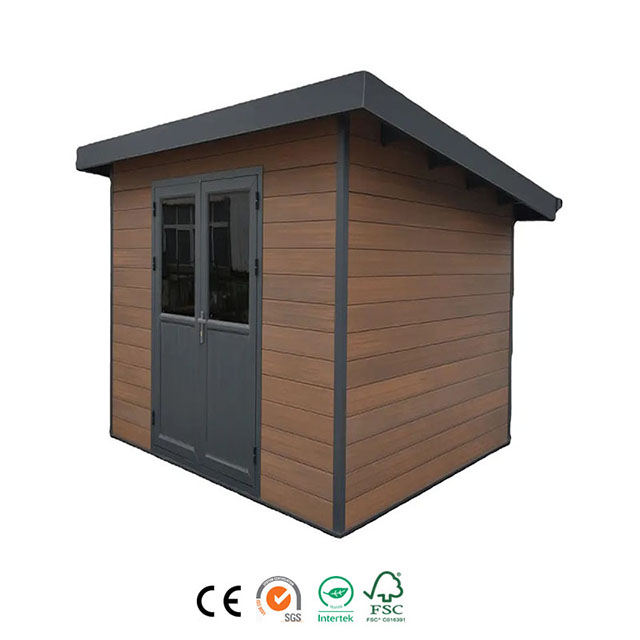
Evaluating your storage options requires direct material comparisons. Each synthetic or natural option presents distinct operational behaviors.
Standard resin units cost less and weigh less. These lightweight panels allow for rapid weekend assembly. However, resin lacks substantial wind-load ratings. A strong storm can easily warp or dismantle a cheap plastic unit. WPC offers vastly superior structural rigidity. The dense composite material also provides notable sound insulation. Rain impact noise drops significantly inside a composite structure compared to thin plastic shells.
Wooden sheds demand relentless upkeep. Owners must treat, stain, and seal the lumber biennially. You must constantly check for dry rot and termite infestations. A standard WPC garden shed entirely eliminates these chemical maintenance workflows. The composite blend repels wood-boring insects organically. You never need to purchase hazardous sealants or spend weekends repainting peeling trim.
Metal sheds struggle aggressively with internal climate control. Thin metal walls absorb heat rapidly during summer afternoons. In colder months, they suffer from severe internal condensation. Water droplets form on the ceiling and drip onto your valuable equipment. WPC provides much better thermal stability. This intrinsic insulation reduces moisture accumulation, aggressively protecting your stored tools, electronics, and fertilizers from water damage.
The chart below summarizes how composite materials stack up against traditional options across critical performance metrics.
| Material Type | Structural Rigidity | Thermal Stability | Maintenance Level | Rot & Rust Resistance |
|---|---|---|---|---|
| Wood-Plastic Composite (WPC) | High | High | Zero (Wash only) | Excellent |
| Treated Wood | High | Moderate | High (Stain/Paint) | Poor to Moderate |
| Galvanized Metal | Moderate | Low (Condensation) | Low | Moderate (Prone to rust) |
| Standard Resin/Plastic | Low | Moderate | Zero | Excellent |
Successful installation relies entirely on careful preparation. You must acknowledge the physical demands of composite materials before purchasing.
This represents the most critical factor for structural longevity. Composite panels are exceptionally heavy and highly rigid. You must build the shed on a perfectly flat, level base. Suitable foundations include a poured concrete slab, heavy paving slabs, or a heavily reinforced timber frame. If the base dips even slightly, the heavy panels will experience sheer stress. Uneven bases inevitably cause door alignment failures and joint separation over time.
Do not underestimate the physical logistics. WPC wall sections weigh significantly more than hollow resin panels. Assembly is strictly a two-person job. You will need standard power tools, step ladders, and careful attention to instructions. Installers must precisely respect the manufacturer's specified expansion gaps. The material slightly expands and contracts across distinct temperature shifts.
Transparency helps buyers make informed decisions. Keep the following limitations in mind:
Choosing the right model involves careful calculation. You must align the product specifications with your geographical demands.
External dimensions do not equal internal capacity. WPC walls are considerably thicker than single-sheet metal walls. Always calculate the internal usable footprint. Ensure you account for door swing clearances. Measure your bulkiest items, like riding mowers or workbenches, to confirm they will easily pass through the doorway threshold.
Thoroughly inspect the engineering specifications. Not all composite structures offer identical load bearings. You must check several critical data points before finalizing a purchase.
Scrutinize the warranty terms provided by the manufacturer. You should look for comprehensive 10-to-15-year guarantees. Read the fine print to ensure the warranty explicitly covers structural integrity and colorfastness. Co-extruded models generally feature longer warranties due to their enhanced polymer shielding.
A composite storage shed serves as a permanent, high-yield property upgrade. It heavily rewards owners who prioritize premium aesthetics and zero-maintenance durability over the lowest initial retail price. By blending synthetic resilience with natural wood textures, it solves the recurring issues of rot, rust, and ultraviolet degradation.
Your immediate next step requires precise measurement. Accurately measure your available yard space. Check your local municipal guidelines or HOA regulations regarding maximum shed heights and allowable footprints. Finally, secure a reputable contractor—or prepare your own materials—to install a perfectly level concrete base before you initiate your purchase.
A: No. Color pigments distribute evenly throughout the composite material during manufacturing. You do not need to paint, stain, or treat it. In fact, painting is strongly discouraged. Standard exterior paints struggle to adhere properly to the synthetic polymers. Painting a composite unit frequently voids the manufacturer warranty and inevitably leads to unsightly peeling.
A: A high-quality co-extruded unit typically lasts 15 to 25 years or more. Longevity heavily depends on proper initial assembly. A strictly level base prevents structural warping. The protective polymer shield effectively blocks moisture and UV damage, ensuring the panels remain structurally sound for decades under normal weather exposure.
A: You must respect structural limits. You can securely hang lightweight items using specialized composite wall anchors. However, you should never mount heavy shelving directly onto composite panels. Heavy loads will pull the screws out over time. Always attach heavy shelving directly into the internal aluminum frame, or use freestanding shelving units instead.
A: The composite panels themselves are completely water-resistant and will not absorb moisture. However, the total waterproofness of the structure depends entirely on your assembly execution. You must properly caulk all specified floor joints, align the roof overlap perfectly, and ensure the foundation prevents ground-water pooling around the base track.