Views: 0 Author: Site Editor Publish Time: 2026-07-10 Origin: Site


Traditional wooden sheds hold a classic charm in many backyards worldwide. However, their high vulnerability to rot, persistent pests, and harsh weather constantly frustrates busy homeowners. This growing frustration naturally drives many property buyers toward modern, highly engineered composite alternatives.
Wood-Plastic Composite (WPC) directly promises the beautiful aesthetic of natural timber without the relentless, exhausting upkeep. Choosing between these two distinct materials requires understanding their unique physical properties and structural demands. Many property owners frequently struggle to weigh the long-term durability benefits against immediate project installation needs. They need clear data to justify their outdoor investments.
This comprehensive guide provides an objective, evidence-based comparison of WPC and traditional wood across core durability metrics and installation requirements. You will discover exactly how each material performs under extreme environmental stress and daily use. Ultimately, we aim to help you confidently choose the right material for your long-term backyard storage needs.
Traditional timber buildings mostly rely on treated softwoods. Pine and spruce dominate the garden building market heavily. Manufacturers typically construct these units using shiplap, overlap, or tongue-and-groove techniques. These traditional methods allow natural breathability. Wood is inherently porous by nature. It continually absorbs and releases ambient moisture from the air.
Natural wood features cellular structures designed to move water. Even after kiln-drying, these microscopic cells remain fully intact. When ambient humidity rises, the cells pull moisture directly from the air. This biological action causes microscopic panel swelling. Over several years, this endless expansion and contraction weakens the nails and screws holding the panels together.
Conversely, manufacturers engineer WPC using a precise chemical blend. They combine recycled wood fibers and advanced thermoplastics. The extrusion process heats and compresses these raw elements together under extreme pressure. High-density polyethylene (HDPE) serves as a popular bonding agent for this process. The heated plastic completely coats every single wood particle. Once cooled, the resulting panel contains zero active cellular pathways. Water simply cannot penetrate the hard surface.
These contrasting compositions yield vastly different structural outcomes. WPC delivers incredible uniform strength across every single panel. It lacks natural weak points like knots, sap pockets, or split grains. You get a predictable, stable wall section every time. Wood offers better structural flexibility during the initial assembly phase. However, it degrades gradually over time. Repeated exposure to heavy rain breaks down its internal cellular structure permanently.
Structural Properties Comparison| Feature | Traditional Timber | Wood-Plastic Composite |
|---|---|---|
| Core Components | Natural softwood fibers | Reclaimed sawdust and polymers |
| Porosity Level | High | Near zero |
| Consistency | Variable (knots present) | Highly uniform |
| Biological Vulnerability | High (rot and insects) | None |
Traditional timber demands strict and unforgiving maintenance routines. You must apply heavy chemical treatments immediately upon installation. Afterward, you face repetitive annual or biennial sealing tasks. Homeowners must stain the exterior repeatedly. This vital step prevents dry rot, active fungal decay, and aggressive UV graying.
Think about the biological reality of wood rot. Fungal spores exist everywhere in your backyard soil. They only need three basic things to thrive. They need oxygen, a food source, and constant moisture. Wood provides the organic food source natively. Seasonal rain provides the essential moisture. Once the spores settle on damp timber, aggressive rot begins rapidly. Chemical treatments attempt to poison the wood temporarily. The rain eventually washes these protective chemicals away.
A modern Weatherproof WPC garden shed repels water by deliberate design. The polymer encapsulation completely seals the organic wood fibers. It does not absorb standing moisture at all. WPC starves the fungi completely. The plastic resin offers absolutely zero nutritional value to spores. The non-porous surface denies them essential moisture. You eliminate two of the three mandatory requirements for rot. You will not experience panel swelling during wet winters. You will not see dramatic shrinking during dry summers.
When comparing ongoing domestic tasks, composite materials win easily. WPC operates as a genuine Low-maintenance garden shed. You only need occasional surface washing. A simple bucket of warm soapy water works perfectly. You sweep off the accumulated surface dirt. You rinse it down quickly using a standard garden hose. The entire cleaning process takes fifteen minutes annually. You never need toxic preservatives or expensive exterior stains.
We must address a transparent reality regarding composite material behavior. WPC resists UV radiation extremely well overall. However, minor color fading can occur initially. Direct sunlight causes a slight aesthetic shift during the first few months. The pigment stabilizes permanently after this short outdoor curing period. Unlike aging timber, composite panels will never splinter, flake, or crack.
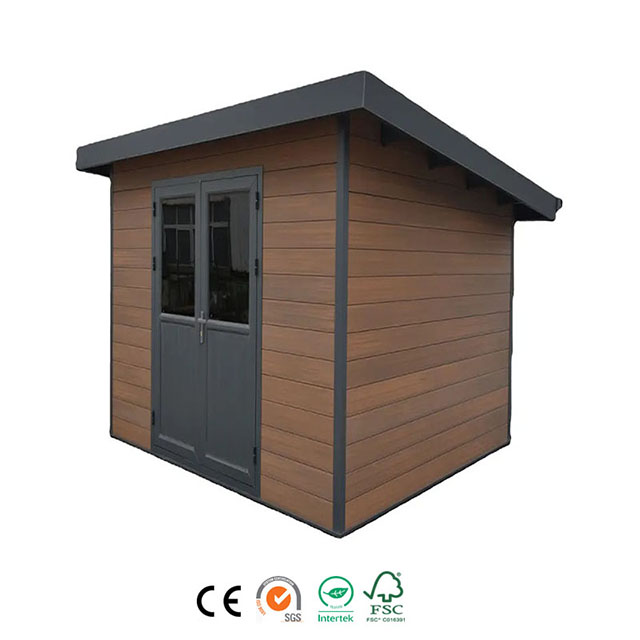
Every successful garden building requires a fundamentally solid base. However, foundation requirements differ drastically between these two materials. This remains a crucial risk factor for unprepared buyers.
Wood structures remain remarkably forgiving during assembly. You can often shim the wooden floor bearers safely. A slightly off-level base rarely ruins a timber build. The natural flexibility of the wood absorbs minor ground imperfections.
WPC structures remain entirely unforgiving regarding foundation leveling. The interlocking panels utilize heavily engineered factory tolerances. They remain extremely rigid once locked firmly together. A perfectly level concrete slab is absolutely non-negotiable. Heavy-duty reinforced plastic eco-grids also provide adequate support. An uneven base causes immediate door misalignment. It creates severe long-term stress across the interlocking wall panels.
Let us examine the mandatory foundation pouring process. Preparing a concrete slab requires significant physical effort. You must excavate the topsoil perfectly flat. You must build sturdy wooden formwork to hold the slurry. You then pour and manually level the wet concrete. You must wait several days for it to cure fully. This preparation represents a major undertaking.
If you choose plastic eco-grids, the process changes slightly but requires equal precision. You still must excavate the ground flat. You lay down a heavy-duty weed membrane. You add a thick layer of compacted sharp sand. You place the interlocking grids directly on the sand. Finally, you fill the open grids heavily with pea gravel. Both foundation methods achieve the mandatory level surface.
The assembly experience also differs significantly. Composite sheds often utilize modern slide-and-lock mechanisms. They require far fewer specialized hand tools. However, you absolutely need two capable people. The heavy density of composite panels makes solo lifting dangerous. During assembly, composite panels slide neatly into specialized aluminum corner posts. You do not need to measure panel overlaps manually. The factory cuts everything to precise tolerances. However, alignment remains critical. If your base dips by just one inch, the heavy roof panels will not align. The vital screw holes will miss their designated structural targets.
Wood demands traditional and intensive carpentry skills. You will spend hours drilling pilot holes. You must measure the roof trusses carefully. You must also cut and nail the asphalt roofing felt manually.
Visual aesthetics play a huge role in overall backyard design. Wood provides ultimate aesthetic flexibility. You can repaint a timber exterior any vibrant color. It easily matches shifting seasonal garden trends. You can change its entire personality in one afternoon. WPC color remains strictly permanent. You must choose your initial exterior color carefully.
Interior modifications present another major divergence between materials. Consider what you actually plan to store inside. Many people store heavy gardening machinery safely. Lawnmowers and tillers take up valuable floor space. You might want to hang your heavy mountain bicycles on the wall.
In a wooden structure, you buy heavy-duty steel hooks. You locate the internal vertical timber studs easily. You drive thick lag screws directly into the solid wood. The framework holds the heavy weight effortlessly. You can staple thick insulation batts anywhere on the wooden frame. Adding heavy shelving systems feels incredibly simple.
WPC actively resists direct drilling. Puncturing the outer panels compromises their engineered structural integrity. It permanently ruins the vital weatherproof sealing around the drilled hole. Water will find that weak hole during a severe rainstorm. WPC wall panels cannot support hanging weight independently. They are relatively thin by design to save weight during shipping. Their immense strength comes from the interlocking geometry, not pure panel thickness.
You cannot simply bolt custom workbenches to the composite walls. You must use freestanding metal shelving units instead. Place these sturdy racks against the walls carefully. This protects the composite shell perfectly while maximizing vertical storage. Some progressive manufacturers provide specific hanging bracket systems. These clever brackets clip into the internal aluminum framework safely without drilling.
Both materials offer robust baseline security against theft. Burglars target backyard outbuildings frequently. Heavy-duty WPC panels resist high-impact blows effortlessly. Intruders cannot easily pry the tight interlocking joints apart. Security hinges matter deeply here. Wooden doors often feature cheap exposed hinges. Thieves can unscrew them quickly from the outside. Premium composite structures feature integrated, hidden hinge mechanisms. You cannot access the mounting hardware when the solid doors are closed. A heavy composite structure provides superior peace of mind for storing valuable power tools.
Choosing the right material requires honest, pragmatic self-assessment. We created a simple criteria framework to guide your final purchasing decision.
Think carefully about your available free time. The Avid DIYer loves spending warm spring weekends upgrading their property. Painting a timber shed brings them immense joy. The traditional timber option fits this energetic personality perfectly. It provides a rewarding, ongoing hobby project.
Conversely, consider the Busy Professional. They want a highly functional storage solution immediately. They do not want to spend their limited weekends holding a wet paintbrush. They need their valuable tools protected from the rain reliably. The composite option serves this demanding lifestyle flawlessly.
Shortlisting Criteria for Traditional Wood:
Shortlisting Criteria for a WPC garden shed:
Furthermore, assess your local geographic climate data accurately. Do you live near the ocean? Saltwater air degrades traditional protective treatments quickly. Coastal property owners spend excessive money fighting rot constantly. WPC ignores corrosive salt spray entirely. Do you live in an arid, exceptionally dry climate? Timber performs much better here. The complete lack of ambient moisture prevents rot naturally. You can stretch the maintenance intervals safely.
While traditional wooden sheds offer classic charm, they possess undeniable limitations. They provide excellent structural flexibility and a much lower entry price point. However, they ultimately demand ongoing physical labor and constant weatherproofing tasks. A composite alternative requires a notably stricter foundation preparation process. It asks for intense precision before assembly begins. Yet, it repays that demanding effort through unmatched everyday durability. You gain back your precious weekends through true zero-maintenance longevity.
Evaluate your backyard foundation capabilities carefully today. Map out your long-term storage expectations honestly. Decide if the immediate upgrade to composite makes practical sense for your property.
A: Yes. You must use a perfectly level concrete slab or a highly stabilized eco-grid foundation. WPC panels are heavily engineered and rigid. They cannot tolerate uneven ground settling. An improper foundation causes the interlocking joints to experience severe stress. This rapidly leads to warped walls and misaligned doors. You cannot shim WPC structures safely to correct bad ground.
A: It is technically possible using highly specialized composite primers and paints. However, industry experts highly discourage this practice. Painting entirely defeats the core low-maintenance purpose of the composite material. The factory-finished surface resists peeling and fading naturally. Adding decorative paint introduces an unnecessary, recurring exterior maintenance cycle.
A: Yes. Manufacturers create them utilizing post-consumer recycled plastics and reclaimed industrial wood fibers. This closed-loop process actively prevents these scrap materials from entering local landfills. Furthermore, composite panels do not leach harsh chemical treatments, sealants, or toxic wood preservatives into your precious garden soil over time.
A: They can absorb significant solar heat during peak daylight hours. Fortunately, most premium WPC models include built-in passive ventilation systems near the roofline. These essential vents regulate the internal temperature efficiently. They also prevent trapped humidity and interior condensation, keeping your stored items completely safe and dry.