Views: 0 Author: Site Editor Publish Time: 2026-07-11 Origin: Site


Protecting high-value landscaping equipment, power tools, and outdoor gear requires more than just a waterproof roof. Fluctuating humidity, relentless pests, and material degradation often compromise traditional wooden or metal structures. You might open the doors in spring only to discover rusted batteries, ruined metal components, and rotting wall panels. Wood-Plastic Composite (WPC) serves as the modern, low-maintenance hybrid alternative. It effectively bridges the gap between the aesthetic appeal of natural wood and the weatherproof resilience of high-grade resin. Yet, selecting the right unit demands strategic planning. We provide a strict, objective evaluation framework to help homeowners choose the exact size, structural configuration, and optimal yard placement. You will learn how to build your ideal storage setup efficiently. Our guidelines ensure you secure your expensive gear without overspending on unnecessary features or underestimating crucial site preparation steps.
You must evaluate the raw material performance before making a permanent yard upgrade. A WPC garden shed combines recycled wood fibers and durable thermoplastic polymers. This specific chemical blend yields incredible structural longevity. You avoid the constant maintenance traps associated with older materials.
Moisture and rust prevention stand out as primary material benefits. The plastic polymer binders completely encapsulate the wood fibers, sealing out ambient moisture. This creates a highly stabilized internal microclimate. If you store expensive metal table saws, drill presses, or adult bicycles, controlling internal humidity remains crucial. Thin metal sheds often condensate inside when temperatures shift. They drip water directly onto your valuable gear. WPC panels naturally insulate against rapid temperature swings, effectively breaking this damaging condensation cycle.
Compare the daily maintenance reality against traditional options. Standard wood requires yearly painting, toxic staining, and regular chemical sealing. Untreated timber acts like a sponge, absorbing rain and expanding. Thin metal structures dent easily and rust rapidly along the bottom rails. WPC introduces a "zero-painting, zero-staining" lifestyle. You only need a basic garden hose and a soft brush to wash away seasonal surface dirt.
Pest resistance offers another massive advantage for property owners. Termites, carpenter ants, and wood-boring bees routinely destroy natural timber structures. However, these insects cannot digest composite materials. You eliminate the risk of structural wood rot entirely.
Finally, consider the long-term value ratio. Upfront purchase prices for composite models often sit higher than basic resin or thin aluminum units. However, they deliver outstanding value over their lifespan. You spend absolutely zero dollars on maintenance supplies over the next decade. You never buy replacement wall panels or rust-proofing sprays, making the initial investment highly practical.
Spatial planning ensures your new structure meets both current limitations and future demands. Applying industry standards prevents frustrating, cramped spaces. Many buyers underestimate the bulk of their equipment.
The 20% Rule serves as your most reliable sizing metric. You should always measure the exact physical footprint of your current equipment. Tape out your tools on the driveway to visualize the layout. Then, automatically add 20% to that total square footage. Rapid overcrowding happens quickly. You might buy a standard push mower today but upgrade to a larger zero-turn mower in three years. The extra 20% guarantees you have enough breathing room to maneuver heavy items safely without scratching your walls.
Let us break down practical use-case dimensions for a standard WPC tool storage shed.
Vertical storage utilization often gets ignored during the planning phase. Floor space runs out quickly. You must evaluate wall height and structural weight-bearing capacity. High-quality WPC walls often support heavy-duty shelving, metal pegboards, and long hanging hooks. However, you must always check the manufacturer weight limits. Hanging a heavy string trimmer requires robust wall paneling. You never want to compromise the integrity of the exterior panels by overloading a single anchor point.
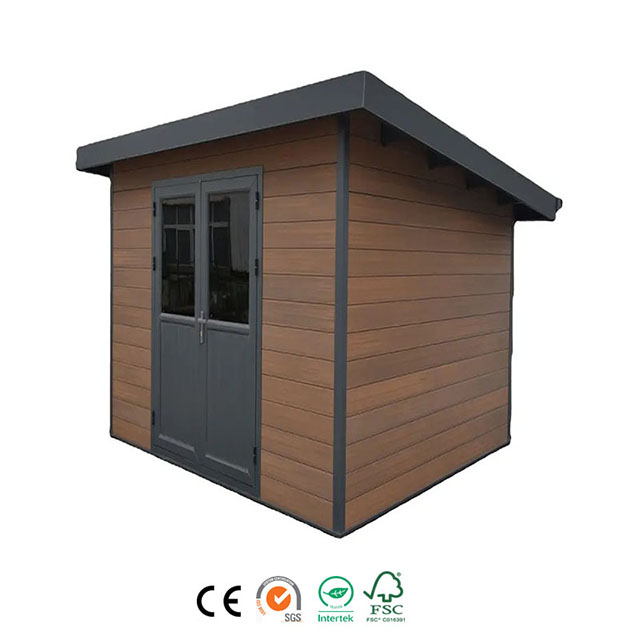
Physical components vary wildly between different models and brands. You must break down specific architectural features when comparing your options. Minor design choices heavily impact daily usability.
Roof architecture dictates weather handling and vertical clearance. Gable roofs and lean-to roofs serve very different environmental purposes. A gable roof features two sloping sides meeting at a top center ridge. It handles snowy climates brilliantly by displacing heavy snow loads quickly. A lean-to roof slopes in one single direction. It acts as an incredible space-saver. You can place an Outdoor storage shed directly against a house wall or a tall fence line.
Here is a structural comparison of these common roof styles.
| Roof Style | Best Climate and Placement | Primary Structural Advantage | Headroom and Clearance |
|---|---|---|---|
| Gable | Heavy snow zones, open yard space | Superior weight displacement | High center clearance |
| Lean-to (Pent) | Against home siding or tight property lines | Directed water runoff, space saving | Sloping clearance, lower profile |
Door configurations demand your immediate attention. We strongly argue for double doors equipped with heavy-duty exterior hinges. If you ever need to store a 42-inch mower deck or wide patio furniture, single doors become a massive bottleneck. Furthermore, carefully assess the threshold durability. You will repeatedly roll heavy items like portable generators and loaded wheelbarrows over that bottom threshold. Flimsy entryways crack under pressure, creating entry points for water and mice.
Ventilation and natural light prevent internal damage. Passive gable vents are strictly non-negotiable. Stagnant air breeds mold and condensation, which rapidly rusts exposed metal tools. Properly placed vents ensure continuous airflow. When evaluating interior light, consider the pros and cons of skylights versus side windows. Skylights provide excellent illumination while keeping your wall space completely free for shelving. Side windows offer nice traditional aesthetics but expose your valuable gear to prying eyes.
Flooring represents another critical component. Clarify whether your chosen model includes an integrated heavy-duty floor panel. Some premium units provide a reinforced resin floor that locks into the walls. Others only supply the exterior walls and roof, requiring you to construct a custom base from exterior-grade treated plywood.
Many eager homeowners drastically underestimate site preparation. We must address the real-world friction points of DIY installation to ensure your project succeeds.
The foundation mandate remains absolute. Any composite structure built directly on uneven soil will warp over time. Ground freezes and thaws, causing the earth to shift. When the foundation settles unevenly, the wall panels twist out of alignment. Most noticeably, the doors will jam or fail to latch properly. You must provide a perfectly level, rigid surface. We highly recommend pouring a permanent concrete slab or building a framed timber and compacted gravel pad.
Follow these critical steps for building a stable gravel base:
Assembly time assumptions require a reality check. Manufacturers often publish overly optimistic build times. They usually assume ideal weather conditions and professional builders. Set realistic expectations for yourself. An 8x8 unit typically requires at least two capable adults. You should never attempt assembly on a windy day, as the large panels act like boat sails. You need a completely flat staging area and 6 to 10 hours of dedicated, uninterrupted labor.
Always conduct a thorough hardware quality check before beginning. Inspect the included screws, brackets, and hinges. Stainless steel hardware is highly preferred. Cheap galvanized screws may oxidize over time, bleeding orange rust stains down your pristine composite panels. If a kit includes low-grade fasteners, visit the local hardware store and upgrade them before starting assembly.
Local compliance risks and security concerns require proactive management. You store high-value landscaping assets, so legal and physical protection matters greatly.
HOA rules and setback limits dictate exactly what you can build. Always check your local zoning laws regarding maximum structure height and total footprint limits. Many municipalities cap residential outbuildings at 100 to 120 square feet without requiring a formal building permit. Property line setbacks are equally critical. Cities usually mandate leaving three to five feet of clearance between the back of the structure and your neighbor's fence line. Failing to check these rules can result in hefty fines or a mandatory order to tear down the building.
Security mechanisms protect your financial investment. Evaluate the lockability of any model before authorizing a purchase. Look for reinforced steel hasps and multi-point door locking systems. Burglars target backyard outbuildings for expensive power tools. If your community faces petty theft, choose designs featuring opaque windows or install interior curtains. Keeping expensive equipment entirely out of sight deters opportunistic thieves.
Weather anchoring prepares your yard for extreme conditions. High-wind or hurricane-prone zones require additional physical safeguards. Discuss the necessity of ground tie-down kits with your supplier. You should install deep earth augers or concrete expansion bolts if you live in a coastal area. Even a heavy composite unit can shift during a severe storm if left unanchored.
Wrapping up your decision process requires a systematic approach. First, carefully measure your available yard space to establish physical boundaries. Second, audit your existing tool inventory and apply the 20% rule to accommodate future upgrades. Third, confirm all HOA limits and local setback regulations to avoid costly compliance headaches. Finally, select the specific roof and door styles that match your local climate and daily workflow.
Your most critical next-step action happens long before the delivery truck arrives. Finalize your foundation strategy immediately. Decide whether you will tackle a DIY compacted gravel pad or hire a local contractor to pour a concrete slab. Complete this ground preparation before ordering the unit. You want to avoid having unboxed composite materials sitting unprotected in your yard while you scramble to level the dirt.
A: High-quality WPC incorporates powerful UV inhibitors during the manufacturing process. You will notice minimal, uniform lightening over the first few months of sun exposure. After this initial natural weathering period, the color stabilizes completely and resists further degradation.
A: Painting is generally not recommended or necessary, as the material comes engineered to be entirely maintenance-free. Drilling is physically possible but requires specific heavy-duty wall anchors. Always check your manual, as improper drilling can easily void structural warranties.
A: When built on a proper, level foundation and given basic seasonal cleaning, you can expect 15 to 20+ years of solid structural integrity. They easily outlast traditional natural timber and thin metal alternatives by a wide margin.