The grey decking trend has dominated exterior design for a decade. Homeowners continually ask whether this cool-toned aesthetic is a passing fad or a permanent staple. You must look beyond mere aesthetics when planning an outdoor upgrade. The long-term viability of a grey deck relies heavily on material science and smart engineering. Many buyers face frustration when their grey-painted wooden decks peel or fade within just a few seasons. We will explore how modern cap-stock technology has permanently solved these historical issues. You will learn to navigate the shifting trend toward warmer "greige" tones. Finally, we will provide a comprehensive framework to help you choose the ideal materials for your environment.
**Trend Evolution:** The strict "cool grey" is shifting toward complex, warm tones ("greige"), ensuring long-term architectural relevance.
**Material Superiority:** Capped composite decking and WPC decking offer UV stability that traditional timber cannot match, preventing the "washed-out" look.
**Thermal Realities:** Dark grey boards retain significantly more heat than light grey; geographic location and sun exposure must dictate shade selection.
**Implementation:** Proper joist spacing and expansion gap planning are critical, particularly for darker composite materials subjected to temperature fluctuations.
Many design critics recently claimed we are seeing the end of the grey trend. You should evaluate these recent design shifts objectively. The industry is not abandoning grey altogether. Instead, we are witnessing the decline of flat, monochromatic cool greys. Early generation boards often looked artificial and plastic-like. Today, manufacturers produce multi-tonal, textured grey boards. These new designs mimic the natural color variation found in aged timber. They introduce realistic grain patterns and subtle lowlights. This evolution elevates the aesthetic from a basic synthetic look to a premium architectural feature.
Modern design is transitioning toward beige-grey hybrids. Designers commonly refer to this blend as "greige." This color profile blends modern neutrality with organic warmth. Pure cool greys can sometimes make an outdoor space feel sterile or unwelcoming. Greige solves this problem by introducing subtle brown and tan undertones. These warmer shades harmonize beautifully with natural landscaping. They also offer safer long-term appeal for property resale. Future buyers often prefer warm, adaptable outdoor living spaces. Greige serves as the perfect blank canvas for various furniture styles.
Grey continues to serve as a vital anchor for diverse exterior styles. It bridges the gap between modern industrial exteriors and traditional farmhouse aesthetics. For an industrial look, deep charcoal boards pair perfectly with black metal railings and concrete elements. For a modern farmhouse, lighter greige boards complement white siding and natural stone. Grey proves its utility as a foundational color rather than a temporary trend. It adapts to your evolving personal style. You can easily update your patio furniture or planters without clashing with the deck surface.
Natural wood demands a notoriously high maintenance cycle. Keeping natural wood consistently grey is incredibly difficult. You must rely on frequent staining to maintain the desired shade. Traditional stains peel and flake under harsh weather conditions. Sunlight causes inconsistent weathering across different areas of the deck. Parts of your deck in the shade will look vastly different from parts in direct sun. Manufactured boards completely eliminate this headache. They feature "baked-in" color throughout the material profile. You never have to sand, scrape, or re-stain the surface.
You must understand the differences between material categories when shopping. Buyers frequently compare Wood-Plastic Composites with pure PVC options. Wood-Plastic Composites blend recycled wood fibers with synthetic polymers. This creates a highly durable core. Pure PVC contains no organic wood material at all. When evaluating pigment depth, WPC often provides a more matte, realistic finish. Pure PVC can sometimes exhibit an unwanted plastic sheen in direct sunlight. WPC also offers excellent structural rigidity. It feels much more like traditional timber underfoot. Choosing a high-quality Composite Decking ensures you get both aesthetic depth and physical strength.
Modern cap-stock technology revolutionized the outdoor living industry. Manufacturers co-extrude a protective polymer shell around the inner core. This outer shield locks in the grey pigments securely. It prevents UV radiation from breaking down the color molecules. The shell also provides superior fade, stain, and scratch resistance. Spilled red wine or barbecue grease wipes away effortlessly. Early generation uncapped boards absorbed moisture and faded quickly. Modern capped boards ensure your dark charcoal or light silver deck looks identical years after installation.
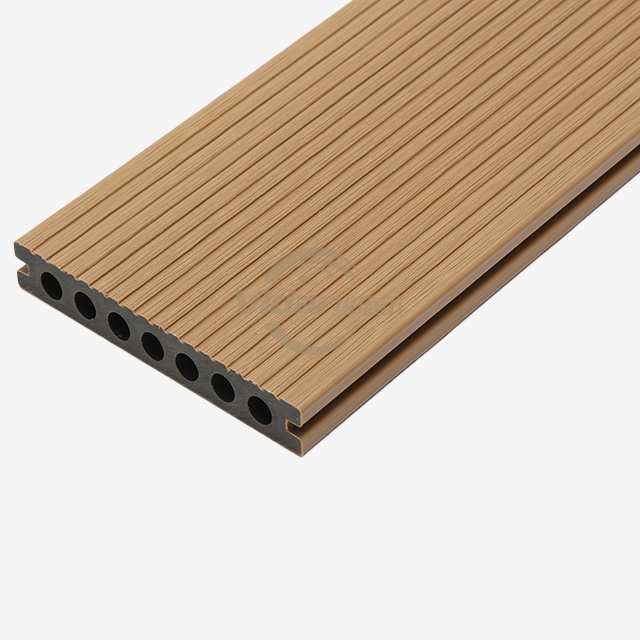
Light grey and silver tones perform exceptionally well in specific environments. They boast a high Light Reflectance Value (LRV). This means they bounce solar radiation away from the surface. They are best for areas with direct, unshaded sunlight exposure. Light tones also create an optical expansion effect. They make smaller patios or urban balconies feel much larger. Families generally prefer light grey for barefoot traffic around pools. However, these lighter shades come with minor limitations. They show mud, footprints, and darker debris much more easily. You will need to perform routine surface washing to keep them looking pristine.
Dark grey and charcoal tones deliver dramatic visual impact. They are best for high-contrast architectural matching. Imagine pairing a deep charcoal deck with crisp white siding and black trim. The result looks incredibly sophisticated. Dark boards also excel at hiding organic stains like yellow pollen or brown leaf tannins. Despite these visual benefits, dark shades have significant practical limitations. They possess high thermal retention properties. Dark boards absorb massive amounts of solar energy. They can become uncomfortably hot in direct summer sun. You should carefully consider your local climate before choosing charcoal tones.
Shade Category | Best Suited For | Primary Advantages | Main Limitations |
|---|---|---|---|
Light Grey / Silver | Direct sunlight, pool surrounds, small spaces | Stays cooler underfoot, makes spaces look larger | Shows dark dirt easily, requires frequent rinsing |
Mid-Tone / Greige | Farmhouse designs, transitional architecture | Hides dust well, offers warm organic aesthetics | May clash with strict industrial metallic finishes |
Dark Grey / Charcoal | High-contrast modern homes, shaded areas | Hides organic stains, delivers dramatic modern look | Retains significant heat, gets hot in direct sun |
Polymer-based materials react visibly to temperature changes. Dark grey boards absorb more heat than lighter alternatives. This absorption leads to greater thermal expansion during the day. The boards will then contract significantly as temperatures drop at night. You must emphasize strict adherence to manufacturer guidelines during installation. Proper joist spacing prevents the boards from sagging. Precise expansion gap planning is even more critical. If you fail to leave adequate gaps at the board ends, they will buckle. The expanding material will push against itself and warp the deck surface.
Many homeowners misunderstand how manufactured materials weather over time. High-quality boards are indeed highly fade-resistant. However, you should expect slight initial color settling. A minor reduction in gloss or pigment intensity occurs naturally. This settling typically finishes within the first 12 weeks of UV exposure. The polymer shell simply adapts to the outdoor environment. Do not mistake this initial settling for a defect. The color will stabilize completely after this brief period. It will then remain consistent for decades.
You must address heat retention if you choose dark tones. Implement practical solutions to keep the surface comfortable.
Install overhead structures: Incorporating pergolas or shade sails drastically reduces direct solar exposure.
Utilize outdoor rugs: Place breathable, UV-resistant rugs in high-traffic seating areas to protect bare feet.
Select advanced materials: Choose premium Composite Decking,WPC decking lines engineered with specialized cool-deck technology. These boards contain heat-reflective pigments.
Plant strategic foliage: Position tall, leafy trees on the western side of your deck to block harsh afternoon sun.
Never purchase decking materials based solely on online photos. Screen brightness and digital color grading distort reality. We advise buyers to utilize a strict sample testing protocol.
Order multiple samples: Request at least three variations of grey (light, medium, and dark) from different manufacturers.
Place them outdoors: Set the samples directly in the area where you plan to build the deck.
Evaluate lighting changes: Observe the grey tones under morning, noon, and evening light. Tones shift drastically as the sun moves.
Test wet conditions: Pour water over the samples. Notice how the color deepens and check the slip resistance of the wet texture.
Your deck must harmonize with your home's existing architecture. Provide yourself with a checklist for cross-referencing materials. Hold your chosen sample up against your exterior siding. Ensure the undertones complement each other. Next, check the sample against your roof fascia and window trims. Finally, lay the sample next to your hardscaping elements. Compare it against surrounding concrete paths, retaining walls, or natural stone features. A cool industrial grey might clash violently with warm sandstone pavers. Careful cross-referencing prevents expensive aesthetic mistakes.
You must scrutinize the specific warranties provided by the manufacturer. Do not just look at the structural guarantee. You need a dedicated "Fade and Stain" warranty. Look for 25-to-50-year guarantees on premium lines. Read the fine print carefully. The industry uses a measurement called Delta-E to quantify color change. A reliable warranty explicitly defines allowable Delta-E limits. It guarantees the color will not shift beyond a barely noticeable threshold. If a manufacturer refuses to specify fade limits in writing, choose a different brand.
The grey decking trend is not ending; it is simply maturing. The design world has moved past flat, artificial colors. We now embrace multi-tonal, textured, and warm "greige" aesthetics. Executing this sophisticated look successfully requires moving away from high-maintenance timber. You must invest in engineered materials to guarantee long-term performance. Capped boards provide the UV resistance and structural integrity necessary to keep your outdoor space beautiful. We highly recommend starting your project with hands-on evaluation. Direct yourself to order a curated sample pack of light, dark, and greige boards today. Begin your on-site testing protocol and transform your outdoor living space with confidence.
A: Yes, it can, but it depends heavily on the specific shade and your location. Light silver shades reflect sunlight and generally stay comfortable underfoot. Dark charcoal shades absorb significant heat and can become uncomfortably hot in direct afternoon sun. Geographic sun exposure plays a major role. Consider adding shade sails if you live in a hot climate and prefer dark boards.
A: High-quality modern boards will not yellow or fade significantly. Early-generation uncapped boards often suffered from UV degradation. Today, modern composites feature UV-inhibiting polymer caps. This protective shell locks in the grey pigment and blocks damaging radiation. You may notice a very slight color settling in the first few weeks, but the tone will stabilize permanently after that.
A: No, the trend is evolving rather than disappearing. Stark, flat industrial greys are becoming less popular. However, warmer, multi-tonal "greige" blends are dominating the market. These newer shades mimic natural aged wood. They offer incredible versatility and blend seamlessly with both modern and traditional architectural styles.
A: Cleaning is simple and requires no harsh chemicals. Use a mixture of warm water and mild dish soap. Apply the solution to the surface and gently scrub with a non-abrasive, soft-bristle brush. Rinse the area thoroughly with a standard garden hose. Always follow manufacturer-safe cleaning standards and avoid using high-pressure power washers, which can damage the polymer cap.