Views: 0 Author: Site Editor Publish Time: 2026-07-16 Origin: Site


Building a deck forces you to confront a difficult decision. You must balance upfront budget against long-term maintenance tolerance and visual preference. Many homeowners struggle to choose between traditional lumber and modern synthetic alternatives. The reality is simple: neither material is flawless. You must look past marketing claims. Instead, evaluate actual lifecycle costs, structural durability, and real-world homeowner experiences. We want to provide you a clear, unbiased framework to make this choice. You will learn how to evaluate traditional wood alongside synthetic options based on your specific climate and timeline. We will guide you through the true costs of upkeep and structural requirements. Ultimately, you will gain the confidence to select a material perfectly aligned with your outdoor living goals. Let us break down the evidence step by step.
Upfront vs. Lifecycle Cost: Wood is significantly cheaper to install, but composite decking often breaks even within 7–10 years due to eliminated maintenance costs.
Maintenance Realities: Traditional wood requires bi-annual cleaning and re-staining; composite requires only routine washing but is not entirely "maintenance-free."
Durability Factors: WPC decking resists rot, splintering, and insect damage, but can retain more heat in direct sunlight compared to natural wood.
Project Suitability: Your final choice should be dictated by your climate, DIY capabilities, and how long you plan to stay in the home.
Let us look closely at initial material costs first. Pressure-treated lumber remains the absolute cheapest option per square foot. Premium woods like cedar, redwood, and IPE cost considerably more. Standard synthetic boards usually sit near the price of premium natural woods. You must also consider labor variations. Installers often charge more for synthetic materials. These boards frequently require specialized hidden fasteners. Installers might also need to tighten the joist spacing. This extra work increases initial labor costs slightly.
Instead of focusing on just day one, we should examine a 10-year lifecycle formula. Wood demands ongoing investments. You will buy stain, sealant, and chemical cleaners repeatedly. You will also spend personal time replacing warped boards. These compounding costs add up incredibly fast. Synthetic boards eliminate most of these frustrating expenses. You simply buy gentle soap and water for seasonal cleaning.
How does each material impact home resale value? Premium decking usually yields a higher recoup rate for long-term homeowners. Buyers increasingly love low-maintenance yards. If you plan to sell next year, cheaper treated pine might make sense. For longer stays, modern engineered materials deliver superior return on investment.
Below is a comparative breakdown of expected material and maintenance expenses.
10-Year Expense Projection Estimates | |||
Material Type | Initial Material Cost (Per Sq. Ft.) | Annual Maintenance Cost | Estimated 10-Year Total Investment |
|---|---|---|---|
Pressure-Treated Pine | $2 - $5 | $150 - $250 (Chemicals/Stain) | Very High due to labor and upkeep |
Premium Cedar / Redwood | $5 - $8 | $100 - $200 (Specialty Sealants) | High due to delicate finishes |
Standard Synthetic Boards | $7 - $12 | $10 - $20 (Soap/Water) | Breaks even or costs less than wood |
Wood demands a notoriously strict regimen. You must act aggressively to prevent it from warping, cracking, or graying. Homeowners usually power wash, sand, and stain wood decks every one to three years. You cannot skip these crucial steps. If you neglect them, the wood fails rapidly.
To keep natural wood pristine, you will repeat this specific cycle continually:
Inspect the entire surface for loose nails and dangerous splinters every spring.
Apply specialized wood cleaners to strip away the old, degraded sealant.
Power wash carefully on a low PSI setting to avoid gouging the soft grain.
Let the surface dry completely for several days under clear skies.
Apply a fresh, even coat of high-quality stain or water repellent.
What about the alternative? A common homeowner misconception exists here. Many think modern boards need absolute zero upkeep. The reality is quite different. They are low maintenance, not no maintenance. You must clean them seasonally. Mild soap and warm water prevent surface mold effectively. You also need to wash away sticky pollen buildup.
Repairability highlights a critical difference between the two options. If you scratch a natural wood plank, you can sand it out easily. You can refinish a deeply gouged timber board in an afternoon. Deeply damaged synthetic boards behave differently. You usually cannot sand them down. You must replace the entire damaged board completely.
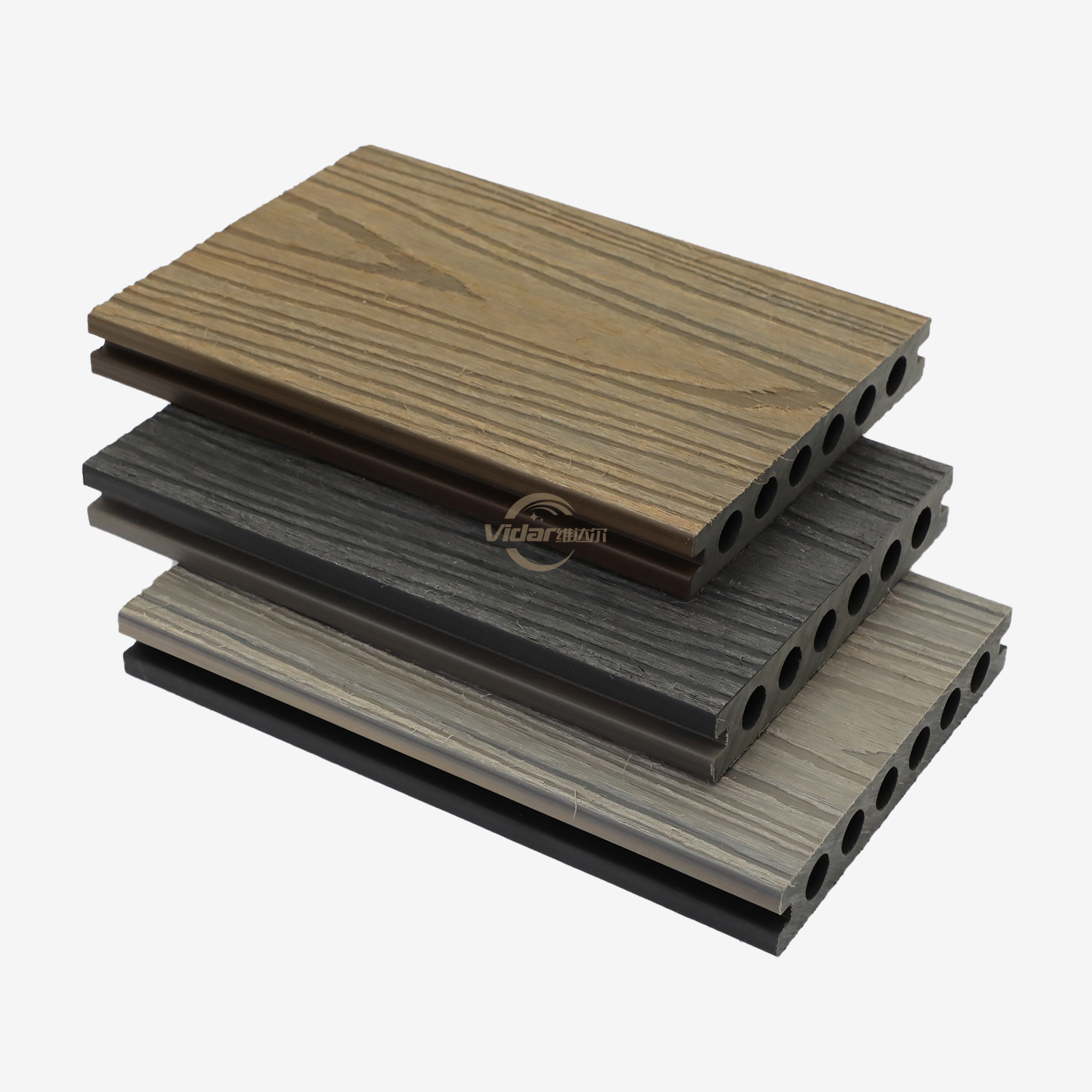
Moisture causes massive structural problems for outdoor living spaces. Engineered materials block water infiltration incredibly efficiently. For example, modern Composite Decking uses an advanced blend of fibers and polymers. PVC-capped boards go a step further. A protective outer shell wraps the core entirely. They eliminate rot and termite risks completely. Pressure-treated pine remains highly vulnerable to nature. Water seeps into pine easily, leading to inevitable decay over time.
We must acknowledge a frequent real-world complaint. Thermal retention matters greatly during summer. Darker synthetic boards get significantly hotter under direct sun than natural wood. They absorb and trap more solar heat. You can mitigate this frustrating issue easily. Choose lighter colors for your project. You might also select specific PVC product lines explicitly designed for rapid cooling.
Expansion and contraction also play a massive role in structural integrity. Synthetic materials shift noticeably when temperatures fluctuate. They expand outward in the extreme summer heat. They contract inward during deep winter freezes. Installers must calculate specific gapping parameters. Proper gaps prevent the boards from buckling against each other.
Best Practice: Always follow exact manufacturer guidelines for end-to-end gapping distances based on local climate extremes.
Common Mistake: Installing synthetic boards tight against the house siding, which causes severe buckling during peak summer heat waves.
Many traditionalists love the classic look of real wood. It offers unmatched organic warmth. You discover unique, non-repeating grain patterns on every single board. Natural timber provides a distinctly beautiful scent. Cedar and exotic hardwoods feel deeply authentic under bare feet.
However, synthetic finishes have evolved drastically over the last decade. Early 2000s versions looked like shiny, artificial plastic. Modern manufacturing changed everything entirely. Now, you see highly realistic multi-tonal streaking. Manufacturers use deep embossing techniques to mimic real grain. Modern matte finishes successfully replace the old glossy plastic sheen.
Color fading clearly separates the two structural categories. Untreated wood inevitably turns a silvery gray color. The intense sun bleaches the natural organic fibers rapidly. Modern capped composites resist harmful UV rays effectively. They offer strong color-fast guarantees from the factory. The vibrant color you buy today stays remarkably consistent for decades.
We can simplify this complex choice quickly. You should evaluate your exact lifestyle and budget constraints.
Choose traditional wood if you face strict budgetary limits initially. You might genuinely enjoy DIY home maintenance tasks on sunny weekends. Perhaps you plan to sell the house within three to five years. Wood makes sense if you are building in a heavily shaded, low-moisture area. Finally, choose wood if you demand a one-hundred-percent natural aesthetic.
Choose modern alternatives if you are building a long-term "forever home" deck. You might want to minimize exhausting weekend chores drastically. Synthetic materials excel if your deck faces harsh seasonal weather or high moisture. You should use them if you anticipate heavy foot traffic from large pets. They are perfect near a pool or hot tub. Splintering and water rot pose high risks in wet zones.
Review this straightforward deck material evaluation chart to guide your final choice.
Decking Decision Matrix | ||
Project Factor | Traditional Wood Recommendation | Modern Synthetic Recommendation |
|---|---|---|
Initial Budget Constraints | Excellent choice for tight starting budgets. | Requires a higher initial financial investment. |
DIY Maintenance Tolerance | Perfect if you enjoy staining and sanding. | Ideal for homeowners seeking minimal upkeep. |
Climate Conditions | Best in shaded, dry, well-ventilated areas. | Dominates in wet, sunny, or coastal environments. |
Property Tenure | Suitable for short-term residency (1-5 years). | Best ROI for long-term residency (10+ years). |
Replacing an old wood deck requires careful structural assessments. You cannot just slap new synthetic boards on old wooden joists. Synthetic boards weigh considerably more than dry pine. You must check the underlying substructure thoroughly. Standard wood joists often utilize 16-inch spacing. Heavy synthetic boards frequently require tighter 12-inch joist spacing. This critical adjustment prevents the boards from sagging over time.
Contractor selection serves as another crucial step. Vet your local installers carefully. Ask them directly about their experience using hidden fastener systems. Question them aggressively about thermal expansion gapping techniques. A highly skilled contractor deeply understands these specific material behaviors.
Take an actionable next step today. Order sample boards of wood and WPC decking immediately. Place them in your backyard. Observe them closely under your actual afternoon sunlight. Test them in your specific local environmental conditions. Spray them heavily using your garden hose to check traction. Do this testing before committing thousands of dollars.
Let us review the final verdict carefully. The "best" material remains completely subjective. It depends entirely on your personal budget and lifestyle. Wood trades your free time for a lower initial cost. Modern synthetics trade a higher upfront price for long-term peace of mind. Both materials build beautiful outdoor living spaces when installed correctly.
Here are your practical next steps to move the project forward:
Calculate your exact square footage accurately using a tape measure.
Outline your strict five-year budget, including all estimated maintenance costs.
Request material quotes from three reputable local suppliers.
Order physical samples to test temperature retention on your property.
A: They are heavily related, but not identical. Wood-Plastic Composite acts as a dominant sub-category. It blends recycled wood fibers and synthetic polymers securely. Other synthetic types might use purely plastic materials, like PVC, containing absolutely zero organic wood fibers.
A: You can, but you must verify structural integrity first. Synthetic boards weigh more than standard dry pine. Your existing frame might require reinforced joists. You also need to inspect the old frame for hidden rot or severe weathering before attaching new boards.
A: Synthetic boards generally last significantly longer. Manufacturers often provide 25 to 50-year warranties against structural failure and severe fading. Maintained treated pine typically offers a functional life of 10 to 15 years before rot and splintering require a full replacement.
A: It provides a nuanced return on investment. Premium synthetic decks often attract buyers seeking low-maintenance homes, boosting curb appeal. However, the exact financial value added depends heavily on your specific neighborhood comparables, the overall deck size, and regional climate demands.