Views: 0 Author: Site Editor Publish Time: 2026-07-29 Origin: Site


Residential and commercial builders are rapidly shifting away from traditional lumber for exterior projects. Modern design demands materials resilient against harsh weather. Traditional wood often fails to meet these rigorous standards. Buyers frequently hesitate before upgrading. The primary hesitation involves the higher initial capital outlay. You might wonder if spending more upfront truly makes sense. It is critical to understand whether synthetic materials deliver genuine value over time.
This article provides a transparent, data-driven evaluation of performance longevity. We explore maintenance demands, structural durability, and installation realities. You will discover exactly how these advanced boards perform under daily wear. We evaluate environmental benefits alongside practical site requirements. You will gain the exact knowledge needed to finalize your procurement decision confidently. We aim to help you build a durable, beautiful outdoor space.
Financial ROI: While upfront costs are 20–40% higher than pressure-treated wood, the break-even point on TCO typically occurs between years 5 and 7 due to eliminated maintenance costs.
Operational Efficiency: True "low maintenance" means no sanding, staining, or sealing—requiring only bi-annual standard cleaning.
Lifecycle Longevity: Modern capped composite and WPC decking offer 25- to 50-year functional lifespans with high resistance to moisture, rot, and UV degradation.
Risk Mitigation: Correct installation (specifically joist spacing and thermal gapping) is critical; composite boards will expose any flaws in an uneven substructure.
You must weigh day-one expenses against long-term financial benefits. Upfront material costs often deter budget-conscious buyers. Traditional pressure-treated lumber presents the lowest initial price tag. Premium woods like cedar or exotic Ipe demand significantly higher budgets. Synthetic boards generally sit above pressure-treated wood in pricing. They often cost roughly the same as mid-tier natural cedar. However, day-one material cost tells an incomplete financial story. You must account for contractor fees and framing hardware. Installation labor remains relatively consistent across different surface materials.
Maintenance amortization shifts the financial balance drastically. Wood decks demand relentless chemical treatments. You must strip, sand, and restain wood every two years. These tasks consume significant weekend hours. Hiring professional contractors for this upkeep drains your wallet quickly. Chemical sealants and deck washes also add recurring annual expenses. Synthetic materials eliminate these expensive, laborious chores entirely. You only need basic soap and water for bi-annual cleaning. This negligible upkeep saves thousands of dollars over a decade.
Exterior upgrades heavily influence home equity and commercial valuation. A deteriorating wood deck reduces property appeal during appraisals. Rotting boards signal deferred maintenance to potential buyers. Conversely, pristine synthetic surfaces boost buyer confidence immediately. High-quality installations increase the overall market value of your property. Many top-tier manufacturers offer fully transferable warranties. These guarantees provide exceptional peace of mind for future homeowners. Transferable warranties make your property highly competitive in tight real estate markets.
Material Type | Initial Outlay | Annual Upkeep Demands | Warranty Transferability |
|---|---|---|---|
Pressure-Treated Wood | Low | High (Stain, Seal, Sand) | Rarely Transferable |
Premium Cedar / Ipe | High | Medium (Oiling, Cleaning) | Non-Transferable |
Uncapped WPC | Moderate | Low (Basic Wash) | Sometimes Transferable |
Modern Capped Composite | Moderate to High | Negligible (Soap & Water) | Highly Transferable |
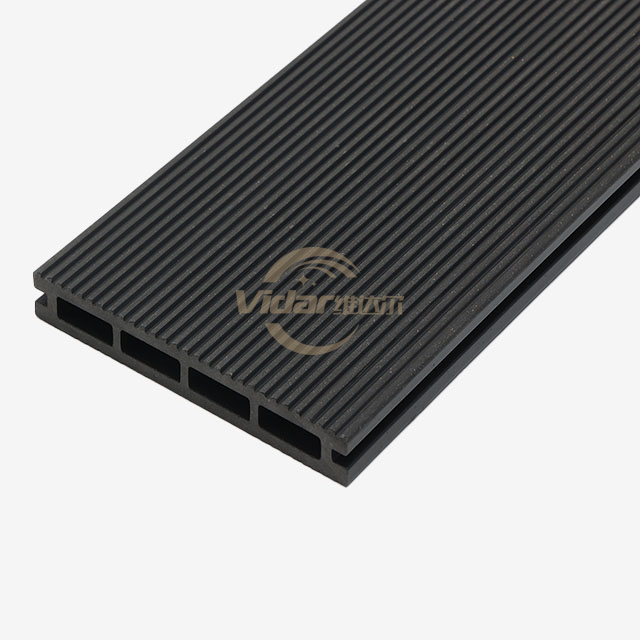
Moisture represents the greatest enemy to outdoor structures. Traditional wood acts like a sponge during heavy rain. It absorbs water deeply into its cellular structure. This absorption inevitably leads to fungal decay and severe warping. Advanced synthetic materials create a highly effective moisture barrier. The plastic components encapsulate the wood fibers entirely. This prevents water penetration at the microscopic level. You completely mitigate the risks of structural rot. Furthermore, these dense boards naturally repel destructive insect infestations. Termites and carpenter ants cannot digest the polymer blend.
Sunlight aggressively destroys exterior surfaces over time. Ultraviolet rays bleach natural lumber into a dull gray. Modern engineering solved this problem using protective polymer shells. Manufacturers co-extrude this "cap" around the core during production. This highly engineered outer layer guarantees exceptional colorfastness. It blocks harsh UV rays from breaking down the pigments. Your outdoor space retains its rich, original hue for decades. You never have to apply specialized UV-blocking varnishes.
Safety considerations remain paramount for both homes and businesses. Natural wood inevitably splinters as it ages and dries out. Splinters pose significant risks to bare feet and roaming pets. Commercial properties face serious liability issues regarding unsafe surfaces. Upgrading to advanced Composite Decking,WPC decking creates a safer environment. The extruded surface remains perfectly smooth over its entire lifespan. Manufacturers also engineer sophisticated grain patterns into the outer shell. These textured surfaces provide enhanced slip resistance during wet conditions. They align perfectly with strict commercial safety compliance standards.
Always ensure adequate under-deck ventilation to prevent stagnant moisture buildup.
Sweep away wet leaves promptly in autumn to prevent tannin stains.
Avoid dragging heavy metal furniture directly across the textured surface.
Use plastic shovels for snow removal to prevent deep gouging.
Eco-conscious consumers increasingly demand sustainable building materials. Traditional lumber practices often draw heavy environmental criticism. Synthetic boards offer a surprisingly green alternative. You might assume plastic-based products harm the environment. The manufacturing reality actually tells a different story. These boards utilize 80% to 95% recycled content. Manufacturers collect post-consumer plastics like grocery bags and detergent bottles. They combine these plastics with reclaimed industrial wood scraps. This brilliant upcycling process diverts millions of tons of waste.
Choosing synthetic materials directly mitigates widespread deforestation. The global demand for premium outdoor lumber drives aggressive logging. Harvesting exotic hardwoods like Ipe threatens delicate rainforest ecosystems. Even farming fast-growing domestic pine requires massive land usage. You completely bypass this destructive cycle by choosing engineered alternatives. Not a single tree is cut down to manufacture these specific boards. You protect old-growth timber simply by selecting a smarter material. This choice significantly lowers the carbon footprint of your renovation project.
We must also evaluate the product lifespan against landfill impact. Traditional wood decks fail relatively quickly in harsh climates. Homeowners often tear down rotting structures every 10 to 15 years. This generates massive amounts of chemically treated debris. Pressure-treated wood cannot be safely burned or easily recycled. It clogs local landfills at an alarming rate. Engineered materials offer functional lifespans exceeding 25 years. They outlast natural wood by a factor of three. This extended longevity drastically reduces long-term waste generation.
Waste Diversion: Millions of single-use plastic bags find permanent homes in structural boards rather than oceans.
Forest Preservation: Zero virgin timber is harvested, directly protecting vulnerable global forest ecosystems.
Chemical Reduction: Toxic waterproofing sealants and chemical stains never leach into your backyard soil.
Transparency requires acknowledging certain performance trade-offs. Thermal retention remains a notable characteristic of dense synthetic boards. Darker colors naturally absorb more solar radiation. They retain more heat in direct sunlight than light natural wood. You might find dark boards uncomfortable for bare feet. This happens specifically during peak summer afternoon hours. We advise careful color selection for sun-heavy, south-facing exposures. Light gray or pale tan colors significantly mitigate this heating issue. They reflect solar energy much more efficiently.
Substructure sensitivity dictates strict installation rules. Wood boards boast high rigidity across wide spans. Synthetic boards are inherently more pliable than rigid lumber. They require a perfectly leveled joist framework underneath. An uneven frame causes the flexible boards to wave visibly. They will expose any structural flaws in your foundation. Builders must strictly follow 12-inch or 16-inch on-center joist spacing. Exceeding this span inevitably leads to dangerous surface sagging. You cannot cut corners on the foundation framing.
Thermal expansion presents another unique installation challenge. Plastics naturally expand in heat and contract in extreme cold. Wood primarily changes dimension based on moisture content. Installers must outline proper thermal gapping during construction. They leave precise gaps between boards end-to-end. This allows the material to swell safely on hot days. Ignoring these gapping rules causes severe buckling. Boards will aggressively push against each other and warp. Hiring contractors experienced with these specific materials prevents this failure.
Installing boards tightly against a house wall without an expansion gap.
Using standard wood screws instead of specialized hidden fastening clips.
Placing joists at 24-inch centers to save money on framing lumber.
Failing to tape the tops of wooden joists before laying the boards.
Navigating the current market requires a clear evaluation framework. The first major distinction involves capping technology. Early generations of WPC lacked a protective outer shell. These uncapped versions absorbed stains and faded relatively quickly. You should absolutely insist on capped composite for modern performance standards. The protective shell wraps around either three or four sides. Four-sided capping offers maximum protection against ground-level moisture. It ensures your investment survives the harshest seasonal transitions.
Profile types drastically impact both budget and structural feel. Manufacturers offer two primary board profiles today. Scalloped boards feature a grooved, hollowed-out bottom surface. They utilize less material during manufacturing. This makes them noticeably lighter and highly cost-effective. Solid profile boards closely mimic the heft of real wood. They offer maximum structural integrity and noise reduction. Solid boards perform best on stairs and high-traffic commercial walkways. You must choose the profile that aligns with your specific needs.
Warranty evaluation demands careful attention to fine print. Marketing brochures often highlight impressive 50-year guarantees. You must separate "structural warranties" from "fade and stain guarantees." A structural warranty only covers catastrophic failures like splitting or rotting. The fade and stain guarantee protects the aesthetic beauty. When you purchase high-quality Composite Decking, you should expect strong coverage for both. Always verify what specific chemical spills might void your warranty. Understand whether the guarantee transfers if you sell your home.
Verify the exact length of the fade and stain protection.
Check if labor replacement costs are included or just material replacement.
Confirm the requirements for warranty transferability to a second owner.
Review the list of approved cleaning agents to avoid voiding coverage.
The advantages of upgrading to engineered materials vastly outweigh the drawbacks. You secure unparalleled longevity by eliminating moisture decay and insect damage. You reclaim your weekends by ditching relentless sanding and staining routines. Modern capping technology guarantees your outdoor space remains visually stunning. Proper installation ensures structural safety and perfect aesthetic alignment. Buyers prioritizing long-term value and minimal labor will find this investment highly rewarding.
It is time to move from evaluation to concrete execution. We strongly encourage ordering physical sample boards today. Test these colors directly against your exterior siding in natural sunlight. Observe how the textures feel underfoot during different times of day. Reach out to certified installers to request a customized material takeoff quote. Taking these specific steps ensures your upcoming renovation exceeds all expectations.
A: Modern capped boards boast realistic functional lifespans ranging from 25 to 50 years. Advanced polymer capping technology prevents UV degradation, rot, and splintering. Unlike natural wood, they rarely require replacement within a standard homeownership period if installed correctly.
A: Dense materials do retain heat in direct sunlight. Darker boards can become uncomfortably hot during peak afternoon hours. You can easily solve this by selecting lighter colors like pale gray or tan for heavily sunlit, south-facing areas.
A: Yes, you can utilize an existing frame. However, you must thoroughly inspect the old joists for rot or severe warping. The joists must be perfectly level and spaced appropriately (usually 16 inches on-center) to support the flexible boards safely.
A: It requires low maintenance, not zero maintenance. You never need to sand, stain, or apply chemical sealants. However, you must perform routine washing with soap and water twice a year. This prevents surface dirt and seasonal pollen buildup.