Views: 0 Author: Site Editor Publish Time: 2026-05-30 Origin: Site


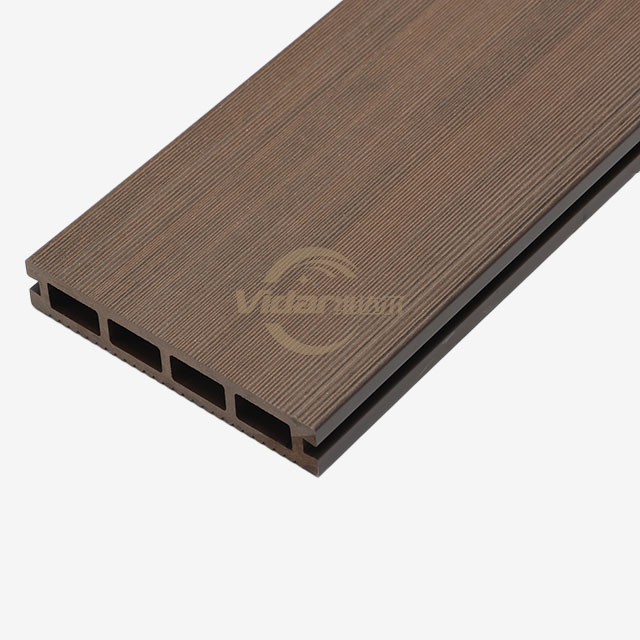
Installing composite boards demands strict precision to guarantee structural safety and preserve manufacturer warranties. You cannot treat composite materials exactly like traditional lumber. Using improper equipment often ruins your investment in seconds. Incorrect saw blades easily melt the delicate polymer edges. Aggressive fastening drills cause severe surface cracking and stripped hardware. These specific mistakes will quickly void your warranty.
A truly successful installation minimizes expensive material waste. It actively controls natural thermal expansion and leaves a pristine, visually flawless aesthetic. This comprehensive guide categorizes the exact standard and highly specialized tools required for your next project. We provide concrete specifications, including exact blade tooth counts and mandatory spacer dimensions. You will learn how to transition your outdoor space seamlessly from the initial planning phase right into active, error-free implementation.
Standard woodworking tools generally suffice for WPC decking, but specific modifications (e.g., fine-tooth carbide blades) are mandatory to prevent material damage.
Fastening systems dictate drill requirements; specialized driver bits and cordless drills are prioritized over high-torque impact drivers to avoid stripping composite materials.
Specialized "Pro" tools, such as board straighteners and hidden fastener applicators, can reduce installation time by up to 5x while ensuring perfect 6mm expansion gaps.
Proper layout tools are critical for establishing the required 2% drainage slope and planning board patterns before a single cut is made.
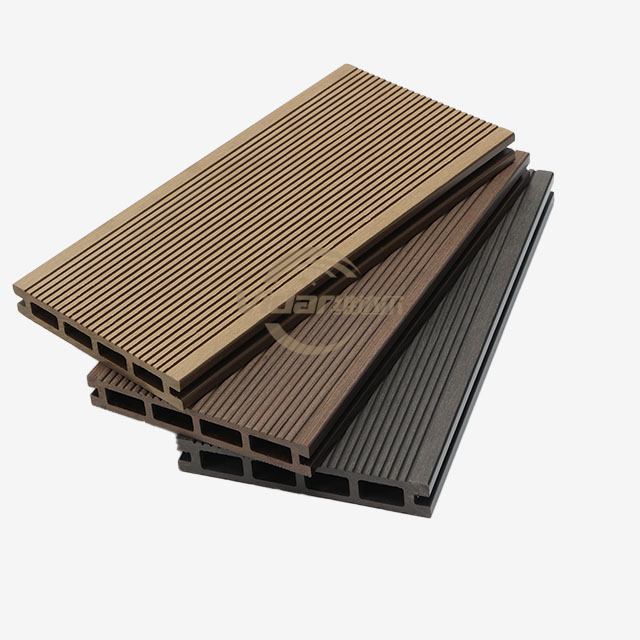
Accurate groundwork prevents compounding errors down the line. When you install WPC decking, you must establish a perfectly level base first. Your primary goal involves setting correct joist spacing and calculating a proper drainage slope. Without highly accurate layout tools, even premium composite materials will fail prematurely.
Professional installers follow a strict layout sequence to eliminate errors. We recommend you follow these exact steps before fastening any boards:
Clear the installation site and establish your preliminary corner boundary markers.
Calculate the necessary drainage slope using your precise leveling tools.
Mark your specific joist intervals along the entire sub-frame.
Snap straight reference lines to guide your initial starter boards.
To execute this sequence properly, you need several essential measuring instruments. Each tool serves a highly specific function during the framing phase.
Tape Measure (Minimum 25-foot): You require a long tape for plotting accurate joist centers. Standard residential framing demands a 400mm (16-inch) spacing. If you plan a diagonal installation, you must reduce this spacing to 300mm (12 inches) to maintain structural integrity.
Levels (Laser and 4-Foot Spirit Level): These are critical for ensuring a uniform surface. You also use them to calculate the necessary 2% gradient. This specific slope guarantees proper water runoff and prevents moisture pooling.
Chalk Line and String Line: You use these tools to snap perfectly straight guide lines. They keep your starting boards aligned and help mark your final overhang cuts accurately.
Decking Spacers: These are purpose-built gap tools. You must maintain a strict 6mm (1/4-inch) side-to-side and end-to-end expansion gap. This critical spacing accommodates the natural 0.3% to 0.5% thermal expansion rate inherent to polymer composites.
Common Mistake: Many beginners skip the 2% drainage slope calculation. Flat sub-frames trap standing water beneath the surface. This trapped moisture eventually degrades the supporting wooden joists, even if the top composite boards remain waterproof.
Composite materials contain a significant percentage of high-density polyethylene (HDPE). This plastic component creates unique cutting challenges. Coarse-wood blades will quickly melt the polymer. They also cause heavy chipping along the cut edges. You must mitigate this risk by selecting the correct saws and specific blade types.
You rely on two primary cutting tools during a standard deck build. Each handles a different type of cut effectively.
Circular Saw or Compound Miter Saw: This acts as your main workhorse. You use it for standard crosscuts and long ripping tasks. A 10-inch or 12-inch compound miter saw offers the most stability for repetitive straight cuts.
Jigsaw: You need this tool for intricate, detailed work. It proves essential for cutting around physical obstacles. You will use it to navigate around railing posts, drainage pipes, or curved architectural features.
The saw itself matters less than the blade attached to it. Crucial blade specifications dictate the final quality of your cut edges.
Carbide-Tipped, Fine-Tooth Blades: You must use a specialized blade. It should feature a minimum of 40 teeth. For miter saws, we highly recommend 60 or more teeth. High tooth counts reduce friction significantly. Lower friction prevents heat buildup. This leaves a clean, factory-like edge completely free of burrs or melted plastic.
Implementation Reality: You must cut slowly and steadily. Forcing the saw rapidly through the composite matrix will cause the polymer to bind. It can also splinter the protective outer capping. Let the fine-tooth blade do the actual work.
Tool Type | Primary Application | Required Blade Specification |
|---|---|---|
Compound Miter Saw | Precise crosscuts and angled cuts | 10" or 12" Carbide-Tipped, 60+ Teeth |
Circular Saw | Long straight rips down board length | 7-1/4" Carbide-Tipped, 40+ Teeth |
Jigsaw | Curved cuts around posts and pipes | Fine-tooth T-shank composite blade |
Your choice of fastening tools depends entirely on your selected installation method. You must decide whether your project utilizes traditional face-screwing or a modern hidden fastener system. Each category demands slightly different equipment.
Regardless of your specific system, certain core drilling tools remain mandatory for secure anchoring.
Cordless Drill (18V or 20V): A standard cordless drill is far preferable to a high-torque impact driver. Standard drills feature adjustable clutch settings. These mechanical clutches allow for precise depth control. They prevent screws from sinking too deep. Over-driving screws causes the composite surface to mushroom, leaving ugly plastic bumps around the fastener hole.
Drill Bits for Pre-drilling: Pre-drilling is often mandatory. You must pre-drill holes near the exact ends of composite boards. This simple step prevents severe cracking. Always match your drill bit size precisely to the shank diameter of your chosen fastener.
Rubber Mallet: You use this tool to gently tap boards into position. It helps lock boards into hidden starter clips or complex locking mechanisms. The soft rubber head applies blunt force without marring or scratching the delicate surface finish.
Hardware consumables represent another critical focus area. You must always use stainless steel screws. Approved coated decking screws also work well. Traditional galvanized screws will eventually rust. Rust streaks penetrate the composite grain. They are notoriously difficult to clean off textured polymer surfaces.
Best Practice: When setting up your cordless drill, begin with the clutch set to a low number. Drive a test screw into a scrap piece of material. Slowly increase the clutch setting until the screw head sits perfectly flush with the board surface.
Feature | Standard Cordless Drill | Impact Driver |
|---|---|---|
Clutch Settings | Yes (Adjustable for precise depth) | No (Relies entirely on user trigger control) |
Risk of Over-driving | Low (Clutch stops the rotation) | High (Easily crushes composite material) |
Best Application | Setting hidden fasteners accurately | Driving heavy structural lag bolts into frame |
Scalability and efficiency matter greatly. For contractors or serious DIYers managing large deck footprints, standard tools quickly create frustrating bottlenecks. Investing in specialized tools addresses these common installation pain points. They improve speed and reduce physical fatigue.
Advanced tooling options separate weekend amateur setups from professional staging. Consider adding these specialized items to your equipment roster.
Board Straighteners (e.g., BoWrench): Pressure-treated wooden joists often have slight bows. Long composite boards can also curve during storage. A board straightener acts as a heavy-duty lever. It locks firmly onto the joist. You pull the handle, and it bends warped boards perfectly straight. It holds them under tension while you apply the fasteners.
Automated Fastener Systems (e.g., CAMO Drive / Tiger Claw): These stand-up pneumatic or drill-driven tools transform the workflow. They automatically feed screws into the clips and set identical gaps simultaneously. Using a stand-up tool speeds up the tedious fastening phase by up to five times. It also saves your knees and back from hours of kneeling.
Plunge Routers: Advanced installers rely on routers for specific aesthetic details. You use them to custom-groove the solid edges of square-edge boards. This allows those cut edges to seamlessly accept hidden fasteners, eliminating the need for top-down face screws on perimeter framing.
While DIYers might hesitate to purchase these items outright, tool rental centers often carry them. Renting a stand-up fastener system for a single weekend represents a highly intelligent, high-ROI decision.
Proper site preparation protects your substantial financial investment. It ensures the longevity of the composite material itself. Your primary goal here involves preventing ground moisture from migrating upward. Constant moisture exposure rots the wooden sub-frame long before the composite boards fail.
You need durable earth-moving tools to establish ground compliance safely.
Shovels and Wheelbarrows: Essential for excavating topsoil and moving heavy aggregates.
Tampers: You use these to compact gravel or soil firmly. A highly compacted foundation prevents structural settling over time.
Heavy-Duty Shears or Utility Knives: Necessary for cutting and laying thick weed barrier fabric beneath the joist grid. This fabric prevents aggressive plant growth from disrupting air flow under the deck.
Personal Protective Equipment (PPE) remains an absolute priority. You cannot ignore safety realities when working with dense manufactured materials.
Safety Glasses and Dust Masks: Cutting composites generates fine plastic particulate and sawdust. This mixed dust irritates eyes and lungs rapidly. High-quality respiratory and eye protection are entirely non-negotiable during the cutting phase.
Knee Pads and Heavy Gloves: Decking requires immense physical endurance. You will spend hours kneeling on hard joists during the layout and fastening phases. Professional-grade knee pads prevent severe joint fatigue. Heavy gloves protect your hands from sharp utility blades and rough wooden splinters.
Common Mistake: Skipping the weed barrier fabric seems like an easy shortcut. However, tall weeds eventually grow up through the 6mm expansion gaps. Removing them later proves incredibly difficult and frustrates homeowners for years.
Evaluating your specific project scale determines your ultimate tool requirements. For a small weekend DIY deck, a quality circular saw equipped with a new fine-tooth blade, a standard cordless drill, and basic measuring tools are perfectly sufficient. However, for larger or complex multi-level installations, renting board straighteners and stand-up fastening tools represents a highly profitable, high-ROI decision.
Your shortlisting logic should always prioritize material safety first. Never compromise on blade specifications or drill clutch settings. The wrong consumable parts will actively damage your expensive boards.
Follow these action-oriented next steps before you begin:
Audit your current tool inventory against the strict blade and drill specifications outlined above.
Prioritize acquiring the correct 6mm decking spacers immediately.
Purchase high-quality stainless-steel hardware to prevent long-term rust issues.
Ensure your laser level functions properly, then proceed confidently to the sub-frame layout phase.
A: Yes, the primary tools themselves (circular saws, miter saws, cordless drills) are identical to traditional woodworking equipment. However, you must change the consumable attachments. Using a specialized fine-tooth carbide blade is strictly critical to avoid melting the plastic composite matrix during cuts.
A: If you use traditional face screws, pre-drilling is highly recommended. It becomes mandatory within 1.5 inches of the board ends to prevent the composite from splitting. If you use hidden fasteners, pre-drilling is usually only required for securing the perimeter starter clips.
A: A 10-inch or 12-inch compound miter saw provides the best results for crosscuts. When equipped with a high-quality 60-tooth carbide blade, it yields the cleanest, most precise edges for composite materials, minimizing friction and preventing melted burrs.
A: Composite materials actively expand and contract with environmental temperature changes. Their thermal expansion rate typically ranges from 0.3% to 0.5%. Using exact 6mm spacers ensures adequate room for this movement. It also guarantees proper water drainage, completely preventing structural buckling over time.