Views: 0 Author: Site Editor Publish Time: 2026-05-01 Origin: Site


Upgrading outdoor spaces demands smart financial and operational choices. Moving away from traditional timber represents a massive industry shift. Property owners now prioritize engineered solutions over natural wood. Traditional timber drains both time and money. You must sand, stain, and seal wood annually to prevent decay. Engineered alternatives change this dynamic entirely.
Wood-Plastic Composite requires a higher initial investment. However, its rising market dominance makes perfect sense. Lifecycle cost reductions drive this overwhelming popularity. You enjoy minimal maintenance over a long lifespan. We will dissect the reality behind these boards. You will learn exactly where they excel in real-world conditions. We will also explore their realistic limitations openly. Finally, this guide explains how you can evaluate suppliers objectively. Our skeptical-friendly tone helps you make informed procurement choices.
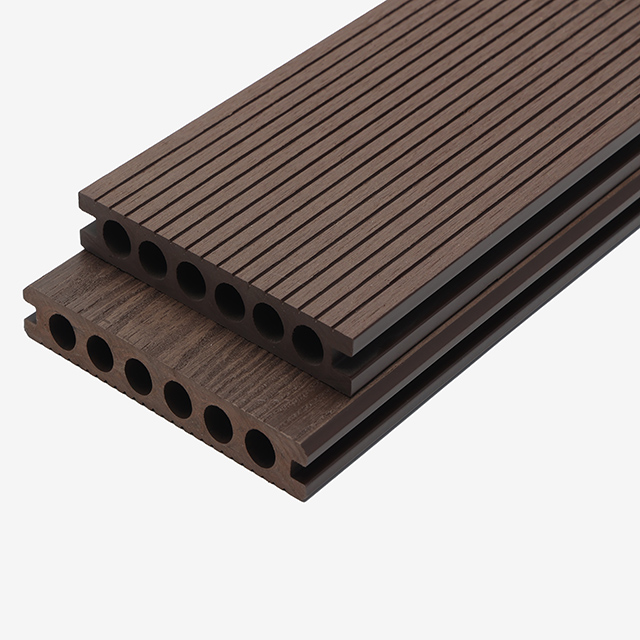
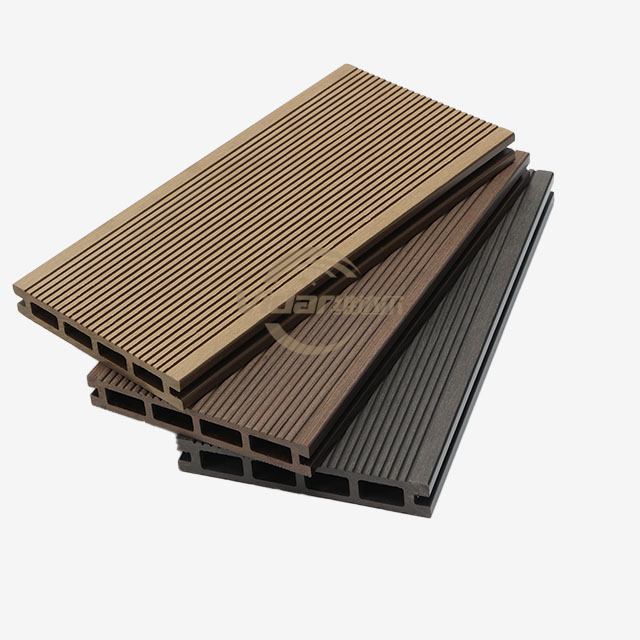
Material Reality: WPC combines recycled wood fibers and high-density polymers (often in a 60/30/10 golden ratio) for authentic aesthetics and high weather resistance.
TCO Advantage: Eliminates routine sanding, staining, and sealing, drastically lowering Total Cost of Ownership (TCO) over a 20-25 year lifespan.
Modern Solutions: Next-generation "Co-extrusion" (capped) boards solve early WPC issues like UV fading and moisture penetration.
Buyer Beware: The market is flooded with low-tier boards using cheap fillers (like talcum powder); verifying density, core structure, and ASTM/Intertek certifications is critical for procurement.
Modern composite materials rely on precise chemical engineering. Manufacturers do not just mix materials randomly. They follow strict formulas to ensure structural integrity. The industry standard relies on a specific "golden ratio" of components. This careful balance creates a highly durable end product.
The standard composition utilizes three core elements. First, recycled wood or bamboo fibers make up roughly 60% of the board. This organic material provides structural rigidity and a natural appearance. Second, plastics constitute about 30% of the mix. High-quality WPC Decking uses High-Density Polyethylene (HDPE). HDPE offers superior tensile strength compared to standard PVC. Finally, chemical additives form the remaining 10%. These critical additives include UV stabilizers, colorants, and anti-fungal agents.
Component Category | Ideal Percentage | Engineering Purpose |
|---|---|---|
Recycled Wood/Bamboo Fiber | 60% | Provides natural aesthetics, core rigidity, and structural strength. |
High-Density Polymers (HDPE) | 30% | Binds organic fibers, prevents moisture intrusion, adds flexibility. |
Specialized Additives | 10% | Delivers UV protection, vibrant coloring, and pest resistance. |
The manufacturing reality involves a high-temperature extrusion process. Machines heat the plastic polymers until they melt completely. The melted plastic thoroughly coats the organic wood fibers. This intense heat and pressure bind the materials together. Extrusion eliminates common timber risks entirely. You no longer face splinters or insect damage. Yet, the board retains a convincing natural grain look.
Environmental impact plays a huge role in material selection today. Engineered composites offer a strong sustainability angle. Manufacturers repurpose industrial sawdust. They also recycle massive amounts of consumer plastics. This process keeps waste out of local landfills. Furthermore, composite materials maintain extremely low VOC emissions. They do not require harsh chemical treatments. Traditional lumber often relies on toxic chemicals for rot resistance.
Evaluating outdoor materials requires looking past the initial price tag. Total Cost of Ownership (TCO) reveals the true financial picture. Upfront costs for composites are undeniably higher than basic treated pine. However, the long-term savings become substantial within five years.
Traditional timber carries significant hidden costs. You must factor in annual waterproof sealants. You must pay for intense labor during seasonal sanding. Eventually, you face expensive individual board replacements due to rot. WPC offers a completely different maintenance reality. You generally only need soap and water for periodic cleaning. This dramatically lowers the TCO over a 20-year operational lifespan.
Longevity and weathering capabilities separate premium composites from cheap alternatives. High-quality boards demonstrate exceptional resistance to ambient moisture. They prevent fungal decay and organic rot. Timber warps and swells when exposed to continuous damp environments. Quality composites handle coastal climates or heavy rainfall effortlessly. They maintain their factory shape without absorbing standing water.
Safety and compliance features remain critical for commercial and family spaces. Property managers must mitigate liability risks. Engineered boards often feature heavily textured, slip-resistant surfaces. Splinter-free finishes protect bare feet around swimming pools. Additionally, built-in fire retardancy improves overall safety. Reputable manufacturers test their products against strict industry standards. You should always look for verified ASTM E84 or EN13501 fire ratings.
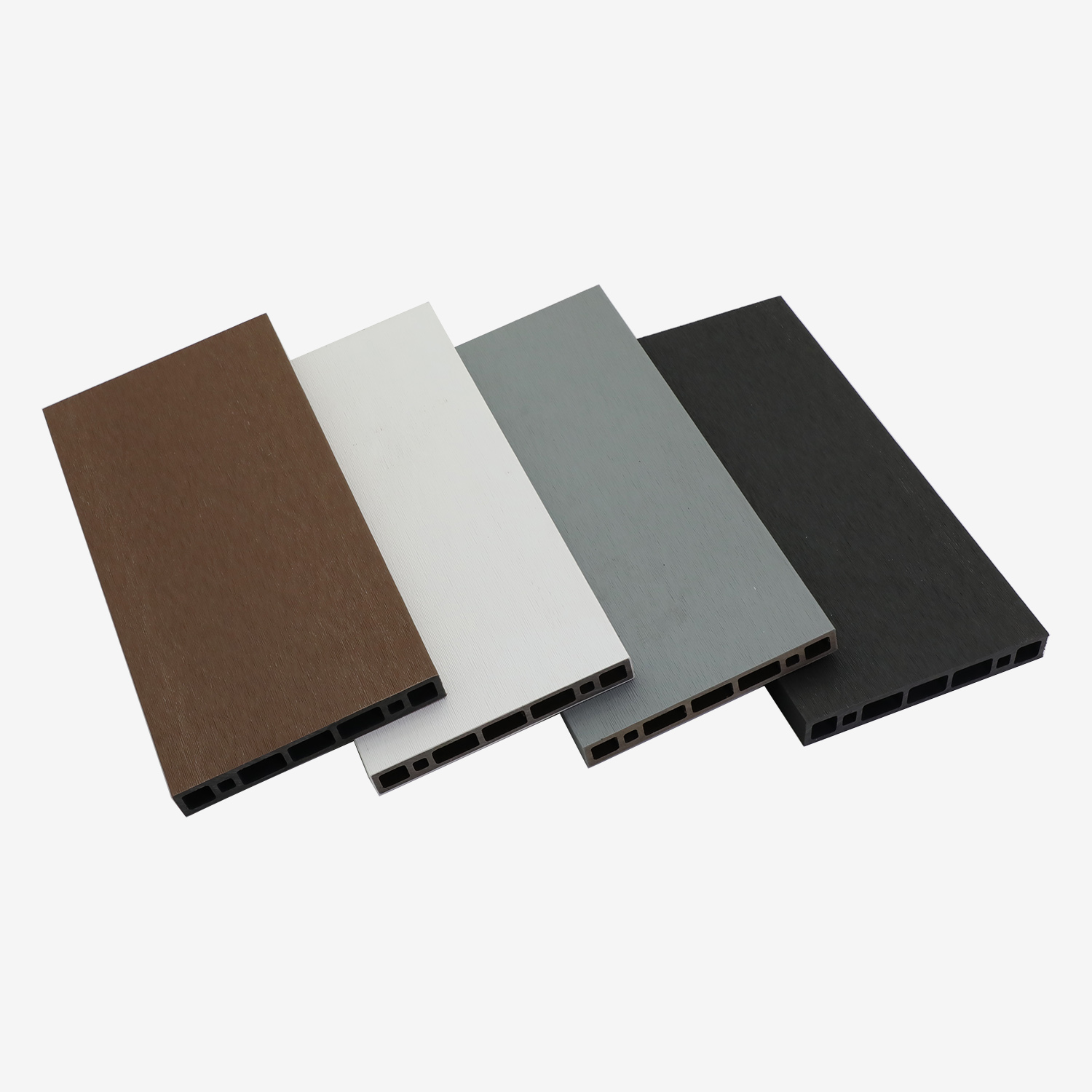
Choosing the right material requires comparing specific features against desired outcomes. No single material works perfectly for every possible scenario. You must weigh the structural benefits against aesthetic preferences.
Material Option | Core Feature Focus | Primary User Outcome |
|---|---|---|
Traditional Timber | Natural aging process and organic aesthetics. | Requires high maintenance but offers traditional authenticity. |
100% PVC (Plastic Wood) | Entirely synthetic composition without organic fibers. | Ultra-lightweight and highly waterproof, but looks artificial. |
WPC (Wood-Plastic Composite) | Blend of organic wood fibers and HDPE. | Balances authentic wood looks with low-maintenance durability. |
SPC (Stone Plastic Composite) | Limestone core construction for maximum rigidity. | Extremely scratch-resistant but feels hard underfoot. |
Comparing composites to traditional timber focuses mostly on maintenance burdens. Wood undergoes rapid natural degradation outdoors. Sunlight and rain destroy unprotected wood fibers quickly. Composites trade the natural aging process of wood for predictability. You gain consistent performance without the exhausting upkeep.
Comparing composites to 100% PVC clarifies important structural differences. PVC consists entirely of synthetic resins. It lacks the structural rigidity provided by wood fibers. PVC is undeniably lighter and completely immune to moisture. However, it often looks "plastic-like" to discerning buyers. It struggles to replicate the deep visual warmth of natural grain.
Comparing composites to Stone Plastic Composite (SPC) reveals distinct comfort differences. SPC is ultra-rigid and highly scratch-resistant. It utilizes a dense limestone core. While SPC excels indoors, a wpc decking floor offers vastly superior comfort outdoors. It provides a softer, warmer underfoot feel for bare feet. It also delivers superior acoustic dampening for active outdoor living spaces.
Every building material has inherent physical limitations. Transparency helps you plan successful installations. Acknowledging physics prevents costly long-term failures. Heat retention remains a valid concern for outdoor composite materials.
These boards absorb and retain more heat than natural wood under direct sun. Darker colors naturally get hotter during peak summer afternoons. Physics dictates thermal expansion in all plastic-based materials. Boards will expand as temperatures rise. Proper gapping during installation becomes an absolute necessity. Installers must use dedicated hidden interlocking clips. These engineered clips accommodate thermal expansion safely.
UV fading risks exist in uncapped, first-generation boards. You should expect slight color fading during the first few months. This happens due to early polymer degradation from ultraviolet light. The color will eventually stabilize into its permanent shade. We advise buyers to expect this mild weathering phase. Setting realistic aesthetic expectations prevents early disappointment.
The industry developed a premium upgrade to solve these specific issues. We call this the "Co-extrusion" solution. Manufacturers produce "capped" boards utilizing advanced engineering. They add a 360-degree protective polymer shield around the core. This rigid outer layer solves early fading completely. It also prevents deep scratching from patio furniture. The shield aggressively blocks stubborn staining from grease or wine.
The global market features hundreds of competing material suppliers. Product quality varies wildly across different price tiers. You must know how to identify poorly manufactured boards. Unscrupulous manufacturers often use deceptive production tactics.
You must actively avoid the cheap filler trap. Some manufacturers drastically cut production costs. They replace strong wood fibers with cheap talcum powder. Others use light calcium carbonate to add artificial weight. These cheap fillers destroy the structural integrity of the polymer matrix. The resulting boards become highly brittle. They will inevitably crack during extreme winter weather.
Conduct a strict 3-step physical audit before purchasing any bulk materials. This hands-on evaluation protects your investment.
Inspect the Profile: Examine the cut end of a sample board. Look for a highly dense, uniform cross-section. Avoid any boards showing large air bubbles or loose crumbly textures.
The Smell Test: Bring the material close to your face. Quality composite should possess a faint, pleasant wood scent. A harsh chemical odor clearly indicates low-grade recycled plastics.
Surface Hardness: Test the durability of the outer layer physically. Use a coin to check the scratch resistance. High-quality capped boards will resist moderate pressure easily.
You must establish strict shortlisting criteria based on required certifications. Do not accept vague marketing claims regarding durability. Demand verifiable, independent laboratory data from the supplier. Request Intertek testing reports for UV aging specifically. A rigorous 2000-hour machine test accurately maps to 6-7 years of outdoor exposure. Furthermore, verify all load-bearing metrics and demand proof of CE/ISO compliance.
WPC stands as the optimal choice for buyers prioritizing long-term aesthetic stability.
The material eliminates relentless maintenance, far outweighing the higher initial project cost.
Request physical samples immediately to test the core weight and cross-section density.
Verify the material's thermal compatibility with your specific local climate extremes.
Calculate a 5-year TCO comparison against traditional wood to justify the investment to stakeholders.
A: Yes, it can get hot in direct peak summer sun. Because the material contains dense plastics, it retains heat longer than natural wood. Darker colors naturally absorb more solar radiation. We strongly recommend choosing lighter colors and deeply textured finishes for completely exposed, unshaded pool areas to maximize comfort.
A: No, you should never install these boards directly on soil or concrete. The material requires a properly spaced subframe or joist system. Adequate ground clearance ensures vital water drainage and proper cross-ventilation. Restricting airflow traps ambient moisture, which can void manufacturer warranties and cause structural issues.
A: Ambitious homeowners can install it, but we generally advise professional installation. Hidden interlocking clips do simplify the basic fastening process. However, you need strict precision for joist spacing and critical thermal expansion gaps. Professionals ensure these tight tolerances are met perfectly, which protects your long-term product warranty.