Views: 0 Author: Site Editor Publish Time: 2026-01-20 Origin: Site


Wood Plastic Composite (WPC) fencing has emerged as a game-changing solution for those seeking a combination of aesthetic appeal, strength, and sustainability in their outdoor spaces. As the world continues to focus on sustainable living and eco-friendly products, WPC fencing offers a viable alternative to traditional wooden and plastic fences. Made from a blend of recycled materials and natural fibers, WPC panels have become increasingly popular for both residential and commercial uses. In this article, we will take a deep dive into what makes WPC fence panels so unique by exploring their components, production methods, and the numerous advantages they offer.
Wood Plastic Composite (WPC) is a modern composite material made from a combination of wood fibers (or wood flour) and recycled plastics, bound together with additives to form a highly durable and versatile material. The inclusion of both natural wood fibers and recycled plastic materials provides a perfect balance of aesthetic value, strength, and performance, making WPC an ideal choice for outdoor applications like decking, cladding, and fencing.
While the primary focus of WPC fences is to offer the visual appeal of natural wood, they outperform traditional wood products in terms of durability and maintenance. The recycling of plastic waste also contributes to the environment by reducing landfill waste and minimizing the demand for virgin timber, making WPC products highly sustainable.
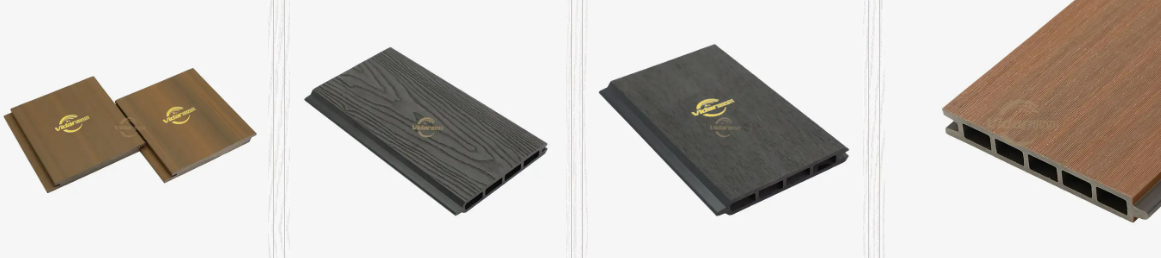
The foundation of any WPC panel lies in its wood fibers, which provide the traditional look and feel that many people desire for their outdoor fences. The wood fibers used in WPC panels come from a variety of sources, including sawdust, wood chips, and recycled wood from old furniture or construction debris. These fibers are finely processed and mixed with recycled plastics to create the WPC composite.
Using wood fibers in the composite mix is a crucial element in ensuring that WPC fences retain the aesthetic qualities of wood—such as texture and color—while benefiting from the enhanced durability and weather resistance of plastic. It is also an environmentally friendly option, as it reduces the need for virgin timber, which is a significant contributor to deforestation.
Additionally, wood fibers help the WPC material to be more flexible, allowing it to be shaped and molded into different designs and sizes. The use of wood fibers, combined with the plastic materials, also provides a much more robust material that is less prone to splitting, cracking, and warping when exposed to external elements like moisture, heat, or cold.
The second core component of WPC panels is recycled plastics, which give the material its strength and resilience. Typically, plastics like polyethylene (PE) and polypropylene (PP) are used in WPC panels because of their inherent properties such as resistance to moisture, UV degradation, and flexibility. Recycled plastics are sourced from a wide range of products, such as plastic bottles, packaging, and other post-consumer waste. This not only reduces plastic pollution but also decreases the overall environmental footprint of WPC products.
The plastic in WPC panels serves several important functions:
Water Resistance: Plastic ensures that the WPC fence panels are resistant to water, unlike traditional wood which can absorb moisture, leading to swelling, rotting, and deterioration.
Weather Resistance: WPC fences resist fading from UV rays, unlike wood, which can become discolored or weakened when exposed to prolonged sunlight.
Durability: The addition of plastic also makes WPC fences more durable and long-lasting. They are less likely to crack, splinter, or warp, making them a more reliable investment than traditional wooden fences.
By incorporating recycled plastic into WPC panels, manufacturers can create a material that is strong, durable, and able to withstand various environmental factors that would typically damage wood. This allows WPC fences to last longer, providing an excellent return on investment.
To improve the overall performance of WPC panels, several chemical additives are mixed into the composite during the production process. These additives are designed to enhance various aspects of the material’s properties, ensuring it performs optimally in a variety of weather conditions. Some of the key additives include:
UV Inhibitors: These additives protect the WPC panels from the damaging effects of UV radiation, preventing fading, cracking, and weakening of the material over time. The UV inhibitors help maintain the aesthetic quality of the fence for many years, even when exposed to the sun.
Mold and Mildew Resistant Agents: Mold and mildew growth can cause significant damage to traditional wood fences, especially in humid environments. To combat this, WPC manufacturers add mold and mildew-resistant agents that prevent the growth of fungi and bacteria, helping the fence stay clean and maintain its structural integrity.
Fire Retardants: In areas where fire safety is a concern, WPC fences can be treated with fire retardant chemicals to reduce the risk of combustion. These additives make the material less likely to catch fire, making it a safer choice for homes or businesses in wildfire-prone areas.
Anti-Fungal and Anti-Termite Agents: These additives make WPC fences more resistant to pests like termites and other wood-destroying insects, which are a significant problem for traditional wooden fences.
These chemical additives play an essential role in improving the performance of WPC panels, ensuring that the fences remain functional, beautiful, and safe for extended periods.
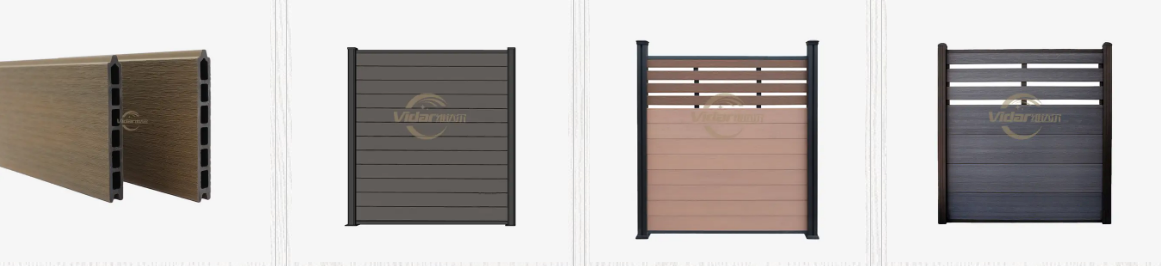
The co-extrusion process is a key method used to manufacture high-quality WPC fence panels. This process involves the blending of wood fibers and recycled plastics to form the core of the panel. The core material is then passed through an extruder, and a protective layer of plastic is applied to the surface of the panel. This co-extruded surface layer provides additional protection against the elements, ensuring that the WPC fence is not only durable but also resistant to fading and wear.
Co-extrusion offers several advantages over traditional extrusion processes:
Enhanced Durability: The co-extruded layer is typically made from a tougher plastic, offering increased resistance to wear and tear. It helps protect the fence from scratches, impacts, and dirt.
UV Resistance: The surface layer often includes UV inhibitors, which further enhance the fence's ability to resist sun damage.
Improved Aesthetic Appeal: Co-extrusion allows for greater customization in terms of color, texture, and finish. The surface layer can be molded to resemble natural wood grain, providing the fence with a more authentic look.
Co-extrusion ensures that the final WPC panel has a superior finish that is both functional and aesthetically pleasing, making it a popular choice for high-end fencing projects.
Traditional extrusion is another method used to manufacture WPC fence panels. In this process, the WPC mixture is fed into an extruder, where it is heated and forced through a mold to create the desired shape. Unlike co-extrusion, traditional extrusion does not include an additional protective surface layer. Instead, the surface of the panel is left exposed to the elements.
While traditional extrusion may not offer the same level of protection as co-extrusion, it still results in a durable and strong fence panel. These panels often have a more natural wood-like texture and are ideal for applications where the appearance of the material is more important than additional weather resistance.
One of the most significant advantages of WPC fence panels is their eco-friendliness. Made from recycled wood fibers and plastics, WPC fences help reduce the environmental impact associated with traditional wood and plastic products. By utilizing recycled materials, manufacturers decrease the demand for virgin timber, reducing deforestation and promoting more sustainable practices.
WPC materials are also fully recyclable at the end of their life cycle, contributing further to their sustainability. By choosing WPC fences, consumers can make an environmentally conscious decision that helps minimize waste and conserve resources.
Unlike traditional wooden fences, WPC fences require little maintenance. They do not need to be painted, stained, or sealed regularly to maintain their appearance. This makes WPC fences a time-saving and cost-effective solution for homeowners and businesses alike. WPC panels are resistant to moisture, rot, and insect infestations, which means that they do not need the same level of upkeep as traditional wood.
Additionally, WPC fences are easy to clean. A simple wash with soapy water or a mild detergent is often enough to restore the fence’s appearance, making it much easier to care for compared to wood, which can require more frequent treatments to preserve its appearance.
WPC fences are incredibly durable and designed to withstand the harshest weather conditions. Whether exposed to intense sunlight, heavy rain, or freezing temperatures, WPC panels maintain their strength and appearance. The combination of wood fibers and recycled plastics gives the material a unique ability to resist cracking, warping, and splintering, unlike wood which can deteriorate over time.
The inherent properties of WPC materials also make them resistant to pests like termites, which can cause significant damage to wooden fences. This further enhances the longevity of WPC fences, ensuring that they remain intact and functional for many years.
WPC fence panels are an excellent choice for residential applications, whether it’s for a garden, backyard, front yard, or patio. Their attractive wood-like appearance makes them a perfect addition to any outdoor space. Homeowners can use WPC fences to create privacy, enhance security, or simply add a touch of elegance to their property.
WPC fences can be customized in terms of height, color, and design, making them suitable for a wide variety of styles. Whether you are looking for a tall privacy fence or a decorative boundary for your garden, WPC fencing provides a stylish and sustainable solution.
WPC fences are also widely used in commercial and industrial settings. Their durability and strength make them an ideal choice for high-traffic areas, such as parking lots, commercial buildings, and industrial complexes. WPC fences are often used to enclose private properties, provide security, or create boundaries for outdoor spaces.
In addition to their practical benefits, WPC fences can also be used for branding and aesthetic purposes, offering businesses the opportunity to create an inviting environment while maintaining privacy and security.
As demand for sustainable and low-maintenance materials continues to grow, WPC fencing will likely continue to evolve. Innovations in material science are making WPC panels even more durable, customizable, and eco-friendly. The development of new surface treatments, colors, and textures will allow consumers to enjoy even more diverse options when choosing WPC fences.
In the future, WPC may become even more integrated into sustainable construction practices, with potential applications in other areas like cladding, roofing, and even furniture. As technology advances, the versatility and performance of WPC materials will expand, further cementing their place in the construction and landscaping industries.
WPC fence panels are an exceptional solution for anyone looking for a strong, durable, and eco-friendly fencing option. By combining wood fibers, recycled plastics, and chemical additives, WPC fences provide an aesthetically pleasing alternative to traditional wood fencing while offering superior performance and longevity. Whether for residential, commercial, or industrial use, WPC fence panels offer lasting value and functionality, making them a wise investment for anyone looking to enhance their outdoor space.
At Vidar Material Technology Co., Ltd., we are proud to offer high-quality WPC fencing solutions that meet the needs of our global customers. With over 60 automated production lines, a commitment to innovation, and a focus on sustainability, we provide the perfect balance of aesthetics, performance, and eco-friendliness in all our products.
What are WPC fence panels made of?
WPC fence panels are made from a combination of wood fibers, recycled plastics, and chemical additives to enhance performance.
How long do WPC fences last?
WPC fences are designed to last for many years, often outlasting traditional wooden fences without the need for regular maintenance.
Are WPC fences resistant to pests?
Yes, WPC fences are resistant to termites and other pests, making them a durable alternative to wooden fences.
Can WPC fences be customized?
Yes, WPC fences come in various sizes, colors, and finishes, allowing for customization to fit your specific needs.
Are WPC fences eco-friendly?
Yes, WPC fences are made from recycled materials, and they are fully recyclable at the end of their life cycle, making them an environmentally friendly choice.