Views: 0 Author: Site Editor Publish Time: 2026-01-30 Origin: Site


When it comes to fencing for your lawn, selecting the right material can significantly influence the aesthetic appeal, durability, and functionality of your outdoor space. Two of the most common choices are Wood Plastic Composite (WPC) fencing and traditional wood fencing. While both materials have their merits, they offer distinctly different benefits and limitations.
In this comprehensive guide, we’ll delve into a detailed comparison between WPC fencing and traditional wood fencing. By exploring aspects such as cost, maintenance, longevity, environmental impact, installation, and aesthetics, we aim to help you make an informed decision about which option is the better fit for your lawn and lifestyle.
For centuries, wooden fences have been the go-to solution for homeowners looking to define their property, enhance privacy, and add a touch of rustic charm to their gardens. Traditional wood fences are prized for their natural beauty and ability to blend seamlessly with a variety of landscapes.
Common wood materials used for fencing include cedar, redwood, and pine, each offering unique characteristics such as distinct grain patterns, rich colors, and resistance to insects. However, despite their aesthetic appeal, traditional wood fences come with a set of inherent drawbacks, primarily related to maintenance, durability, and susceptibility to weathering.
Wood Plastic Composite (WPC) fencing is a modern alternative that addresses many of the shortcomings of traditional wood fences. WPC is a composite material made from a blend of wood fibers (or sawdust) and recycled plastic. By combining the benefits of both materials, WPC fences offer durability, low maintenance, and a visually appealing wood-like finish without the vulnerabilities of traditional wood.
As the demand for sustainable and eco-friendly materials grows, WPC fencing has emerged as a popular solution for homeowners looking for both functionality and style. The addition of plastic not only improves the material's resistance to moisture and insects but also contributes to its low maintenance and long lifespan, making it an increasingly sought-after choice in modern landscaping.
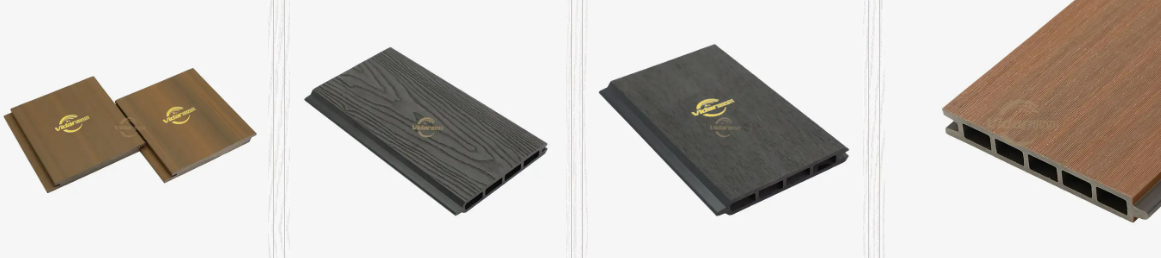
One of the most significant advantages of WPC fencing over traditional wood is its superior durability. WPC panels are specifically engineered to withstand the harshest weather conditions. The blend of wood fibers and recycled plastic makes the material resistant to moisture, preventing warping, rotting, and swelling that commonly affect wood fences exposed to rain or humidity.
Additionally, WPC fencing is resistant to UV degradation, meaning it won't fade or lose its color after prolonged exposure to the sun. This feature is particularly valuable for homeowners in regions with intense sunlight, as it helps maintain the fence’s visual appeal without the need for regular re-staining or re-painting.
WPC fencing also excels in areas prone to termite infestations, as the plastic content repels pests that typically damage traditional wood fences. The result is a fence that remains intact and aesthetically pleasing for many years.
Traditional wood fences, while offering a natural, timeless look, are far more susceptible to damage caused by the elements. Wood is inherently porous, which means it absorbs moisture easily. In areas with high rainfall or humidity, wooden fences can warp, crack, or rot, especially when untreated or improperly maintained.
Wood is also highly vulnerable to the sun’s UV rays, which cause the material to fade and become brittle over time. This results in the need for periodic staining, painting, or sealing to protect the fence from the sun’s harmful effects. Additionally, wood fences are more prone to pest damage, particularly from termites, which can compromise the integrity of the structure.
In regions where extreme weather is common, traditional wood fencing may require more frequent repairs and replacements compared to WPC fencing.
One of the primary reasons homeowners are turning to WPC fencing is its low-maintenance nature. Unlike wood, which requires constant care to prevent deterioration, WPC fences are virtually maintenance-free. The material does not need to be painted, stained, or sealed regularly, as it is resistant to weathering, fading, and water damage.
Periodic cleaning with mild soap and water is all that’s needed to keep WPC fences looking their best. In contrast to wood fences, which require annual upkeep to preserve their aesthetic and structural integrity, WPC fences save both time and money over their lifespan.
This lack of maintenance is especially beneficial for homeowners with busy schedules or those who prefer a “set-it-and-forget-it” solution for their garden fencing needs.
Wood fencing, while beautiful, requires significant upkeep to maintain its appearance and functionality. To protect against moisture, wood fences must be regularly sealed, stained, or painted. This maintenance schedule can be time-consuming and costly, particularly in climates with extreme weather conditions.
Wood fences also require inspection for signs of rot, insect damage, or splintering, and may need repairs or replacements of individual panels. Over time, the cost of maintaining a wooden fence can exceed the initial installation cost, especially if the fence is exposed to harsh elements or pests.
WPC fencing offers the best of both worlds when it comes to aesthetics. The material is designed to replicate the look of natural wood, offering the same texture and color variations that traditional wood provides. Whether you prefer a classic cedar look or a more modern finish, WPC fences are available in a variety of colors, textures, and finishes to suit your design preferences.
Moreover, WPC fencing offers customization options that are difficult to achieve with traditional wood fences. The material can be molded into various shapes and sizes, allowing for innovative designs that complement any garden style, from contemporary to rustic. Whether you're looking for a tall, solid privacy fence or a decorative, open-style fence, WPC provides the versatility to meet your specific needs.
Traditional wood fences have long been prized for their natural beauty. The grains, textures, and color variations found in wood make each fence unique. Wood also offers homeowners the flexibility to customize the design and finish. Whether opting for a picket fence, privacy screen, or split-rail style, wood provides a timeless aesthetic that never goes out of style.
However, as wood fences age, their appearance can deteriorate if not properly maintained. Wood fences are prone to fading, discoloration, and the development of mildew or mold. To preserve their original look, wood fences require regular maintenance to protect the material from weathering.
WPC fencing is an eco-friendly option that reduces reliance on virgin wood and minimizes plastic waste. The plastic used in WPC fences is often recycled from post-consumer waste, such as plastic bottles and packaging, which helps reduce the environmental burden of plastic production.
Additionally, the wood fibers used in WPC fencing are often sourced from wood waste or sawmill by-products, further contributing to the sustainable nature of the material. The production process of WPC fencing also consumes less energy compared to traditional wood fences, reducing its overall carbon footprint.
At the end of its lifespan, WPC fencing is fully recyclable, contributing to a circular economy and reducing landfill waste. For homeowners concerned about sustainability, WPC fencing offers an excellent balance of performance and environmental responsibility.
While wood is a renewable resource, traditional wood fencing can contribute to deforestation if not sourced responsibly. Many wood fences are made from virgin timber, which requires cutting down trees and utilizing significant resources for production. Even when sourced from sustainably managed forests, the carbon emissions associated with timber production can be higher than those from WPC manufacturing.
Furthermore, the chemicals used to treat and preserve wood, such as insecticides, fungicides, and preservatives, can have negative environmental effects if not disposed of properly. These chemicals may leach into the soil, potentially contaminating the surrounding ecosystem.
The initial cost of WPC fencing can be higher than that of traditional wood fencing, due to the advanced manufacturing processes and the use of recycled materials. However, the long-term savings associated with WPC fences outweigh the higher upfront cost. Since WPC fences require little to no maintenance, homeowners can save on the ongoing expenses of painting, sealing, and repairing wood fences.
Additionally, the durability and extended lifespan of WPC fencing mean that homeowners will not need to replace their fence as frequently as a wood fence. This long-lasting value makes WPC fencing a smart investment in the long run.
Traditional wood fencing is typically more affordable upfront compared to WPC fencing. However, the cost of maintenance—staining, painting, sealing, and repairing—can add up over time. Additionally, wood fences are more likely to need replacement sooner than WPC fences, especially in harsh climates. As a result, the total cost of owning a wood fence can exceed that of a WPC fence over its lifespan.


Both WPC and traditional wood fencing offer unique benefits and aesthetic appeal. However, when considering long-term durability, low maintenance, environmental impact, and cost-effectiveness, WPC fencing emerges as the superior option for most homeowners. The material's ability to resist weathering, pests, and UV degradation without the need for frequent upkeep makes it an ideal solution for those looking for a hassle-free and sustainable fencing choice.
At Vidar Material Technology Co., Ltd., we specialize in offering high-quality WPC fencing products that combine innovation, performance, and aesthetic beauty. Our WPC fences are designed to meet the diverse needs of our customers, providing lasting value and environmentally friendly solutions that enhance the look and functionality of your outdoor space.
What is the difference between WPC fencing and traditional wood fencing?
WPC fencing is made from a blend of wood fibers and recycled plastic, offering superior durability, low maintenance, and resistance to environmental factors. Traditional wood fencing, while natural, requires more maintenance and is more susceptible to damage from weather and pests.
How long does WPC fencing last compared to wood fencing?
WPC fencing can last 20-25 years or more with minimal maintenance, while wood fencing typically lasts 10-15 years, depending on climate and upkeep.
Is WPC fencing eco-friendly?
Yes, WPC fencing is made from recycled materials and is fully recyclable at the end of its life cycle, making it an environmentally sustainable option.
Does WPC fencing require a lot of maintenance?
WPC fencing requires very little maintenance. Unlike wood, it does not need to be painted, stained, or sealed and is resistant to pests, moisture, and UV degradation.
Is WPC fencing more expensive than traditional wood?
WPC fencing is generally more expensive upfront, but the long-term savings on maintenance and replacement make it a more cost-effective option in the long run.