Views: 0 Author: Site Editor Publish Time: 2026-10-24 Origin: Site


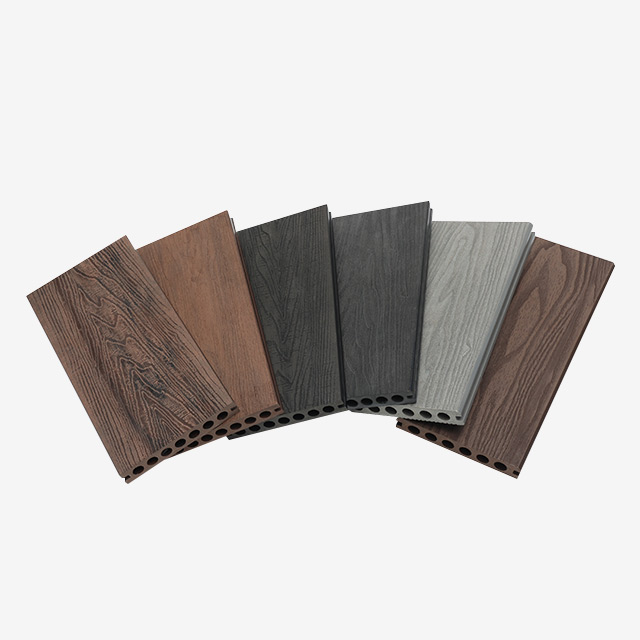
How much weight can WPC Decking safely support without bending or failing? The answer depends on board design, joist spacing, and installation quality. This guide explains load capacity, structural strength, and testing methods. Learn how to compare profiles and choose suitable decking for your project.
Board dimensions influence how WPC decking responds to bending. Thickness, width, wall thickness, and internal geometry all affect stiffness. A deeper profile may resist bending differently from a shallow profile. However, dimensions alone cannot establish an allowable load. Material properties and the distance between supports also matter.
Hollow boards contain cavities that reduce material use. Their internal ribs and wall thickness influence how forces move through the profile. Solid boards have a different cross-section and may perform differently under similar conditions. Buyers should compare the exact board designs rather than assume one type always carries more weight.
The effective span between joists is especially important. Even a well-made board may deflect excessively if the supports are too far apart. A board tested over a short span cannot automatically be approved for a longer span. Product data should state the relevant test conditions and installation requirements.
When comparing WPC decking weight capacity, review the complete technical specification. Check board dimensions, profile drawings, recommended support spacing, and any available load-test results. For commercial projects, confirm that the selected board meets the intended design loads. If the application involves heavy equipment or elevated structures, a qualified professional should assess the full system.
WPC decking commonly combines wood-based fibers with thermoplastic materials and selected additives. The proportions and quality of these ingredients affect the finished composite. Manufacturing conditions also influence consistency between boards. Products with similar appearances may therefore have different mechanical properties.
The wood component contributes to the composite structure, while the polymer binds the material. Additives may support processing, color stability, or other product characteristics. Their exact effects depend on the formulation. Buyers should not infer strength from a general material description alone.
Manufacturing quality matters because inconsistent mixing or profile formation can affect board uniformity. Dimensional variation may also complicate installation and load distribution. A reliable assessment should consider the finished product rather than relying only on the listed ingredients.
Ask suppliers for product-specific technical information and relevant test documentation. Confirm that the evidence applies to the exact profile being purchased. If the deck must support a defined load, request clarification on the test method, support span, and acceptance criteria. This approach gives purchasing teams a more dependable basis for comparison.
Hollow and solid boards differ in internal structure, weight, and material use. Hollow profiles may be easier to handle because they often weigh less than comparable solid profiles. Their cavities and internal ribs influence stiffness and local load response. Solid profiles contain more material across the cross-section, but this does not guarantee greater allowable capacity in every design.
Board dimensions must also be considered. A thick hollow profile may behave differently from a thin solid board. The polymer formulation, manufacturing quality, and support spacing can change the result. Buyers should therefore avoid selecting a profile based only on its weight or appearance.
For outdoor projects, compare installation requirements as well as structural data. Check joist spacing, board-end support, fastener compatibility, and permitted applications. Where heavy loads are expected, request evidence that matches the intended installation conditions. Do not use general comparisons as a substitute for product-specific verification.
Board span is the unsupported distance between adjacent supports. As the span increases, bending and deflection may also increase under the same loading conditions. Shorter spans generally reduce the distance over which a board must carry a load. However, the correct spacing depends on the product's design and verified requirements.
A deck installed over widely spaced joists may feel less stable. Excessive deflection can affect comfort, connections, and long-term performance. A board's published test result is useful only when the test span and loading conditions are understood.
Contractors should follow the manufacturer's specified joist spacing. They should also provide support at board ends and joints according to the installation system. If the deck will carry unusual loads, the support layout should be reviewed before construction begins.
Board strength describes how an individual board responds to loading. Complete deck capacity depends on the entire load path. This includes the decking boards, joists, beams, connections, anchors, posts, and underlying structure. The weakest or most limiting component may control the overall capacity.
For example, strong decking boards cannot compensate for undersized joists. Secure boards also cannot make an unstable subframe safe. Each component must suit the expected load and installation conditions. This distinction is essential for raised decks, commercial walkways, and other structures where failure could cause injury.
Buyers should establish whether the project needs product-level test data, structural calculations, or both. A board's load rating should never be treated as the capacity of the finished deck unless the supporting system has also been assessed.
Outdoor conditions can influence WPC decking over time. Temperature changes cause many composite boards to expand and contract. Moisture exposure, sunlight, and aging may also affect product behavior. The extent depends on the formulation, surface design, installation method, and local climate.
Thermal movement becomes especially important on long runs. Insufficient expansion gaps may create pressure between boards and fixed structures. Incorrect fastening can restrict movement or place stress on connections. Installers should follow the specified clearances and fastening instructions.
Exposure conditions should also guide product selection. Buyers working on open terraces or commercial walkways should confirm the product's intended application. Where long-term structural performance is important, request relevant technical information rather than relying on broad weather-resistance claims.
Tip: Compare board dimensions, test spans, and installation instructions before judging structural capacity.
Static load refers to a load that remains relatively steady during the test or use period. Distributed load spreads across a larger surface area. Examples include people standing across a platform or furniture resting on several contact points. The load is often expressed as force per unit area, such as kilonewtons per square meter.
A concentrated load acts over a smaller area. A heavy table leg or equipment foot can create significant local stress even when the total weight appears manageable. The board may respond differently to this load than it does to a uniformly distributed load.
Buyers should identify the type of loading expected in the project. A residential patio may have different demands from a restaurant terrace or public walkway. Ask whether the available test data covers the relevant load arrangement. Do not compare results from different test methods without understanding their limitations.
Point loads can place concentrated pressure on a small section of a board. The result depends on the contact area, board profile, support position, and material properties. A load applied directly above a joist may behave differently from one placed midway between supports.
Furniture legs, planters, and equipment feet deserve attention during project planning. Protective pads can spread contact pressure in some situations, but they do not replace structural verification. Heavy objects may require dedicated supports or a separate load-bearing base.
Before installing heavy equipment, confirm the expected load and its distribution. Ask a qualified professional to review the structure where necessary. This is especially important for elevated decks and installations where a structural failure could cause injury.
Deflection describes how far a board or structure moves under a load. Bending describes the change in shape caused by that load. Some movement may occur without immediate failure, but excessive deflection can affect comfort, stability, and service performance.
A useful test report should identify the support span, applied load, measurement method, and recorded deflection. Buyers should also check whether the report describes permanent deformation or failure after loading. These details help distinguish stiffness from ultimate strength.
The acceptable deflection depends on the product, design requirements, and applicable standards. There is no single value suitable for every WPC decking installation. Project teams should use verified criteria rather than inventing a general limit.
Request test documentation that identifies the exact product and profile. It should explain the specimen dimensions, test setup, support span, loading arrangement, and results. If a report covers a different board size, its findings may not apply directly to the selected product.
Where relevant, ask for bending strength, stiffness, deflection, or other structural test results. Check the testing organization and the method used. Confirm whether the results represent a single sample or a broader production assessment.
For regulated or high-load projects, involve the project engineer when interpreting the evidence. Product test results support the design process, but they do not automatically establish the capacity of the finished deck.
Tip: A test result is meaningful only when its loading conditions match the intended application.
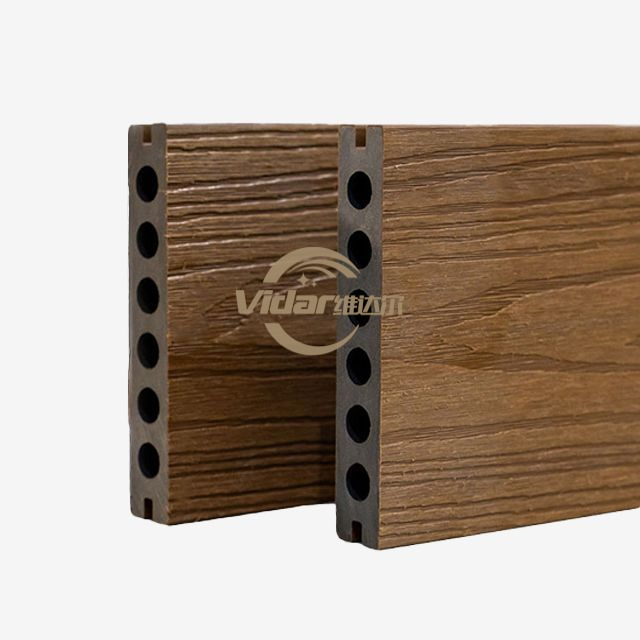
Joist spacing determines how far each board spans between supports. Reducing the span generally limits bending and deflection under comparable loads. Increasing the span can raise stress and movement, depending on the board design.
However, closer spacing is not a universal substitute for correct structural design. Joists, fasteners, and the supporting structure must also carry the required loads. A sound layout considers all components together.
Use the manufacturer's installation instructions as the starting point. Confirm that the recommended spacing applies to the selected profile and expected application. If the project involves heavier loads than ordinary pedestrian use, request additional technical guidance.
Different WPC decking profiles may require different support spacing. Thickness, internal ribs, material formulation, and board orientation can all influence performance. The installation instructions should identify the permitted arrangement for the selected product.
Avoid applying one spacing measurement to every board in a supplier's range. A hollow profile and a solid profile may not share the same limits. Changes in board length or installation direction may also affect support placement.
Before ordering, ask the supplier to confirm the recommended spacing in writing. Compare that recommendation against the relevant test conditions and project requirements. Keep the final installation instructions available to the contractor.
Board ends, butt joints, corners, steps, and perimeter details often require specific support arrangements. Each connection should follow the selected installation system. Unsupported ends may move independently or experience higher local stress.
Installers should check the support layout before fixing the boards. They should also confirm that fasteners have adequate backing and that the subframe remains aligned. Where the design includes unusual cuts or openings, additional framing may be needed.
Do not assume that a standard support pattern covers every detail. Follow the product instructions and project drawings. For complex layouts, obtain technical review before construction proceeds.
The subframe transfers loads from the decking boards to the main structure. Its joists, beams, anchors, and connections must suit the design loads and environmental conditions. A weak connection can limit performance even when the boards themselves are adequate.
Material compatibility also matters. Outdoor moisture can affect some support materials and fasteners. Corrosion resistance, fixing strength, and suitable connection details should be considered for exposed installations.
Inspect the subframe before installing the boards. Confirm its dimensions, spacing, stability, and anchoring. For raised or commercial structures, a qualified professional should verify the structural design where required.
Tip: Confirm support spacing and connection details before purchasing boards for a high-load application.
Residential decks commonly support people, outdoor furniture, planters, and everyday household activities. The actual design load depends on the deck's location, intended use, and local building requirements. A ground-level patio may have different structural needs from an elevated balcony.
Buyers should identify both distributed and concentrated loads. Heavy planters can apply substantial pressure over a small footprint. Large furniture may spread its weight across several legs. These differences affect how the board and subframe respond.
Do not rely on a generic online weight limit. Check the selected product's documentation and the structure's design. For raised decks, balconies, and other load-bearing structures, a qualified professional should assess the complete assembly.
Commercial decking may experience frequent pedestrian traffic, outdoor dining, movable furniture, and maintenance equipment. Public access can also introduce stricter safety and building requirements. Buyers should identify the intended occupancy and expected activities before choosing a profile.
A restaurant terrace, hotel walkway, and public viewing platform may have different design conditions. Product selection should account for the expected load, support arrangement, surface requirements, and exposure. The subframe and connections must also suit the project.
Ask the supplier for product-specific technical information. Give the project engineer the board dimensions, profile drawings, and installation instructions. This helps the team assess whether the proposed system meets the project's structural requirements.
Heavy furniture and equipment can create concentrated loads. Their weight, contact area, and position all affect the local pressure on decking boards. A small equipment foot may apply more pressure per unit area than a much larger object.
Check whether the load sits directly above a support or between joists. Confirm the load distribution and whether the board system permits the intended use. If necessary, the design may require additional framing or an independent support base.
Do not assume that spreading the load with a pad makes every installation safe. The board, subframe, connections, and underlying structure must still be suitable. Obtain professional review for equipment installations that exceed ordinary pedestrian use.
Hot tubs can impose substantial loads from the tub, water, and occupants. Heavy planters may also create high local pressure, especially when filled with wet soil. Neither application should be approved using a general WPC decking weight limit.
A qualified structural professional should calculate the total load and assess its distribution. The review must include the joists, beams, posts, connections, and foundation. An independent support base may be necessary for certain installations.
Buyers should provide the project team with the equipment specifications and proposed layout. The decking manufacturer's data can inform the assessment, but it cannot replace structural calculations. Do not install a heavy hot tub on an existing deck without confirming its capacity.
Tip: Heavy equipment requires project-specific structural review, not an assumed board weight limit.
Hollow WPC decking contains internal cavities that reduce material use. The cavity shape, wall thickness, and internal ribs influence how the board carries loads. Two hollow boards with similar outside dimensions may therefore have different structural behavior.
A well-designed profile can balance material efficiency and stiffness. However, the number or size of cavities alone cannot establish load capacity. Material properties, manufacturing consistency, and support spacing also affect the result.
Buyers should request a profile drawing and the relevant test data. Confirm that the tested product matches the intended dimensions. If structural capacity is critical, ask the supplier to explain the applicable support limits and loading conditions.
Solid boards may suit applications where their dimensions and verified performance meet the project requirements. Their cross-section differs from hollow profiles, which can affect weight, handling, and bending behavior. Greater material content does not automatically guarantee a higher allowable load.
The choice should reflect the actual installation. Consider the intended traffic, support spacing, fastening system, and environmental exposure. Solid boards may also affect transportation costs and handling requirements because of their weight.
Compare the complete specifications before making a decision. If the application involves elevated structures or unusual loads, request structural review. The selected product must meet the design requirements rather than relying on its solid construction alone.
Compare reports that use equivalent dimensions, support spans, and loading methods. Check whether the tests measure bending strength, stiffness, deflection, or another property. These measurements describe different aspects of structural behavior and should not be treated as interchangeable.
Review the test specimen's profile and material specification. Confirm the reported conditions and the criteria used to judge performance. A result from one board design should not automatically be applied to another.
For procurement, keep the reports alongside the product quotation and approved sample. This makes it easier to verify that the delivered goods match the evaluated specification. Where project safety depends on the results, have the technical evidence reviewed by a qualified professional.
No. Board weight indicates the amount of material, not its complete structural performance. Internal geometry, material stiffness, profile dimensions, and support spacing can all influence how the board behaves under load.
A lighter hollow board may perform adequately within its approved span limits. A heavier board may still deflect excessively if it is installed over supports that are too far apart. Neither conclusion can be reached from weight alone.
Buyers should compare relevant test results and installation instructions. Check the actual profile rather than relying on product names or broad marketing claims. For demanding applications, use verified data and structural calculations.
Tip: Compare equivalent profiles and test conditions instead of selecting boards by weight alone.
Excessive joist spacing leaves a longer unsupported span beneath each board. Under load, the board may bend more than intended. Repeated movement can affect comfort and place additional stress on fasteners and connections.
The correct spacing depends on the board profile and installation requirements. Contractors should not copy a spacing value from a different product. Even boards with similar dimensions may have different internal designs and approved spans.
Before installation, mark the support positions and check them against the product instructions. Inspect the layout before fixing the boards. If the proposed spacing differs from the manufacturer's requirements, obtain technical approval rather than proceeding on assumption.
Board ends and joints can experience localized stress. If an end is unsupported, it may move under foot traffic or other loads. This can create uneven surfaces and increase pressure around nearby fasteners.
Follow the manufacturer's requirements for end joints and edge details. Some systems require dedicated support or particular fixing positions. Cut boards carefully and ensure their ends rest on the intended support structure.
Inspect joints during installation and before handover. Check for movement, uneven alignment, and missing fixings. Correcting these issues early can reduce later repair work.
Fasteners connect the boards to the supporting structure. Incompatible clips or screws may fail to hold the boards as intended. Incorrect fixing positions can also restrict movement or weaken the connection.
Overtightening may damage the board or interfere with the fastening system. Loose fixings can allow movement and noise. The correct method depends on the product design and the manufacturer's instructions.
Use compatible fasteners and follow the specified installation procedure. Do not substitute components without checking compatibility. For commercial projects, record the fastening system used so maintenance teams can identify suitable replacement parts.
WPC decking expands and contracts as temperatures change. If installers leave insufficient clearance, boards may press against adjacent boards or fixed structures. This can contribute to buckling, raised edges, or joint problems.
Drainage is equally important. Debris and standing water can affect the installation environment and may create maintenance issues. The space beneath the boards should provide the drainage and ventilation required by the product design.
Follow the manufacturer's gap requirements and site-specific drainage plan. Check the deck after installation for blocked channels and restricted clearances. These simple checks help protect the complete decking system.
Tip: Use the selected product's installation guide as the reference for gaps, fasteners, and support spacing.

Buyers should request the exact board dimensions, profile drawing, material information, and installation instructions. The documents should identify the product clearly. They should also state the recommended support spacing and any relevant application limits.
If the project requires a defined load performance, request supporting test documentation. Check whether the report covers the same board profile and dimensions. Ask the supplier to explain any unclear values or limitations.
For overseas purchasing, keep the approved specification attached to the quotation and purchase order. This helps prevent substitutions that may affect structural performance. It also gives the receiving team a reference for checking delivered products.
A useful report identifies the test method, specimen dimensions, support span, and loading arrangement. It should also describe the measured results and any relevant failure criteria. Without these details, buyers may struggle to determine whether the data applies to their project.
Check whether the report measures maximum load, bending strength, stiffness, or deflection. These are different results and cannot be substituted for one another. Confirm the testing organization and whether the report relates to the exact product being quoted.
When interpreting the results, consider the intended installation conditions. A test on a short span may not represent a longer installation. For safety-critical applications, have the report reviewed by a qualified engineer.
Samples can reveal visible defects, inconsistent dimensions, surface damage, and irregular profile formation. They are useful for confirming appearance and basic product consistency. However, a visual inspection cannot establish the allowable load.
For larger orders, agree on measurable quality criteria before production. These may include dimensions, acceptable tolerances, surface finish, and product identification. Ask how the supplier checks consistency during manufacturing.
Inspect delivered goods against the approved sample and specification. If the order involves multiple batches, record the product codes and production details. This helps buyers identify discrepancies and discuss them with the supplier.
Ask the supplier to confirm the recommended joist spacing, permitted applications, and compatible fastening system. Request technical documents that match the selected profile. If the project includes heavy loads, explain the intended use and ask which supporting data is available.
Buyers should also confirm product availability, order quantities, production lead times, and packaging. For international projects, clarify delivery arrangements and the documents provided before shipment. These details help procurement teams coordinate the technical and commercial sides of an order.
Vidar Material Technology Co., Ltd. offers WPC building products for different applications. Buyers can review its WPC product information and confirm which specifications are available for their project. Where the application requires structural performance, request product-specific decking documentation rather than relying on unrelated wall-cladding specifications.
Tip: Include the intended load, board profile, and support spacing in your supplier inquiry.
WPC decking weight capacity depends on board design, joist spacing, materials, and installation quality. Verified test data helps buyers assess structural safety. Vidar Material Technology Co., Ltd. offers WPC products for outdoor projects, helping buyers compare suitable profiles and specifications.
A: Board profile, material composition, joist spacing, and installation quality.
A: Static load tests assess bending, deflection, and structural performance.
A: Strength depends on profile design, materials, and tested performance.
A: Shorter spans generally reduce bending and deflection.
A: Professional structural calculations are essential before installation.