Views: 0 Author: Site Editor Publish Time: 2026-10-24 Origin: Site


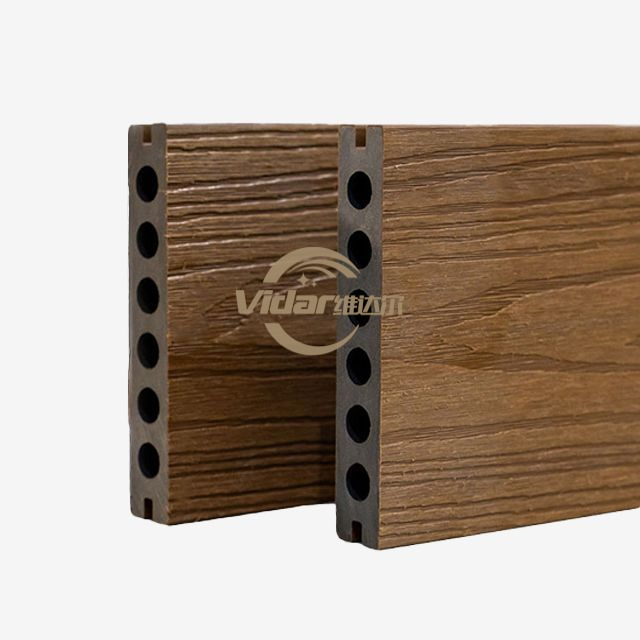
Is WPC decking the right choice for your outdoor space? WPC Decking offers low maintenance and wood-like finishes, but it also has limitations. This guide explains its pros and cons, durability, heat retention, and costs. Learn how to choose the right decking for your project.
One major advantage of WPC decking is its relatively simple maintenance routine. Many products do not require the regular staining or sealing associated with traditional timber. Routine cleaning can remove surface dirt and everyday debris. This can reduce maintenance work for busy households and commercial property managers. Composite boards also come in various colors, profiles, and wood-look finishes. Buyers can choose a style that matches their outdoor design.
Moisture resistance is another potential benefit. The plastic component helps reduce water absorption compared with many untreated wood products. However, actual performance depends on the formulation, surface construction, and board design. WPC decking can suit patios, garden paths, terraces, and selected commercial outdoor areas. Correct support and drainage remain essential for reliable use.
For property operators, the main value may come from reduced routine upkeep. Less frequent surface treatment can simplify maintenance planning. Yet buyers should compare actual care requirements rather than assume every product needs no maintenance. Some surfaces still require regular cleaning and inspection. Product-specific guidance remains the best reference for suitable care methods.
The initial price can be higher than that of some basic timber products. The final cost also includes the subframe, fasteners, edge trims, labor, and transportation. A lower board price does not always mean a cheaper finished deck. Buyers should compare complete installation costs before choosing a material.
Heat retention can create another limitation. Dark boards exposed to direct sunlight may become uncomfortable underfoot. Surface temperatures depend on color, material composition, weather, and shade. WPC decking can also experience thermal expansion. Installers must follow the specified gaps and fastening instructions. Poor support or incorrect fixing can contribute to movement, distortion, or other defects.
Some products may change color after prolonged outdoor exposure. Surface damage can also occur through impact, abrasion, or unsuitable cleaning methods. Repairing a damaged board may require a compatible replacement. Buyers should consider these risks alongside the benefits of lower routine maintenance.
Outdoor performance depends on the combined effects of sunlight, rain, temperature changes, and daily use. A suitable WPC product can work well in many outdoor settings. However, it still needs proper installation and regular care. Water should drain freely beneath and around the deck. The supporting structure must also meet the manufacturer's requirements.
Foot traffic affects product selection. A private garden may have different demands from a restaurant terrace or public walkway. Buyers should check the board's intended application, support spacing, and available performance data. They should also consider furniture loads, cleaning methods, and exposure to standing water.
The best way to assess performance is to examine product-specific evidence. Request technical specifications and relevant test reports where necessary. Avoid relying only on broad claims such as weatherproof or maintenance-free. These terms do not replace measurable product information.
WPC decking may suit homeowners who want a wood-like outdoor surface with fewer routine treatments. It can also appeal to property managers who need predictable cleaning and maintenance procedures. Hotels, restaurants, garden developments, and selected commercial projects may benefit from the range of available finishes.
For distributors and contractors, product consistency is another consideration. Standardized dimensions and clear installation guidance can help simplify purchasing and site planning. However, buyers should confirm availability, lead times, and accessory compatibility before committing to a project.
WPC decking may not suit buyers who prioritize the lowest initial material cost. Some projects may also require the appearance, repair methods, or structural characteristics of natural timber. In very hot locations, exposed decks may need careful color selection and shade planning. Poor drainage or unsuitable support structures can also make installation difficult.
Buyers should assess these conditions before selecting the product. If the site has unusual loads or demanding safety requirements, seek professional guidance. A different decking material may be more appropriate when the project requirements cannot be met.
No. WPC products differ in formulation, board profile, surface treatment, and manufacturing quality. Hollow boards use a different internal structure from solid boards. Co-extruded products add an outer layer, which may provide additional surface protection depending on the design. These differences affect weight, installation, appearance, and potential maintenance needs.
Buyers should compare the complete specifications before choosing. Similar-looking boards may have different support requirements or fastening systems. Vidar offers several WPC product categories, but each product should be evaluated against its intended application. The correct choice depends on the project rather than the product label alone.
Tip: Request samples and product-specific specifications before approving materials for a large project.

WPC decking contains plastic and wood fibers, so its moisture response differs from natural timber. The plastic component can reduce water absorption, while the composite structure can help limit some problems associated with damp wood. However, the degree of protection depends on the formulation, manufacturing process, and board design. Not every WPC product offers the same resistance to moisture.
Traditional timber can absorb water and may require protective treatments. Prolonged dampness can contribute to decay, especially when drainage and ventilation are poor. WPC decking can reduce some routine treatment needs, but it does not eliminate the need for good site design. Water can still collect beneath poorly installed boards. Dirt can also accumulate in joints and drainage channels.
For outdoor projects, check how the product is intended to be used. Review the manufacturer's guidance for ground clearance, subframe materials, and drainage. Ask for relevant test data if the project involves frequent water exposure. Poolside and riverside applications need particular attention because the surrounding environment may remain wet for long periods.
Sunlight can affect the color and surface temperature of WPC decking. Ultraviolet exposure may cause some products to fade over time. The extent of color change depends on the formulation, pigments, surface layer, and exposure conditions. Buyers should request product-specific evidence when color retention is important.
Temperature changes also affect board dimensions. WPC decking may expand when temperatures rise and contract when they fall. Installers must follow the specified end gaps, perimeter clearances, and fastening methods. Boards should not be tightly trapped between rigid structures unless the installation system permits it.
These requirements are especially important for long decks and exposed commercial walkways. Small installation errors can accumulate across a large surface. Contractors should check the installation temperature and follow the manufacturer's spacing instructions. Proper planning helps reduce the risk of buckling, joint pressure, and uneven edges.
Yes, WPC decking can develop defects under unsuitable conditions. Excessive deflection may occur when support spacing exceeds the product's requirements. Warping or buckling can result from restricted expansion, poor fastening, or unsuitable installation details. Impact, abrasion, and long-term weather exposure may also affect the surface.
These problems do not occur equally across all products. Board composition, profile design, and manufacturing consistency matter. Buyers should review specifications and avoid comparing products solely by thickness or appearance. A board with a larger profile is not automatically suitable for heavier loads.
Color changes may also occur after prolonged outdoor exposure. Ask whether the manufacturer provides relevant weathering information or color-retention data. During installation, inspect boards for damage and keep the supporting structure aligned. Routine checks can help identify loose fasteners, blocked drainage, and other issues before they become more serious.
Regular cleaning is the foundation of WPC decking maintenance. Remove leaves, dust, and other debris before they accumulate in joints. Use cleaning methods approved by the manufacturer. Avoid harsh chemicals or abrasive tools unless the product instructions specifically permit them.
Inspect the deck periodically for loose fixings, damaged edges, and uneven transitions. Check drainage channels and the space beneath the boards where access is possible. High-traffic areas may need more frequent inspection than lightly used garden spaces. After severe weather, an additional check may help identify problems early.
Keep the original product specifications and installation records. These documents help maintenance teams identify compatible replacement boards and approved repair methods. If a board becomes damaged, confirm the replacement dimensions and surface finish before ordering. A consistent maintenance plan helps property owners manage upkeep without assuming that WPC decking is maintenance-free.
Tip: Moisture resistance does not replace proper drainage, ventilation, or routine inspection.
Traditional timber often needs periodic sealing, staining, or protective treatment. The exact schedule depends on the wood species, climate, surface finish, and exposure. WPC decking generally avoids some of these recurring treatments. Routine cleaning and inspection are still necessary, especially in outdoor environments.
For commercial property managers, maintenance frequency can influence operating costs. A large deck may require staff time, access equipment, and temporary restrictions during treatment. WPC decking may simplify these tasks, but the savings depend on the selected product and site conditions. Some composite surfaces require specific cleaning methods or additional care.
When comparing materials, estimate the expected maintenance schedule over the intended service period. Include cleaning, inspections, surface treatments, and likely repairs. Avoid assuming that every timber deck requires extensive treatment or that every composite deck requires almost none. Product and site conditions should guide the comparison.
The initial material price depends on the wood species, WPC formulation, board profile, and finish. Some basic timber boards cost less than composite products. Premium hardwoods, however, can be more expensive than certain WPC options. Local availability and transportation can also affect the price.
The material quote is only one part of the project budget. Both materials may require supporting joists, fasteners, edge details, and professional installation. WPC decking may need compatible clips or specific screw systems. Timber may require other fixings or protective treatments. Compare the complete bill of materials rather than individual board prices.
For a fair comparison, use the same deck area and similar design requirements. Include expected cutting waste, delivery, and installation labor. Then estimate maintenance costs using realistic assumptions. This provides a more useful picture than comparing one board price against another.
WPC decking can reduce moisture absorption compared with many untreated timber products. However, performance depends on the exact composite formulation and board construction. Timber species, treatment, and protective coatings also affect moisture resistance. It is therefore inaccurate to claim that one material always performs better in every setting.
Drainage remains essential for both materials. Water trapped beneath a deck can create maintenance problems and affect the supporting structure. Timber may be vulnerable to decay under prolonged damp conditions. Composite boards can also experience problems if installed outside their specified conditions.
Buyers should check product-specific information for exposed sites. Consider rainfall, ground clearance, ventilation, and the frequency of cleaning. For areas near pools or rivers, ask suppliers for relevant moisture and weathering data. Select the material according to documented performance and installation requirements.
Natural timber has grain patterns and color variations that many buyers value. Its appearance can also change over time as it weathers. Some owners prefer this natural aging process, while others want a more consistent surface.
WPC decking offers a range of colors, textures, and wood-look finishes. Embossed surfaces can imitate aspects of timber grain, although the appearance varies by product. Some boards use co-extruded surface layers, while others have a more uniform composite finish. Samples help buyers assess the color, texture, and visual quality in person.
For commercial projects, consider how the finish works with the building and surrounding landscape. Check several boards together rather than judging a single sample. Confirm the expected color variation and ask whether future orders can match the original batch. The preferred choice depends on the design, maintenance plan, and project budget.
WPC decking can become hot in direct sunlight, particularly during warm weather. Surface temperature depends on solar exposure, color, material composition, airflow, and surrounding surfaces. Darker colors often absorb more solar energy than lighter colors, although actual results vary by product. Buyers should not assume every composite board reaches the same temperature.
This issue matters for poolside areas, barefoot walkways, and open terraces. A deck that feels comfortable in the morning may become much hotter during peak afternoon sun. Shade and ventilation can improve comfort, but they do not guarantee a specific surface temperature.
If heat is a major concern, request relevant product data or arrange a sample assessment under realistic conditions. Consider the intended users and the hours of greatest exposure. These steps are more reliable than choosing a product based on color descriptions alone.
Color is one factor to consider when selecting outdoor decking. Lighter shades may absorb less solar energy than darker shades under similar conditions. However, pigments, surface construction, and the surrounding environment can influence the result. The actual temperature difference should be verified where comfort is critical.
Surface texture also affects the appearance and feel of the deck. Embossed or brushed finishes may provide a different underfoot experience from smooth surfaces. Texture alone does not prove that a board offers suitable slip resistance. Buyers should review relevant test information if the project has specific safety requirements.
Ask for samples in the preferred colors and finishes. Evaluate them in the intended location where practical. For commercial projects, consider shade structures, umbrellas, and landscape design alongside the decking choice.
Site planning can reduce direct sun exposure. Trees, canopies, and pergolas may provide shade over selected areas. Good ventilation also helps the space feel less enclosed, although it does not necessarily lower the board's surface temperature substantially.
Color selection should reflect the site's climate and intended use. Where people frequently walk barefoot, such as around pools, surface-temperature evidence is particularly valuable. Buyers should also consider seating locations and routes used by children or older visitors.
Do not rely on a generic temperature claim without product-specific evidence. If the site experiences extreme heat, compare several suitable materials before deciding. The final selection should balance appearance, maintenance, safety, and comfort.
WPC decking can be considered for poolside projects when the selected product meets the site's requirements. Buyers should evaluate drainage, wet-foot traffic, surface texture, and cleaning methods. They should also check the fastening system and the support structure beneath the boards.
Slip resistance requires particular care. A textured surface is not automatically slip-proof, and performance may change when the surface is wet or contaminated. Request relevant test results and verify any local requirements before specifying the product.
Vidar offers anti-UV capped WPC decking for poolside installations. Buyers can review the product details as part of their comparison. Confirm its dimensions, installation requirements, and applicable performance evidence before placing an order.
Tip: For hot climates, assess color, shade, and verified surface-temperature data before choosing decking.

Hollow WPC decking uses internal cavities to reduce the amount of material in each board. This design can reduce weight and make handling easier during transportation and installation. It may also offer a practical option for projects where board weight and material efficiency matter. However, the actual benefits depend on the profile design and the manufacturer's specifications.
Hollow boards still require suitable support and fastening. Their internal structure does not automatically make them suitable for every load or installation environment. Contractors should follow the recommended joist spacing and provide proper support at board ends. They should also avoid damaging the board structure during cutting and fixing.
For buyers, price comparisons should include board dimensions, effective coverage, accessories, and installation requirements. A lower board price may not result in lower project costs if additional support or special accessories are needed. Check the full specification before deciding.
Solid WPC decking contains more material across its cross-section than a comparable hollow profile. It may suit applications where the product's specified characteristics match the design requirements. However, solid construction alone does not prove greater load capacity or longer service life. Those properties depend on the formulation, dimensions, manufacturing quality, and approved installation method.
Solid boards may weigh more and require different handling arrangements. Their material usage can also affect the unit price. Buyers should consider transportation, installation labor, support spacing, and structural requirements when comparing them with hollow boards.
For commercial or elevated decks, consult the relevant technical specifications and structural design. Do not choose a solid profile solely because it appears stronger. The selected product must meet the project's actual loading and safety requirements.
Co-extruded WPC decking typically has an additional outer layer applied during manufacturing. Depending on the product design, this layer may improve resistance to certain types of staining, moisture exposure, or surface wear. It can also provide a more consistent surface finish. Actual performance varies, so buyers should check the manufacturer's documentation.
Standard composite boards may offer a lower initial price. They can still suit projects where their specifications meet the intended conditions. Co-extruded products may be worth considering when surface protection or appearance is a higher priority. The additional cost should be assessed against verified benefits rather than assumed advantages.
Vidar offers co-extruded WPC decking for riverside walkways. Buyers can compare its published specifications with other suitable profiles. Confirm the installation requirements and relevant performance data before selecting a product for a moisture-exposed site.
The right profile depends on the intended application, installation conditions, and budget. Garden paths may prioritize appearance and straightforward maintenance. Commercial walkways may require particular attention to foot traffic, support spacing, and inspection access. Poolside areas need suitable drainage and verified surface performance.
Compare hollow, solid, and co-extruded profiles using the same project requirements. Check board dimensions, fasteners, support systems, and effective coverage. Ask the supplier to clarify any differences between the products being quoted.
The cheapest profile is not always the most cost-effective option. Installation requirements and maintenance needs can affect the overall budget. Choose a board that meets the design and technical requirements without paying for features the project does not need.
The total project cost includes more than the decking boards. Buyers should budget for joists, clips, screws, edge trims, delivery, installation labor, and cutting waste. Overseas purchases may also involve freight, insurance, customs duties, and local transportation.
These costs vary by project size, destination, and installation method. A board with a competitive unit price may require accessories that increase the final budget. Another product may cost more per board but provide better effective coverage. Comparing costs per usable square meter can make these differences clearer.
Prepare a bill of materials before requesting quotations. Include the board dimensions, support layout, required accessories, and expected cutting needs. For international orders, request a written quotation with clear delivery terms. This gives purchasing teams a more accurate basis for comparing offers.
Maintenance costs depend on the product and its environment. Regular cleaning, inspections, and occasional repairs should be included in the long-term plan. Some WPC decking products avoid the routine sealing or staining associated with certain timber surfaces. However, they still require appropriate care.
Compare realistic maintenance needs over the expected period of use. Include staff time, cleaning supplies, access requirements, and possible board replacement. Avoid assuming a specific service life unless reliable product information supports it.
For commercial property owners, predictable maintenance can be valuable. It may help simplify budgets and reduce disruption. However, the actual financial benefit depends on site conditions and the product selected. A clear maintenance plan is more useful than relying on general claims about low upkeep.
Request quotations using the same product requirements. Compare dimensions, profile, surface finish, color, accessories, packaging, and delivery terms. If one supplier quotes a hollow board and another quotes a solid board, the prices may not represent equivalent products.
Check whether each quotation includes the necessary fasteners and edge components. For imported products, calculate the estimated landed cost per usable square meter. Record any exclusions and confirm how long each price remains valid.
Samples and technical documents can help explain price differences. Ask suppliers to clarify the features that justify a higher quotation. This approach supports a more informed decision than choosing the lowest price alone.
Low-cost products deserve the same technical review as premium options. Check dimensions, surface quality, profile design, installation requirements, and available quality documentation. Request a sample where practical, especially for large orders or projects with strict appearance requirements.
Confirm that the board suits the intended environment. Review the manufacturer's guidance for support spacing, fastening, expansion gaps, and drainage. If the project requires specific performance standards, obtain relevant test evidence before approval.
Buyers should also consider supply consistency and replacement availability. A product may meet the initial budget but create difficulties if matching boards become unavailable. Confirm the supplier's current product range and the terms for future orders.
Tip: Compare total installed costs and verified specifications before accepting the lowest quotation.
Start by assessing sunlight, rainfall, humidity, drainage, and temperature changes. These conditions influence surface comfort, thermal movement, cleaning needs, and material selection. A shaded garden deck may face different demands from an exposed commercial walkway.
Check whether water can drain freely beneath the boards. Confirm that the substrate and support system suit the intended installation. For areas with heavy foot traffic, consider the applicable load requirements and inspection procedures.
If the site has unusual environmental or structural conditions, request professional advice. The right product should meet the documented requirements rather than rely on general material claims.
Installation quality has a direct effect on decking performance. Confirm the required joist spacing, fastening system, expansion gaps, and perimeter clearances. Follow the manufacturer's instructions for cutting, storage, and installation temperature.
The substrate must be stable, and drainage paths must remain clear. Installers should check alignment throughout the process. Errors in the supporting structure can cause problems that become difficult to correct after the boards are fixed.
For commercial projects, keep installation and inspection records. These documents help maintenance teams identify the product and review the approved installation method later.
Compare board dimensions, profile type, surface treatment, color, and relevant performance data. Confirm whether the product is hollow, solid, or co-extruded. Check the required fasteners and supporting structure.
If slip resistance, weathering, or other performance properties are important, request suitable product-specific evidence. Do not rely solely on descriptions such as durable, waterproof, or UV-resistant. The supporting documentation should match the intended application.
Samples can help assess appearance and surface texture. However, visual inspection cannot replace technical checks. Use both samples and documented specifications to make the final selection.
Ask which products suit the project's climate and intended use. Confirm available dimensions, colors, profiles, accessories, and minimum order quantities. Request the relevant installation instructions and technical documents before ordering.
For wholesale purchases, also discuss production lead times, packaging, shipping terms, and replacement availability. Confirm whether the quoted price includes accessories and transportation. These details help buyers estimate costs and coordinate delivery.
Vidar Material Technology Co., Ltd. offers WPC products for outdoor applications. Buyers can review its decking range and discuss product specifications before selecting materials. The final choice should match the site's conditions, budget, and installation requirements.
WPC decking offers low maintenance, varied finishes, and moisture resistance. However, heat retention, installation needs, and upfront costs require careful consideration. Vidar Material Technology Co., Ltd. offers WPC products for outdoor projects, helping buyers compare suitable profiles and finishes for their needs.
A: WPC decking offers low maintenance, moisture resistance, and wood-like finishes.
A: It may retain heat, fade, and cost more upfront than basic timber.
A: WPC decking often needs less treatment, while natural wood offers authentic grain.
A: Yes, direct sunlight can heat boards, especially darker colors.
A: Compare installation, maintenance, durability, and total project costs before deciding.