Views: 0 Author: Site Editor Publish Time: 2026-04-22 Origin: Site


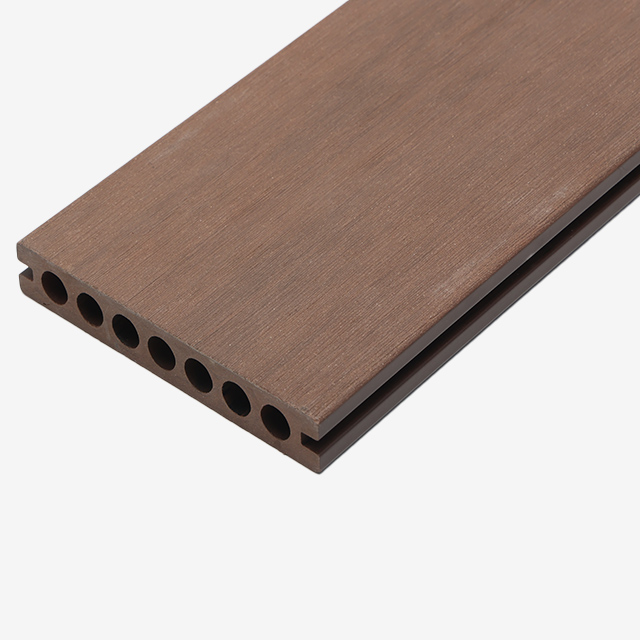
Upgrading an outdoor space with composite materials requires more than picking an attractive color. You must move past aesthetic preferences to evaluate material engineering, structural limitations, and long-term performance. The modern building market overflows with highly variable product quality levels. Choosing the wrong manufacturer easily results in warping, severe brittleness, and unsightly fading within just one to two years. Such failures turn a dream backyard into a costly renovation nightmare.
This guide aims to prevent those expensive mistakes. It equips buyers with an objective, technical framework to evaluate suppliers confidently. You will learn to navigate complex installation constraints and calculate the true Total Cost of Ownership (TCO) accurately. Understanding these hidden variables ensures your investment survives harsh weather year after year. Armed with these insights, you can make a secure, final purchasing decision.
Composition Matters: High-quality WPC relies on exact wood-to-plastic ratios and specific chemical additives; cheap fillers compromise lifespan.
Installation Dictates Durability: Thermal expansion (0.3%–0.5%) requires strict adherence to acclimatization, joist spacing, and fastening rules.
Understand the Limits: WPC is water-resistant (not waterproof) and has distinct temperature and structural load-bearing limits compared to traditional timber.
Warranty Scrutiny: A realistic evaluation requires checking specific clauses for structural integrity, fade resistance, and color retention.
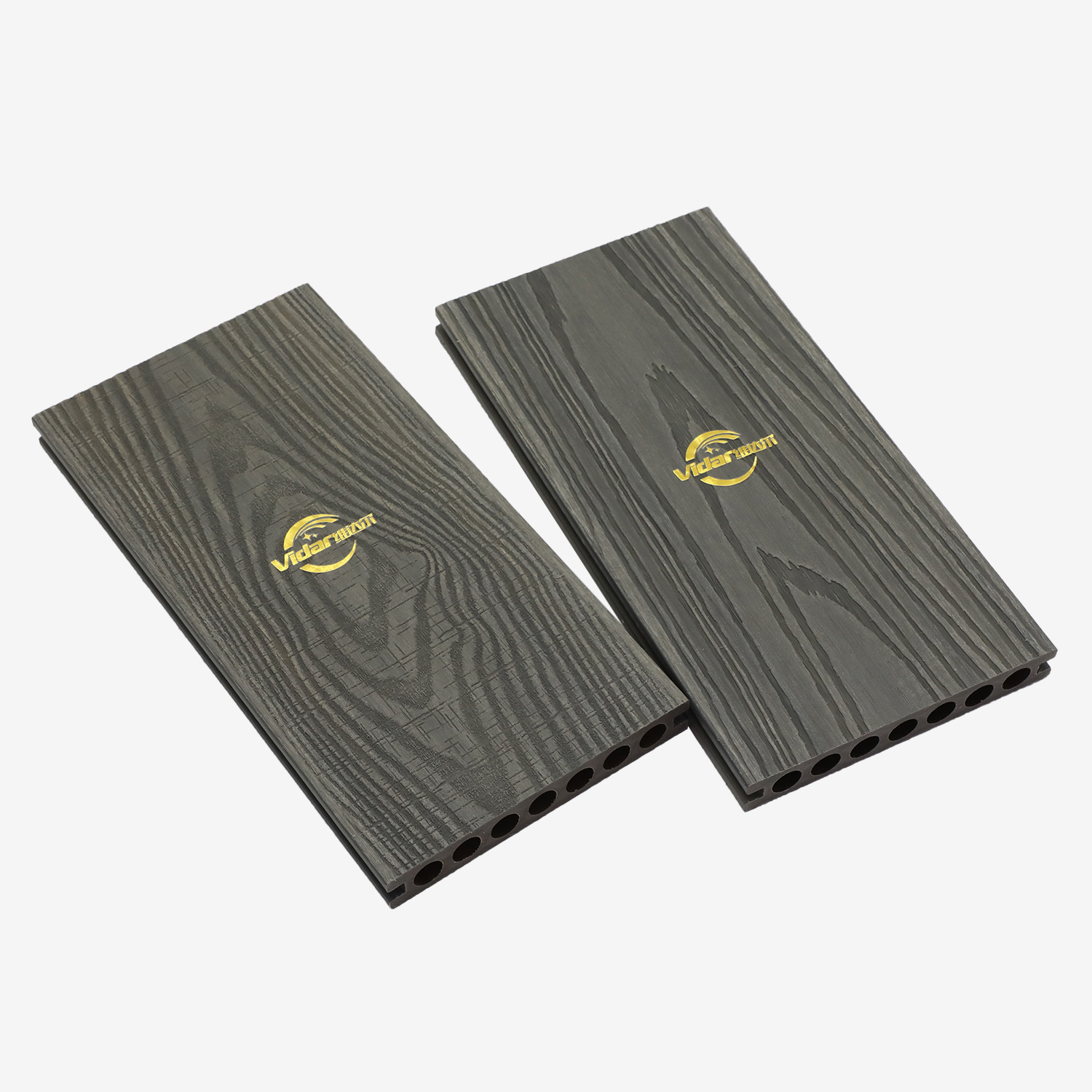
Manufacturers create WPC Decking by blending recycled wood fibers with high-density polymers. This composite mixture dictates how well the board withstands outdoor elements. A premium product relies on an exact wood-to-plastic ratio. Too much wood makes the board susceptible to rot and moisture absorption. Too much plastic makes it look artificial and feel uncomfortably hot underfoot. The industry standard hovers around a 55% wood to 35% polymer blend. The remaining 10% consists of crucial chemical additives.
These invisible chemical agents play a massive role in longevity. You cannot see them, but they define board performance. UV stabilizers act as structural sunblock. They prevent the sun from breaking down polymer chains, which stops rapid surface fading. Coupling agents serve an equally important function. They bind the organic wood fibers to the synthetic plastic molecules. This chemical bond locks out moisture and prevents internal rot.
However, the market hides several red flags. Manufacturers sometimes cut costs by altering this delicate formula. They substitute high-quality wood fiber with cheap fillers. Talcum powder and lightweight calcium carbonate are common culprits. These cheap fillers interrupt the polymer matrix. They leave the final product incredibly brittle. Boards loaded with calcium carbonate will crack under minimal impact.
You can protect yourself by performing a physical verification. Use this simple buyer checklist when evaluating samples:
Cross-Section Inspection: Examine the cut end of the board. Look for a fine, uniform density. You should not see large, visible air pores or inconsistent chunks of material.
Smell Test: Hold the sample close and smell it. Premium boards retain a faint, natural wood scent. Avoid boards emitting harsh, chemical plastic odors. A strong chemical smell indicates poor polymer curing or toxic additives.
Treating composite materials like traditional timber is a common, costly mistake. They share visual similarities but behave completely differently under stress. You must understand these structural limits before finalizing your design.
The thickness of a board directly dictates its load-bearing capacity. You must match the board thickness to your expected traffic. A thin board works fine for a quiet residential balcony. However, it will bow and flex under heavy outdoor furniture or dense foot traffic. To illustrate these constraints, review the standard thickness versus span guidelines below.
Board Thickness | Maximum Joist Span | Ideal Application Scenario |
|---|---|---|
20mm – 22mm | 300mm (12 inches) | Light residential use, bare feet, minimal heavy furniture. |
23mm – 25mm | 350mm (14 inches) | Standard residential use, standard patio sets, moderate traffic. |
26mm – 30mm | 400mm (16 inches) | Commercial spaces, heavy hot tubs, dense crowds. |
You must also recognize a critical industry reality. Composite decking serves strictly as a surface material. It is not a structural framework. The material lacks the rigid tensile strength of natural timber. You cannot use it for load-bearing posts, structural beams, or underlying joists. Attempting to use it structurally will lead to catastrophic deck failure.
Heat sensitivity presents another crucial engineering limit. Thermoplastics soften when exposed to extreme temperatures. Most boards begin to lose structural rigidity around 158°F (70°C). You must plan your layout accordingly. Never install these boards directly near grill exhaust vents. Keep them away from high-heat outdoor appliances and fire pit bases.
Finally, consider aesthetic functionality. Deeply embossed wood grain textures do more than look pretty. They provide necessary mechanical friction. High-quality manufacturers design these textures specifically to meet strict ASTM standards for slip resistance. A smooth, untextured board becomes incredibly dangerous when wet.
Many buyers falsely believe composite materials are entirely waterproof. We must dispel this dangerous myth immediately. These boards are highly water-resistant, not waterproof. They block ambient moisture and rain brilliantly. However, they cannot sit submerged in pooling water. Proper substructure drainage remains mandatory. Trapped water will eventually penetrate the wood fibers and cause irreversible swelling.
The substructure material also demands careful selection. Never use standard, untreated wood for your base frame. Untreated timber traps moisture beneath the deck. It will rot away in a few years, ruining your expensive composite surface above it. We strongly recommend using pressure-treated lumber, galvanized steel, or dedicated composite battens for your framework.
Thermal expansion is the greatest threat to a poor installation. Wood expands with moisture, but plastic expands with heat. Because WPC combines both, it experiences significant dimensional changes. Boards typically expand by roughly 0.3% to 0.5% depending on local climate extremes. You must follow strict mitigation rules to prevent buckling.
Acclimatization: Never install boards straight off the delivery truck. You must store them flat on-site for a minimum of 3 days. This rest period allows the material to adapt to local ambient humidity and temperature.
Expansion Rates: Installers must respect the 0.3% to 0.5% expansion reality. You cannot screw boards down tightly against each other. Installers must use dedicated hidden fasteners. These clips automatically leave adequate expansion gaps between the long edges.
Double Joisting: Substructure spacing matters immensely. A maximum joist spacing of 250mm remains standard for maximum longevity. Furthermore, butt joints require special attention. When two boards meet end-to-end, they cannot share a single joist. They strictly require double joists to provide independent support and accommodate end-to-end expansion.
Buyers often experience sticker shock when pricing composite materials. The upfront cost noticeably exceeds traditional pressure-treated pine. However, evaluating a wpc decking floor requires looking at the long-term Return on Investment (ROI). Traditional timber demands relentless upkeep. You must sand, stain, and seal wood every single year to prevent rot. Over a ten-year lifespan, the accumulated labor and material costs of timber vastly outweigh the initial premium paid for composites.
Maintenance realities significantly favor composites, provided you clean them correctly. Routine cleaning requires only a soft brush and mild soap. For tougher organic stains, use sodium percarbonate. It bubbles up and lifts dirt safely. You must strictly avoid chlorine-based bleach, such as sodium hypochlorite. Chlorine chemically attacks the polymer chains and degrades the board's structural integrity.
High-pressure washing remains a viable cleaning method, but it demands caution. You must keep the pressure washer on a low-PSI setting. Ensure the nozzle stays at least 25cm away from the surface. Getting too close acts like a water laser, permanently scarring the embossed texture.
Protecting your investment means reading the warranty fine print carefully. Do not blindly accept a manufacturer marketing a "25-year guarantee." You must scrutinize the actual contract for three specific coverages.
Structural Integrity: The warranty must explicitly protect against cracking, splintering, and fungal decay.
Fade Resistance: All exterior materials fade slightly under UV exposure. The contract must define acceptable UV degradation limits. It should guarantee the board will not fade beyond a specific Delta E color shift value.
Color Retention: The warranty should cover severe blotching or uneven color loss over the first five years of ownership.
Choosing the right supplier separates a successful project from a total failure. Do not evaluate suppliers based solely on their marketing brochures. You need objective proof of quality. Require verifiable third-party testing reports from every shortlisted vendor. Look for CE marks, ISO manufacturing standards, and Intertek performance verifications. ASTM compliance reports specifically prove the boards meet rigorous safety and durability benchmarks.
Sustainability profiling offers another excellent quality indicator. Reputable manufacturers care about environmental impact. Verify if the supplier uses post-consumer recycled materials rather than virgin plastics. Furthermore, check their chemical safety ratings. The best factories maintain zero-formaldehyde production environments. Look for an E0 grade certification. This guarantees the material will not off-gas toxic chemicals into your backyard environment.
Finally, evaluate their past performance logically. Prioritize brands boasting proven commercial case studies. A manufacturer whose products survive a high-traffic hotel pool deck will easily handle your residential needs. Seek out local climate-tested reviews. A board performing well in a dry desert might fail in a humid coastal zone. Always choose a supplier with a proven track record in your specific weather conditions over one competing solely on the lowest price.
Purchasing WPC decking is primarily an engineering decision, not just an architectural one. Your long-term success relies heavily on verifying material purity before buying. You must respect thermal expansion rules during installation and scrutinize warranty details to protect your investment. Skipping these technical evaluations usually leads to premature board failure.
Your next steps should focus on physical verification. Contact your shortlisted suppliers immediately. Request physical sample boxes and review the cross-sections for density. Demand to see their Technical Data Sheets (TDS) and official installation manuals. Taking these proactive, informed steps guarantees a beautiful, durable outdoor space for decades.
A: PVC consists of 100% synthetic plastic. It often looks artificial, lacks a natural grain texture, and feels significantly hotter underfoot during summer. WPC blends real organic wood fibers with high-density polymers. This unique blend offers a much more realistic timber appearance and provides superior acoustic and vibration dampening properties.
A: Yes. High-quality WPC remains completely splinter-free and achieves high slip-resistance ratings. It avoids the toxic chemical treatments, such as Chromated Copper Arsenate (CCA), historically used in pressure-treated wood. Premium boards also achieve an E0 formaldehyde emission rating, ensuring no harmful chemical off-gassing occurs in your yard.
A: No, damaged boards cannot be repaired like natural wood. You cannot sand down gouges, restain spots, or patch deep scratches on a WPC surface. Severely damaged boards must be entirely replaced. This reality makes proper joist spacing and hidden fastener systems crucial, as they allow for relatively easy, single-board swap-outs.