Views: 0 Author: Site Editor Publish Time: 2026-09-15 Origin: Site


High heat and relentless humidity serve as the ultimate stress tests for outdoor structures. Homeowners and builders naturally question if composite materials can survive these harsh conditions. You want an outdoor space that resists warping, melting, and mold growth. Historically, early-generation composites earned a poor reputation. They often overheated in the sun and trapped moisture. However, modern material engineering has shifted significantly to address these exact pain points.
Evaluating modern composite options requires looking past outdated assumptions. You must focus on specific structural variations, real-world thermal testing, and current installation realities. Proper evaluation ensures your outdoor living space remains safe and beautiful year-round. We will explore how advanced manufacturing techniques protect boards from extreme weather. You will learn how to select the right color, core structure, and polymer capping for your specific climate. Let us examine the data to help you build a resilient, weather-proof deck.
Constant airborne moisture presents a severe threat to any outdoor flooring. Heavy rainfall accelerates fungal decay and structural rot in traditional timber. Fungi thrive when the internal moisture content of wood exceeds 20 percent. Traditional lumber acts like a sponge in humid climates. It absorbs water from the air and rain. This constant moisture cycling leads to rapid degradation. You often see splintering, cracking, and eventual structural failure in untreated wood.
High temperatures introduce a completely different set of structural challenges. Prolonged UV exposure degrades the structural integrity of organic materials. The intense sun causes rapid color fading. More importantly, high heat induces thermal expansion. Materials expand as they heat up and contract as they cool. This constant movement often causes natural wood boards to warp, cup, or buckle over time.
Composite materials fundamentally alter how outdoor flooring interacts with moisture and extreme heat. Manufacturers blend organic wood fibers with synthetic polymers. This process encapsulates the vulnerable wood particles inside a protective plastic matrix. The synthetic elements replace the natural organic decay cycle of traditional timber. Fungi cannot access the moisture they need to survive. This engineering breakthrough provides a massive advantage for anyone living in tropical or humid zones.
Understanding the difference between material generations is critical for climate suitability. Standard, uncapped composite boards represent the first generation of this technology. These standard boards feature exposed wood fibers on their surface. They easily resist complete structural rot. However, they remain highly susceptible to surface moisture absorption. In severely humid climates, these exposed fibers absorb dew and rain. This absorption leads to minor mold spotting. Furthermore, the lack of a protective shield means these standard boards suffer faster UV fading under intense summer sun.
The industry solved these early issues through a major technological shift. Manufacturers developed a specialized manufacturing process called co-extrusion. This process extrudes an impermeable polymer shell simultaneously with the internal composite core. The high-heat manufacturing binds the shell and core together seamlessly. This creates an inseparable, ultra-durable board.
This polymer shell acts as an ultimate moisture barrier. It prevents atmospheric water vapor from ever reaching the organic wood fibers hidden inside. By completely sealing the core, the shell eliminates swelling. It totally starves mildew and mold of the damp environment they need to grow. The surface remains smooth, dry, and highly resistant to stains.
Your decision matrix becomes very clear when evaluating these materials. If you live in a tropical, coastal, or consistently humid environment, choosing Outdoor Co-Extrusion WPC Decking is non-negotiable. Standard uncapped boards will eventually show environmental wear in these harsh zones. Co-extruded boards guarantee long-term performance success and aesthetic retention. They provide the resilience needed to survive brutal summers and wet winters.
We must provide a transparent assessment regarding heat retention. Yes, WPC Decking can get uncomfortably hot in direct summer sun. It possesses a much higher thermal mass than lightweight softwood. Natural wood contains microscopic air pockets that prevent heavy heat absorption. Dense synthetic materials absorb thermal energy and hold onto it. During peak afternoon hours, any dense outdoor material will feel very warm under bare feet.
Several distinct variables dictate the actual surface temperature of your deck. Color thermodynamics play the most significant role. Darker colors like espresso, charcoal, and dark gray absorb significantly more infrared heat. Lighter shades like sand, pale gray, and light cedar reflect the sun. These lighter boards stay noticeably cooler on hot days.
The internal core structure also influences how the board dissipates heat. Hollow-core profiles contain internal air channels. These voids help the board dissipate heat slightly faster once the sun goes down. Solid-core boards lack these cooling channels. However, solid boards offer significantly greater structural rigidity and impact resistance.
Advanced UV inhibitors further improve thermal performance. Premium decking lines integrate specialized reflective pigments directly into their cap layer. These chemical additives actively deflect infrared rays away from the surface. This technology keeps premium boards cooler than basic alternatives of the exact same color.
You can implement several practical mitigation strategies for hot climates. Strategic shading provides the most effective relief. Consider installing pergolas, shade sails, or large patio umbrellas. We strongly recommend selecting light-colored boards if your deck faces direct southern exposure. Additionally, lightly wetting the surface with a garden hose instantly cools the boards before barefoot use.
Color and Structure Heat Retention Profile
| Color Category | Core Type | Heat Retention Level | Barefoot Comfort in Direct Sun |
|---|---|---|---|
| Dark (Espresso, Charcoal) | Solid | Very High | Uncomfortable during peak hours |
| Dark (Espresso, Charcoal) | Hollow | High | Warm, cools quickly after sunset |
| Light (Sand, Pale Gray) | Solid | Moderate | Generally comfortable |
| Light (Sand, Pale Gray) | Hollow | Low to Moderate | Most comfortable option |
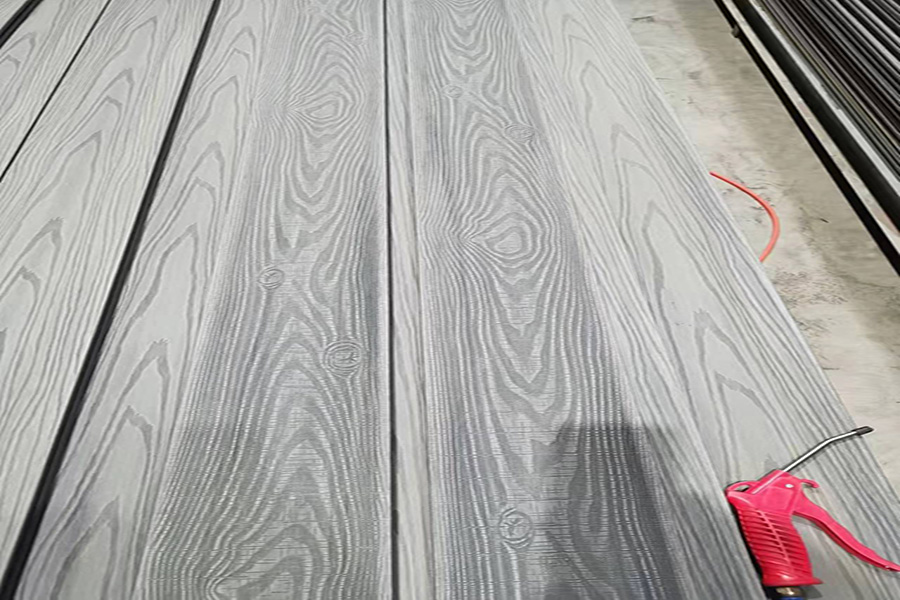
Humid conditions create unique safety challenges for outdoor living spaces. Condensation and morning dew frequently form on horizontal surfaces. This moisture creates severe slipping hazards. You must evaluate boards based on industry-standard slip-resistance ratings. Look for high PTV (Pendulum Test Value) scores or strong R-ratings. Manufacturers achieve these safety ratings by pressing deep-embossed woodgrain textures into the polymer shell. These deep ridges provide necessary foot traction even when wet.
Managing thermal expansion requires strict attention to detail. Wood expands primarily due to moisture absorption. Synthetic composites react differently. They expand and contract laterally based purely on temperature fluctuations. When the sun heats the boards, they lengthen. When temperatures drop at night, they shrink back to their original size.
This implementation reality demands precise installation techniques. Installers must calculate precise gapping at the butt joints where two boards meet. They base this gap size strictly on the ambient temperature at the exact time of installation. If installed on a cold morning, installers must leave a wider gap. The boards will expand significantly during peak summer heat. Failing to leave adequate expansion space causes the boards to push against each other and forcefully buckle.
Sub-structure ventilation remains equally critical in humid climates. Your deck requires active cross-ventilation beneath the surface framing. Proper airflow prevents ground moisture from evaporating and becoming trapped under the boards. Trapped humidity accelerates the decay of your wooden joists. Ensuring excellent ventilation guarantees that your hidden structural lifespan matches your durable composite surface lifespan.
Buyers must apply strict evaluation criteria when shopping for humid environments. Always request the manufacturer's technical data sheets (TDS) before buying. First, verify the water absorption rate. You should only purchase boards showing less than one percent total water absorption. This low metric ensures the board will never swell in heavy rain.
Next, scrutinize the warranty terms. Verify that the document explicitly covers fade and stain resistance. A warranty covering only structural integrity is insufficient for a sunny climate. Read the fine print carefully. Look for hidden clauses regarding extreme weather exclusions. You want a warranty that guarantees the visual aesthetics of the board.
Finally, inspect the capping depth. Ensure the protective co-extruded shield wraps a full 360 degrees around the entire board. It must cover the internal grooves and the bottom face. Some cheaper brands only cap the top surface. A partially capped board remains highly vulnerable to ground moisture evaporating from below.
Follow these precise steps to finalize your decision:
Material Assessment Checklist for Humid Climates
| Evaluation Criteria | Minimum Requirement | Premium Standard |
|---|---|---|
| Water Absorption Rate | < 2.0% | < 0.5% |
| Polymer Capping Coverage | Top and sides only | Full 360-degree wrap (including grooves) |
| Warranty Coverage | 15-year structural only | 25-year structural, fade, and stain |
| UV Resistance Technology | Standard pigments | Reflective infrared inhibitors |
Modern composite materials offer a remarkably robust solution for challenging weather conditions. High heat and relentless humidity quickly destroy traditional wood. However, advanced synthetic polymers handle these stresses effortlessly. You can enjoy a beautiful, low-maintenance outdoor space provided you avoid early-generation uncapped composites. The key to long-term success lies in understanding material science and adhering to proper building practices.
We strongly recommend prioritizing fully capped, co-extruded boards for any humid environment. Choose lighter color palettes to naturally combat surface heat retention. Above all, you must enforce strict adherence to manufacturer expansion guidelines during assembly. Ensure your substructure features excellent cross-ventilation. By following these practical steps, you guarantee a failure-proof installation that will endure the harshest climates for decades.
A: Yes, it can warp if improperly installed. The material becomes slightly pliable at extreme temperatures. Proper joist spacing provides essential structural support to prevent sagging. Installers must also calculate and leave adequate expansion gaps at the board ends. These gaps allow the boards to expand naturally on hot days. Without them, expanding boards push against each other and buckle. Adhering to manufacturer guidelines eliminates warping risks completely.
A: Mold typically grows on surface dirt, not inside the advanced polymer board itself. You should clean the deck using warm, soapy water and a soft-bristle brush. Gently scrub the affected areas to lift organic debris. Avoid using harsh bleach. Aggressive chemicals can permanently damage the protective cap. For stubborn spots, use a specialized composite deck cleaner formulated specifically for your decking brand.
A: Each profile offers distinct physical advantages. Hollow-core boards contain internal air channels. These voids help dissipate heat slightly faster, allowing the deck to cool quicker after sunset. However, solid-core boards provide superior structural strength and rigidity. They easily mimic the heavy, premium feel of traditional lumber. If your deck faces heavy foot traffic, solid boards remain the preferred structural choice despite retaining slightly more heat.
A: Standard, uncapped composites experience natural weathering and usually fade during their first summer. Modern co-extruded composites behave differently. Manufacturers integrate advanced UV inhibitors and reflective pigments directly into the protective polymer shell. This UV-stabilized technology effectively blocks harmful solar radiation. Consequently, high-quality co-extruded boards retain their original vibrant color for decades with virtually zero noticeable fading.