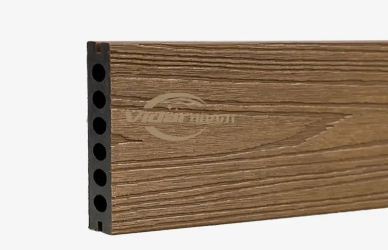
WPC (Wood Plastic Composite) decking has gained significant popularity in recent years as a reliable and low-maintenance alternative to traditional wood decking. Made from a blend of wood fibers and recycled plastic, WPC decking offers the aesthetic appeal of wood while providing enhanced durability and resistance to the elements. As homeowners and businesses seek sustainable, long-lasting solutions for their outdoor spaces, WPC decking has become a go-to option for patios, gardens, and terraces. But the key question remains: Is WPC decking a good choice for your outdoor spaces? In this article, we'll explore the benefits and potential drawbacks of WPC decking to help you decide if it's the right material for your next outdoor project.
WPC (Wood Plastic Composite) decking is a composite material made from a combination of wood fibers, recycled plastic, and other additives. The material typically consists of 50% wood fibers, 40% plastic, and 10% bonding agents or other additives. The manufacturing process involves mixing the wood fibers with plastic and then extruding the mixture into decking planks, which are then cut, shaped, and finished to the desired specifications. The resulting product combines the aesthetic qualities of wood with the strength and durability of plastic, creating a material that is highly resistant to weathering, decay, and pests.
WPC decking offers several advantages over traditional wood decking:
Durability: WPC is more resistant to moisture, rot, and insect damage than wood, making it ideal for outdoor use.
Longevity: It has a longer lifespan than wood, with less frequent maintenance and fewer repairs required.
Environmentally Friendly: WPC is made from recycled materials, reducing waste and the need for harvesting trees.
Aesthetic Appeal: WPC decking mimics the appearance of natural wood while providing a more consistent and uniform look without the imperfections found in traditional wood.
One of the standout features of WPC decking is its excellent durability. Unlike traditional wood, which can warp, crack, or rot when exposed to moisture, WPC decking is designed to resist water absorption, preventing swelling, warping, and decay. It is also highly resistant to insects, such as termites, which can cause significant damage to wood decking over time. This resistance to moisture and insects makes WPC decking ideal for areas with high humidity or those that experience frequent rain.
WPC decking requires much less maintenance than traditional wood. Unlike wood, which needs to be regularly sealed, stained, or painted to protect it from the elements, WPC decking only requires occasional cleaning to remove dirt and debris. This low-maintenance feature makes it an attractive choice for homeowners looking to spend less time on upkeep and more time enjoying their outdoor spaces.
WPC decking is an environmentally friendly option because it is made from recycled plastic and wood fibers. By using recycled materials, WPC decking helps reduce waste and the environmental impact of both plastic and timber production. This makes it a more sustainable choice compared to traditional wood decking, which often contributes to deforestation and the depletion of natural resources.
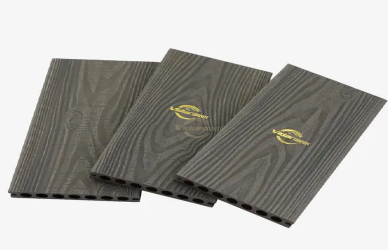
WPC decking offers a wide range of color options, textures, and finishes, allowing it to be customized to suit different outdoor designs. Whether you prefer a traditional wood appearance or a more modern, sleek finish, WPC decking can be tailored to match the aesthetic of your home or landscape. This versatility makes WPC decking a great choice for a variety of outdoor spaces, from patios to garden walkways to pool decks.
One of the main disadvantages of WPC decking is its higher upfront cost compared to traditional wood decking. WPC decking tends to be more expensive due to the manufacturing process and the quality of materials used. While the initial investment is higher, it’s important to consider the long-term savings, as WPC decking requires less maintenance and is more durable than wood, which can offset the initial cost over time.
Although WPC decking is more resistant to UV rays compared to wood, it can still experience some color fading when exposed to prolonged sunlight. Over time, the intense sun can cause the surface to lose its vibrancy, especially in areas with strong, direct sunlight. To mitigate this, periodic cleaning and the use of protective coatings can help preserve the color and appearance of the decking.
While WPC decking is durable, it is not completely immune to surface damage. Heavy furniture or sharp objects can scratch or dent the surface, especially if the decking is exposed to constant wear and tear. Taking precautions, such as using protective furniture pads and avoiding dragging heavy objects across the surface, can help minimize the risk of damage.
Lifespan: WPC decking generally lasts 20-30 years, whereas traditional wood decking typically lasts 10-15 years, depending on the type of wood and environmental conditions. WPC’s resistance to moisture, rot, and pests significantly extends its lifespan.
Maintenance: WPC decking requires far less maintenance than wood. Wood needs to be regularly sealed, stained, and treated to prevent decay, while WPC decking only needs periodic cleaning and occasional sealing to maintain its appearance.
Overall Cost: WPC decking has a higher initial cost than wood, but the reduced maintenance and longer lifespan make it more cost-effective over time. In contrast, wood decking might need more frequent repairs and maintenance, resulting in higher long-term costs.
WPC Decking: WPC decking performs better in environments with high humidity, frequent rain, or extreme temperature fluctuations. Its resistance to moisture and insects makes it ideal for coastal areas, areas with high rainfall, or regions with hot summers and cold winters.
Wood Decking: Wood decking can be more suitable in drier climates where it is less exposed to moisture and pests. However, wood requires more upkeep to prevent rot, cracking, and warping. In areas with frequent rain or humidity, wood decking can degrade faster and require more frequent repairs.
While WPC decking may have a higher initial cost than traditional wood, its long-term benefits make it a worthwhile investment. Key advantages include:
Longevity: WPC decking typically lasts 20-30 years, much longer than wood decking, which often needs replacement after 10-15 years. This extended lifespan means fewer replacements and repairs, making it a durable option.
Low Maintenance: WPC decking requires minimal upkeep. Unlike wood, which needs regular sealing, staining, and sanding, WPC only needs occasional cleaning, saving both time and money.
Aesthetic Appeal: WPC decking resists fading, rotting, and warping, maintaining its appearance over time without the need for frequent refinishing or repairs.
WPC decking helps save money in several ways:
Reduced Maintenance Costs: Wood decks require regular sealing and staining, which adds up over time. WPC eliminates these costs, requiring only occasional cleaning.
Fewer Repairs: WPC is more resistant to weathering, insects, and moisture, reducing the need for costly repairs or replacements caused by rot or damage, common in wood decks.
Lower Replacement Costs: The longer lifespan of WPC means fewer replacements, and its durability offsets the higher upfront cost, offering better value in the long run.
Yes, WPC decking is typically more expensive upfront than wood, but its lower maintenance costs and longer lifespan can make it more cost-effective in the long run.
No, WPC decking requires very little maintenance compared to wood. It doesn't need regular sealing or staining, and cleaning is easy with soap and water.
Yes, WPC decking is resistant to moisture, rot, and insect damage, making it ideal for areas with extreme weather conditions like heavy rain or intense sun.
WPC decking comes in various colors and textures that can mimic wood, giving it a natural, aesthetically pleasing look that can complement any outdoor space.
WPC decking offers several advantages, including exceptional durability, low maintenance, and eco-friendliness, making it an attractive option for many outdoor projects. Its resistance to moisture, insects, and rot ensures a long lifespan of 20-30 years, with minimal upkeep compared to traditional wood decking. Additionally, WPC decking’s variety of colors and textures allows for flexibility in design, providing a wood-like appearance without the need for frequent maintenance. However, it does come with some drawbacks, such as a higher upfront cost and the potential for color fading or surface damage over time. Despite these cons, the long-term benefits, including reduced maintenance costs, fewer repairs, and a longer lifespan, make WPC decking a worthwhile investment. If you’re looking for a low-maintenance, durable, and eco-friendly solution for your outdoor space, WPC decking is definitely a good choice for your next project.