Views: 0 Author: Site Editor Publish Time: 2026-01-28 Origin: Site


When it comes to choosing a fence for your property, the material you select plays a critical role in determining the aesthetics, durability, and long-term performance of the structure. Among the many fencing options available today, Wood Plastic Composite (WPC) fencing has gained immense popularity due to its unique combination of natural wood appearance and enhanced durability. WPC fences are a smart investment for homeowners and businesses alike, offering benefits such as low maintenance, weather resistance, and sustainability.
Choosing the perfect WPC fence for your property can be a daunting task given the variety of options available. Factors such as size, color, style, and budget must all be carefully considered to ensure the best fit. This article will guide you through the key factors to consider when choosing the perfect WPC fence for your needs, providing you with the information necessary to make an informed decision.
Before diving into the selection process, it’s essential to understand what WPC fencing is and why it has become a preferred choice for many. WPC fencing is made from a mixture of wood fibers, recycled plastic, and chemical additives that combine to form a durable, weather-resistant material. The wood fibers provide a natural look and texture, while the plastic content ensures resistance to moisture, UV rays, and pests. This makes WPC fencing highly durable, low-maintenance, and long-lasting.
WPC fences can be designed to resemble traditional wood fences, but they offer superior performance without the drawbacks of natural wood, such as cracking, splintering, or rotting. WPC fences also come in various finishes and colors, making them versatile and customizable to suit different design preferences.
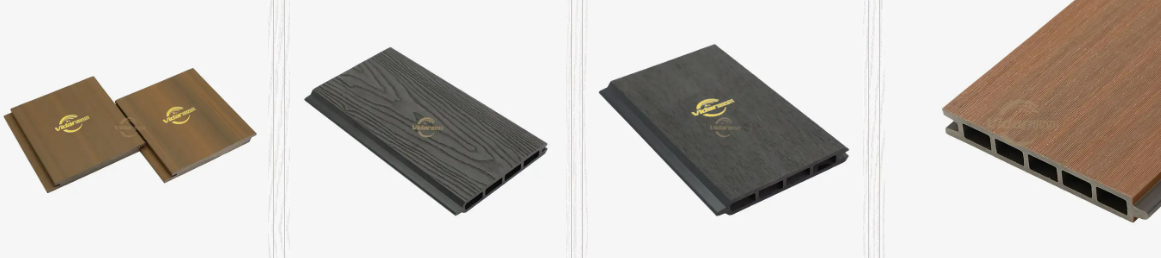
The first step in choosing the perfect WPC fence is determining the purpose of the fence. Are you looking to increase privacy, improve security, enhance the aesthetics of your garden, or create a boundary for your property? Understanding the primary purpose will help narrow down your options and guide the decision-making process.
If privacy is your primary concern, you’ll want a fence that provides a solid barrier to block out the view from neighboring properties or passersby. WPC fences are an excellent choice for privacy fencing because they can be built in solid panel configurations, providing an effective shield. Additionally, WPC fences are available in different heights, allowing you to select a tall fence for maximum privacy.
For security purposes, you may require a fence that not only offers privacy but also acts as a deterrent to intruders. WPC fencing is sturdy and durable, making it an ideal option for securing your property. Opting for a higher fence with a reinforced structure will help improve the security of your property while maintaining a visually appealing design.
If the aesthetic appearance of the fence is your primary goal, WPC fences offer a wide range of decorative options. You can choose from various styles, colors, and textures to complement your garden or outdoor space. WPC fencing can be designed with wood-like grains, smooth finishes, or embossed textures, allowing you to select a style that fits your vision.
Not all WPC fences are created equal. The material quality and durability of the fence should be one of the key factors in your selection process. High-quality WPC fences will offer superior performance, including resistance to moisture, UV degradation, and wear.
The wood fiber content in WPC fences plays a crucial role in determining the material's strength and appearance. Higher-quality WPC fences will use a higher percentage of wood fibers, which not only improve the natural look and texture of the fence but also contribute to the fence's overall durability.
Some WPC products use mixed wood fibers, while others may include more refined wood flour. It’s essential to ask the supplier about the wood fiber composition and ensure that the WPC fence you choose contains high-quality materials that will stand the test of time.
The plastic content in WPC fences helps make them resistant to moisture, insects, and UV rays. A higher percentage of plastic in the fence increases its resistance to environmental stress, ensuring that your fence will not warp, crack, or fade over time. Make sure to check if the WPC fence you're considering includes UV inhibitors and anti-fungal treatments, as these will help protect the fence from sun damage and mold growth.
WPC fences are available in a variety of designs and styles to suit different outdoor spaces. Whether you're looking for a classic look, a modern design, or a rustic style, WPC fencing offers the versatility to meet your aesthetic preferences. The fence design will depend on both the function of the fence and your overall landscape design.
When choosing a WPC fence, you will need to decide whether you prefer a solid or semi-private design. A solid fence offers complete privacy and is ideal for securing your property or blocking out noise. In contrast, a semi-private fence has gaps between the panels, allowing air circulation and offering a more open feel while still providing some level of privacy.
WPC fences are available in a range of colors, from natural wood tones to modern grays, blacks, and whites. The color you choose will depend on the style of your property and the desired effect. Lighter colors can make a space feel more open and airy, while darker shades can add a more dramatic and sophisticated look.
You can also choose between different finishes, such as smooth, textured, or wood-grain embossed. These textures can add depth and character to your fence, giving it a more authentic wood-like appearance.
The height of your WPC fence is another crucial consideration, as it will affect the level of privacy, security, and aesthetic impact. WPC fences are available in a range of heights, and you can often customize the height based on your specific needs.
If privacy is a priority, choose a taller fence, typically ranging from 6 to 8 feet. A tall fence will ensure that your property is shielded from the view of neighbors or passersby, providing you with the seclusion and peace of mind you desire.
For a more decorative purpose, such as defining a garden or adding a design element to your outdoor space, a shorter fence may be more appropriate. Shorter WPC fences, around 3 to 4 feet in height, can serve as a stylish boundary while allowing an open, airy feel in the space.
WPC fencing can be more expensive than traditional wood, but the benefits of long-term durability and low maintenance often outweigh the initial cost. The price of WPC fencing will vary depending on factors such as material quality, design complexity, height, and supplier.
While the initial investment in WPC fencing may be higher than wood, the long-term savings are substantial. WPC fences do not require regular maintenance such as staining, painting, or sealing, which can add up over the years with traditional wood fences. Additionally, WPC fences tend to last much longer than wood fences, providing a better return on investment in the long run.
When comparing WPC fences, be sure to get quotes from multiple suppliers and consider factors such as installation costs and warranty coverage. Some suppliers may offer bulk discounts or promotions that can help reduce the overall cost of the fence.
The ease of installation is another important factor to consider when selecting a WPC fence. Most WPC fences are designed to be relatively easy to install, and many manufacturers offer pre-assembled panels or kits that can be quickly put together.
If you are planning to install the fence yourself, make sure that the WPC fence you choose comes with clear installation instructions and is designed for easy assembly. Alternatively, if you're hiring a professional, be sure to inquire about the cost of installation and whether the supplier offers installation services.
Some WPC fences come with a snap-together system or pre-drilled holes that make installation faster and easier.


Choosing the perfect WPC fence for your lawn involves considering several factors, including the purpose of the fence, material quality, design, height, and budget. WPC fencing offers a range of benefits, including low maintenance, high durability, eco-friendliness, and aesthetic versatility. Whether you're looking for privacy, security, or a decorative boundary, WPC fences can provide the perfect solution for your outdoor space.
At Vidar Material Technology Co., Ltd., we specialize in providing high-quality WPC fencing solutions designed to meet the diverse needs of homeowners and businesses. Our WPC products are made from premium materials, ensuring long-lasting performance, minimal maintenance, and a stylish appearance. With a range of colors, finishes, and designs, our WPC fences are the perfect choice for enhancing the look and functionality of your lawn or garden.
What is the main difference between WPC fencing and traditional wood fencing?
WPC fencing is made from a mix of wood fibers and recycled plastic, making it more durable, low-maintenance, and weather-resistant compared to traditional wood fencing, which requires regular treatment to prevent damage.
How long does WPC fencing last?
WPC fencing can last up to 25 years or more with minimal maintenance, far outlasting traditional wood fencing.
Is WPC fencing eco-friendly?
Yes, WPC fencing is made from recycled wood fibers and plastic, reducing waste and contributing to sustainability. Additionally, WPC fences are fully recyclable at the end of their life.
Can I customize the look of my WPC fence?
Yes, WPC fences come in a variety of colors, textures, and finishes, allowing for customization to match your design preferences and outdoor space.
Is WPC fencing easy to install?
Yes, WPC fencing is designed for easy installation, with many options featuring pre-assembled panels or snap-together systems that make DIY installation straightforward.