Views: 0 Author: Site Editor Publish Time: 2026-09-01 Origin: Site


Construction sites are inherently messy and unpredictable environments. Heavy machinery, constant foot traffic, and various trades working simultaneously generate massive amounts of debris. Newly installed decking almost always ends up covered in layers of construction dust, chalk lines, adhesive residue, and scattered metal shavings. These contaminants accumulate rapidly long before the overall project wraps up.
Leaving these abrasive materials on the surface poses a significant threat to your new outdoor space. Micro-abrasions, tannin bleed, and rapid rust stains can quickly ruin the pristine finish. These early damages compromise both the visual appeal and the core structural integrity of the boards. Micro-scratches act as permanent traps for future dirt, accelerating overall surface degradation.
We will establish a standardized, warranty-compliant cleaning protocol you should implement immediately after installation. You will learn how to safely lift heavy debris, choose the right non-abrasive tools, and manage stubborn chemical spills. This guide ensures you protect the vital polymer capping and guarantee long-term performance.
The main goal is transitioning the site from a chaotic work zone into a pristine, client-ready outdoor living space. You must achieve this transition without causing accidental surface damage. Delivering a flawless deck directly boosts a contractor's professional reputation. However, construction crews frequently overlook this crucial handover phase. They wrongly assume heavy rain will wash the deck clean naturally. Rain only exacerbates the issue by locking fine dust into the microscopic texture of the boards.
Identifying high-risk debris requires a keen eye. Metal shavings often fall when crews cut aluminum or iron railings nearby. If overnight dew or sudden rain hits these loose metal particles, they rapidly create stubborn rust stains on WPC Decking. This aggressive oxidation process happens much faster than most installers realize, sometimes binding to the polymer overnight.
Masonry dust from adjacent brickwork or hardscaping presents another major threat. This fine powder contains crushed stone and silica. It becomes highly abrasive under heavy foot traffic. Walking over it grinds away at the top protective layer just like coarse sandpaper, dulling the factory finish permanently.
Chalk lines also hide permanent dangers. Blue and red construction chalks contain strong, concentrated pigments. They act as permanent dyes on many composite materials. These heavy dyes seep into any available micro-texture and stubbornly resist standard washing.
Warranty compliance represents another critical factor during this cleanup phase. Improper post-installation cleaning frequently causes early warranty invalidation across major decking brands. Manufacturers explicitly state how you should treat the capping. Ignoring these industry-standard guidelines leaves you unprotected if long-term fading or scratching occurs. Best practice dictates taking clear photos of the cleaned deck immediately after handover to document your compliance.
Always start your cleaning process dry. Adding water directly to construction dust creates a thick, abrasive slurry. This muddy mixture settles deep into the board's embossed wood grain. You need a highly systematic approach to lift loose debris safely before introducing any liquids to the deck surface.
Follow these specific implementation steps to prepare the surface:
Never reach for metal shovels, metal trowels, or sharp scraping tools. Contractors sometimes try to pop off hardened construction mud or dried cement splashes using a metal putty knife. This action represents a massive mistake. Sharp metal edges will gouge the polymer shell instantly, immediately voiding the manufacturer's warranty.
Instead of scraping, lightly tap the dried mud with a smooth wooden block to break it loose. Then brush the remnants away gently. We also recommend doing a preliminary walk-through to pick up stray nails or screws by hand. This simple step prevents you from accidentally dragging sharp metal across the deck while sweeping.
Once you clear the loose dirt, you will likely spot stubborn construction residues. Different stains require distinct, targeted cleaning approaches. Applying the wrong chemical can bake a stain permanently into the capping, destroying the visual appeal.
| Stain Type | Recommended Immediate Action | What to Strictly Avoid |
|---|---|---|
| Chalk Lines | Wash immediately with warm, soapy water and a sponge. | Solvent-based cleaners and abrasive scrubbing pads. |
| Grease and Oil | Apply a warranty-approved degreaser within 24 hours. | Leaving the oily spill untreated overnight. |
| Hard Water Spots | Wash with a mild detergent mixed in warm water. | Harsh acidic concrete cleaners or bleach. |
White chalk should be the only color used during the installation process. It washes away effortlessly with morning dew or a light rinse. If a worker accidentally uses colored chalk, you must act fast. Use warm soapy water and a soft sponge immediately. Never apply solvent-based cleaners to lift chalk dyes, as harsh solvents can literally melt the protective capping.
Grease and oil often drip from chainsaws, drills, or heavy power tools. You must address these hazardous spills within 24 hours. Apply a warranty-approved composite degreaser directly to the spot. Allow the degreaser a brief dwell time to break down the lipids. Scrub the area gently using a soft sponge, then rinse it thoroughly with clean water.
Hard water spots or dust slurries frequently form from construction water runoff drying in the sun. Wash the deck using a mild detergent mixed into warm water. This simple solution breaks down the chalky mineral deposits safely without etching the plastic surface.
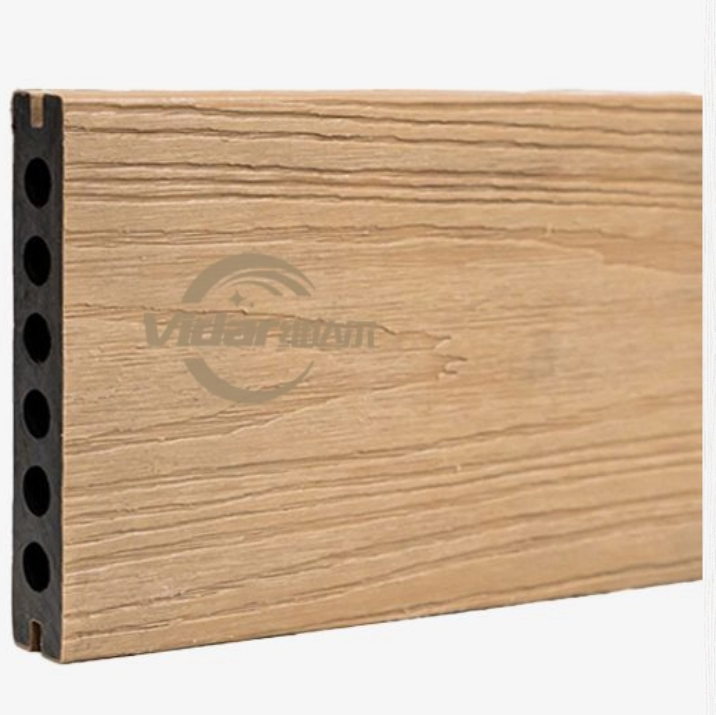
Modern engineering makes this entire stain-removal process significantly easier. Anti-UV Capped WPC Decking features a highly resilient, non-porous polymer shell. This advanced protective layer actively resists deep liquid absorption. Surface-level stain removal proves highly effective if you address the spills promptly. The core wood fibers remain completely isolated from harmful dyes, engine oils, and excess moisture.
Contractors frequently ask if high-pressure water guns are safe for composite boards. The short answer is yes, but only under strict operational parameters. Evaluating your equipment feature-to-outcome is critical for a safe wash. High pressure can strip away stubborn dirt effectively, but it can also destroy the protective shell if you mishandle the wand.
You must follow a strict operational framework when using powered cleaning equipment:
Exceeding these carefully defined parameters creates severe consequences. Extreme pressure can score the capping deeply. It forces raw water directly into the composite core. This dangerous moisture intrusion permanently degrades the board's UV resistance and compromises its structural stability. Furthermore, you should never pressure wash a deck during the hottest part of the day, as hot polymer becomes slightly more pliable and susceptible to marking.
A common mistake involves holding the wand stationary over a stubborn stain. You must keep the nozzle moving constantly to distribute the kinetic energy evenly across the boards.
Chemical compliance dictates the long-term health of your outdoor living space. Not every commercial deck cleaner suits modern composites. Many generic formulas contain harsh stripping agents designed specifically for traditional timber, not advanced synthetic polymers.
Use strict shortlisting logic when selecting your cleaning agents. Mild liquid dish soap works wonders for general construction dust. You can also purchase specialized composite deck cleaners from trusted suppliers. Always verify they do not contain bleach. Opt for pH-neutral solutions to maintain the structural capping's chemical integrity. Polyethylene and polypropylene capping materials react best to gentle, balanced pH profiles.
You must actively avoid several common construction chemicals. Never apply abrasive scrubbing powders like Ajax or Comet. They dull the sleek, modern finish quickly. Avoid acetone, paint thinners, and harsh industrial solvents entirely. Sodium hypochlorite, commonly known as bleach, is highly destructive to modern composites. It degrades essential UV inhibitors, breaks down critical molecular bonds, and causes rapid, irreversible color fading.
We highly recommend implementing a simple chemical testing protocol. Always test any new cleaning agent first. Find an inconspicuous scrap piece leftover from the deck installation. Apply the solution there before you treat the main deck. Wait at least 24 hours to observe any potential discoloration, hazing, or surface etching.
Proper post-installation cleaning goes far beyond basic visual aesthetics. It serves as a critical handover step establishing the true foundation for long-term durability. Removing abrasive dust and corrosive metal shavings within the critical 48-hour window immediately protects your investment from preventable degradation.
Contractors should embed these specific cleaning protocols directly into their client handover documentation. Educating the homeowner prevents accidental chemical or physical damage down the road. Clear communication ensures the client understands exactly how to maintain their new outdoor space properly.
Always consult the specific manufacturer’s care guide before finalizing your maintenance plan. If you feel unsure about a specific chemical or cleaning tool, do not guess. Contact your supplier's technical support team directly. They can easily verify the compatibility of your chosen cleaning tools and solutions to keep your warranty intact.
A: Yes, but you must adhere strictly to low-pressure settings. Keep the PSI under 1,500. Always attach a wide fan nozzle, typically 40 degrees or broader. Maintain an 8 to 12-inch distance from the boards. This technique removes heavy dust without etching the delicate surface.
A: You should use a specialized, composite-safe rust remover containing oxalic acid. However, you must verify warranty compatibility with your manufacturer first. The best approach remains prevention. Prompt removal of metal shavings within 48 hours usually prevents this oxidation issue entirely.
A: Yes, it is significantly easier to maintain. The protective polymer shell prevents construction oils and intense dyes from penetrating the inner wood fibers. This non-porous barrier allows you to wash away most heavy construction residues using just mild soap and warm water.