Views: 0 Author: Site Editor Publish Time: 2026-09-13 Origin: Site


“Low maintenance” rarely means “stain-proof” in outdoor living spaces. Spills from summer barbecues, knocked-over wine glasses, or weekend DIY projects happen on every patio eventually. This harsh reality catches many homeowners off guard. If you clean these spills improperly, you risk permanently damaging the composite structure. You might even void your manufacturer warranties entirely. We want to help you prevent these costly mistakes. Our goal is to provide evidence-based, chemically safe stain removal protocols. Current owners will learn exactly how to lift stubborn marks safely. Prospective buyers will discover how to evaluate the stain-resistance capabilities of modern materials. You will understand why your response time matters so much. We also explain how to handle specific chemical challenges without melting the plastic polymers. Follow this guide to keep your outdoor spaces looking flawless year after year.
To clean a stain successfully, you must first understand your specific decking material. Not all composite boards react to spills the same way. The manufacturing generation dictates the physical vulnerability of your outdoor floor.
First-generation uncapped composites blend wood flour and recycled plastics. This process leaves thousands of microscopic wood fibers exposed on the surface. These fibers act just like tiny capillary tubes. When liquid hits the deck, these exposed fibers draw the moisture deep into the core matrix. This wicking effect makes early generation boards highly susceptible to permanent staining. Oil and wine do not just sit on top. They penetrate the board deeply. Removing these compounds requires drawing them back out of the wood fibers. This often demands aggressive scrubbing and specialized poultices.
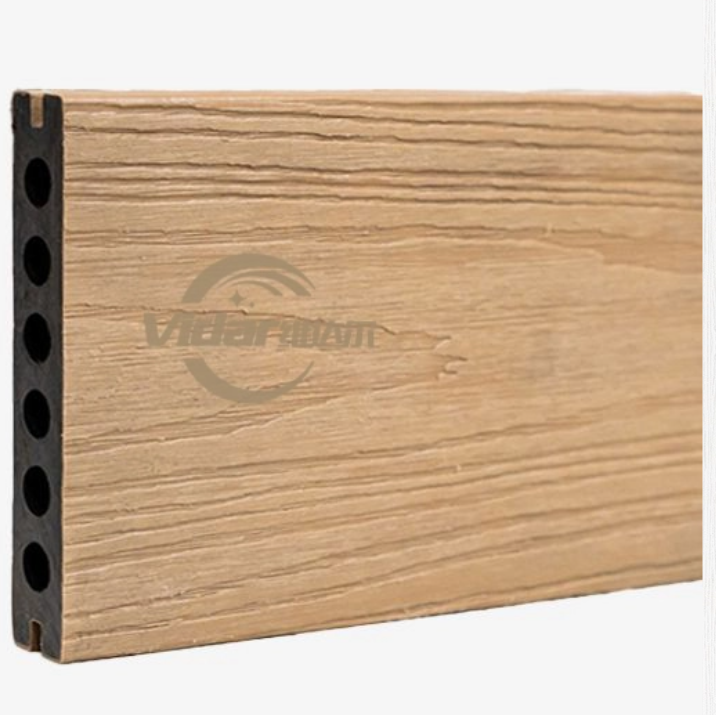
Modern manufacturing solved this porosity issue through co-extrusion. Manufacturers now wrap the composite core in a protective plastic shell. We call this a capped composite. This cap layer changes the surface physics entirely. Spills encounter high surface tension rather than thirsty wood fibers. Liquids bead up and sit harmlessly on top of the plastic shell. They cannot penetrate the dense polymer shield to reach the organic core. This shifts your cleaning requirement from deep extraction to simple surface wiping.
If you are currently evaluating different decking options, consider future maintenance labor. Uncapped boards might cost less upfront. However, you will spend significantly more time scrubbing out grease and organic stains. Choosing advanced materials reduces your weekend cleaning chores. You save money on specialized deck cleaners over the lifespan of the patio. Labor time directly impacts the overall value of your investment.
Treating every spill exactly the same way guarantees poor results. You must match your cleaning chemistry to the specific compound you spilled. The wrong solvent can lock a stain in permanently.
Stain Removal Protocol Summary
| Spill Type | Safe Cleaning Agent | Tools Required | Chemical Risk |
|---|---|---|---|
| Oil & Grease | Mild dish detergent + hot water | Soft bristle brush, sponge | Industrial degreasers degrade polymers |
| Organic & Tannins | Sodium percarbonate cleaner | Bucket, soft scrub brush | Bleach causes rapid color fading |
| Paint & Chemicals | Non-corrosive citrus solvents | Plastic putty knife | Acetone melts composite surfaces |
Grease spots are the most common complaint among patio owners. Hot oils from grills or dropped sunscreen lotions quickly spread across the textured surface.
Nature constantly drops organic material onto outdoor spaces. Wet leaves, fallen berries, and spilled red wine contain strong natural dyes called tannins.
Home improvement projects frequently cause collateral damage. Dropped paint, spilled stains, or splashed sealers require immediate and careful attention.
Many homeowners unintentionally destroy their outdoor spaces while trying to clean them. Frustration often leads to aggressive tactics. These tactics compromise the structural integrity of the boards.
Visit any home improvement forum, and you will find the "clean but ruined" complaint. Homeowners rent a heavy-duty pressure washer to blast away winter grime. High-pressure washing is a notoriously high-risk approach. The intense water jet easily splinters uncapped composite boards. It also fractures the thin cap layer on modern boards. Once you break this surface seal, water enters the core, leading to irreversible swelling and rot.
Sometimes deep cleaning requires mechanical assistance. If pressure washing feels strictly necessary, follow these non-negotiable parameters:
People often grab household bleach to attack tough mold or berry stains. Sodium hypochlorite represents a massive danger to composite chemistry. Bleach accelerates color fading almost instantly. More importantly, it destroys the vital UV stabilizers baked into the plastic. Without these stabilizers, sunlight makes the boards brittle. Chlorine also accelerates the cellular degradation of the interior wood fiber component. Avoid bleach entirely to protect your investment.
The best way to handle stains is to prevent them from setting in the first place. Upgrading your materials changes your entire outdoor maintenance experience.
Modern manufacturing drastically simplifies deck ownership. Anti-UV Capped WPC Decking completely shifts the maintenance burden. You move away from reactive, exhausting scrubbing. Instead, you adopt a simple wiping routine. The non-porous surface rejects moisture. Oils cannot soak in. Wine stays beaded on the surface until you wipe it away with a damp towel.
The structural advantage lies within the co-extruded protective layer. During manufacturing, a robust synthetic shell wraps around the core material simultaneously. This shell offers supreme resistance to fading. It blocks out moisture completely. It stops deep stain penetration dead in its tracks. Advanced UV inhibitors mixed into this cap layer also ensure the color remains vibrant despite harsh afternoon sun exposure.
Think carefully if you are evaluating a new build or a replacement deck. You must compare the upfront cost of capped boards against future hidden expenses. Cheaper uncapped boards demand continuous financial upkeep. You will buy specialized cleaning chemicals every season. You will spend hours of hard labor scrubbing away grease. Uncapped boards also face premature replacement due to rot or severe fading. Premium capped options eliminate these ongoing burdens. They deliver reliable aesthetic value and significant lifetime savings.
Proper care extends the lifespan of your patio significantly. You need a structured approach whether you are shopping for materials or managing an existing build.
Do your homework before purchasing any composite brand. You must verify the warranty terms specifically regarding stain resistance. Read the fine print to understand the required maintenance procedures. Many warranties void automatically if you use unapproved chemicals. Above all, ensure the product explicitly features a co-extruded cap. Do not settle for first-generation porous materials if you frequently host dinners or barbecues.
Establishing a standard operating procedure keeps your space pristine. Follow these steps consistently:
Successful stain removal always relies on two factors: immediate action and the correct chemical pairing. You cannot let oils or tannins sit baked in the sun. You must attack them quickly using gentle, targeted solutions. Remember to avoid destructive tools like metal scrapers, harsh bleach, and aggressive pressure washers.
No decking material exists that is entirely maintenance-free. However, choosing advanced capped materials drastically reduces the severity of everyday spills. A plastic co-extruded shell turns a potential disaster into a minor inconvenience. We strongly encourage you to consult your specific manufacturer's care guide before applying any new cleaning product. If you plan a new backyard project soon, explore upgraded capped WPC options to guarantee a beautiful, stress-free outdoor living space.
A: Aggressive scrubbing or using the wrong chemicals can alter the surface texture, changing how light reflects and creating the illusion of a faded spot. Always scrub parallel to the grain.
A: Yes, mild household solutions are generally safe for organic stains, but they may lack the surfactants needed for heavy grease. Always patch-test in an inconspicuous area.
A: Using unauthorized chemicals (like industrial bleach or acetone), employing high-pressure power washers, or failing to clean the spill within the manufacturer's specified timeframe (often 7 days).