Views: 0 Author: Site Editor Publish Time: 2026-09-12 Origin: Site


Upgrading your outdoor living space requires a significant financial commitment. Naturally, many homeowners hesitate because they fear permanent damage from everyday patio use. Sliding heavy chairs, active pets, and constant foot traffic can threaten a pristine finish.
We must set a realistic baseline right away. No decking material on the market is entirely scratch-proof. Understanding how different composites handle surface wear saves you from unexpected frustration. It ensures your outdoor sanctuary remains beautiful for decades.
In this guide, we provide an evidence-based breakdown of how composite boards handle daily wear. You will see how different generations perform under stress. Finally, we will show you exactly how to evaluate materials before making your final purchase.
Many aggressive marketing campaigns promote modern composite materials as entirely invincible. We need to debunk this "scratch-proof" myth immediately. While WPC Decking is vastly more durable than traditional softwoods like treated pine, it remains a plastic-wood hybrid. These materials will eventually yield to sharp, heavy force. Setting realistic expectations prevents future disappointment.
Homeowners often group all surface damage together. However, you must differentiate between minor scuffs and serious structural damage. They require completely different prevention and repair strategies.
You must also understand the role of abrasives in surface wear. Dirt, grit, and sand act exactly like sandpaper when trapped under shoes. The footwear itself rarely causes the damage. Instead, the grinding motion of trapped minerals accelerates surface wear. Keeping the boards clean drastically reduces your risk of micro-scratches.
Manufacturers produce composite boards in distinct generations. Your choice dictates how well the deck survives heavy patio furniture and active pets. We categorize these materials primarily into capped and uncapped options.
Early composite boards feature a simpler construction. Manufacturers mix exposed wood fibers directly into the plastics. This creates a uniform board from top to bottom. Because the wood fibers sit on the surface, the overall scratch resistance remains much lower. The softer surface area makes it highly prone to daily scuffs.
However, uncapped boards offer a unique advantage regarding repairability. Scratches often blend in over time. Natural weathering and UV oxidation help hide these marks naturally. Installers can sometimes blend deeper scratches carefully using a wire brush or a heat gun.
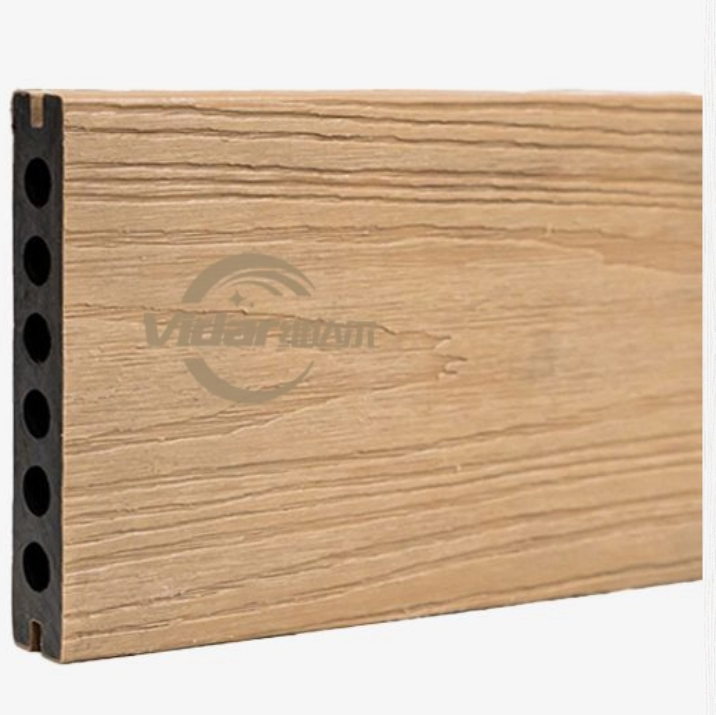
Modern engineering solved many early composite problems through co-extrusion. These advanced boards feature a protective outer shell protecting the core. Manufacturers typically use high-density polyethylene (HDPE) to create this armor. WPC Decking,Anti-UV Capped WPC Decking offers incredibly high scratch resistance. The hard polymer shell deflects chair legs, dog claws, and general abrasion.
This premium protection does come with a strict trade-off. If sharp furniture punctures or deeply scratches the shell, you cannot sand it out. Sanding destroys the protective cap and voids the warranty. You must flip or replace the damaged board entirely.
You need a clear guideline when choosing between the two. If your deck will host heavy iron furniture, active large dogs, or commercial foot traffic, prioritize a capped product. The structural armor is absolutely necessary for these environments.
Comparison Chart: Capped vs. Uncapped Decking Durability
| Feature | Uncapped WPC (1st Gen) | Capped WPC (Modern Gen) |
|---|---|---|
| Core Composition | Wood fibers mixed into plastic | Composite core protected by an outer shell |
| Scratch Resistance | Low to Moderate | High to Very High |
| Repairability | Can be lightly sanded or wire-brushed | Cannot be sanded; requires board replacement |
| Best Use Case | Low traffic, budget-conscious projects | Heavy traffic, active pets, premium spaces |
Selecting the right brand requires careful evaluation. You should not rely solely on marketing brochures. Instead, examine the physical characteristics of the boards. These details reveal how the material will actually perform in your backyard.
Surface texture plays a massive role in hiding wear. Deeply embossed, matte wood-grain patterns hide micro-scratches significantly better. Conversely, smooth or highly glossy finishes highlight every single scuff. The light reflects off smooth surfaces, making minor imperfections obvious. Always favor a textured, matte finish for active households.
Next, evaluate the shell thickness of capped boards. A thicker protective layer generally implies higher resistance to punctures and heavy impacts. Ask the manufacturer about the exact mil thickness of their HDPE cap. Thicker caps provide better armor against dropped tools and heavy furniture legs.
You must also read the fine print in the warranty language. Standard manufacturer warranties cover structural failure, rot, and severe fading. They rarely cover surface scratches resulting from user wear-and-tear. Companies view scratching as user negligence rather than a manufacturing defect. This reality makes your preventative care strategy absolutely critical.
Finally, we strongly encourage conducting your own physical tests before buying in bulk.
This hands-on approach provides realistic expectations regarding surface hardness.
Even the toughest premium boards require proactive surface management. Implementing simple protective measures extends the flawless aesthetic of your outdoor space by decades. Prevention is always cheaper and easier than replacing gouged boards.
Your patio furniture represents the biggest threat to your deck. You must mandate the use of floor protectors on all chairs, tables, and sofas. Nylon glides, heavy-duty felt pads, or silicone caps work perfectly. They create a soft barrier between heavy legs and the plastic shell.
Never let metal casters or bare metal legs touch the deck directly. Cast iron furniture will permanently gouge the surface if someone drags it. Inspect the protective pads every season. They wear down over time and can collect abrasive grit.
Strategic rug placement solves many traffic issues. We recommend placing woven polypropylene rugs under high-traffic dining sets. These indoor/outdoor rugs catch the sliding motion of dining chairs. They also trap dirt before it grinds into the boards.
However, you must heed a critical warning regarding mat materials. Explicitly avoid using rubber-backed or PVC-backed mats. These materials trap moisture against the deck surface. Worse, they cause chemical discoloration on capped boards through plasticizer migration. Always use breathable, colorfast woven rugs.
As established earlier, dirt acts like sandpaper. Implementing a routine sweeping schedule removes abrasive sand and grit. A soft-bristle broom handles dry dirt perfectly. For muddy footprints, gentle hosing easily cleans the surface. Do not use stiff wire brushes to clean your deck, as they will create the exact micro-scratches you want to avoid.
Active pets love outdoor spaces, but their claws can cause damage. Small dogs rarely possess the weight to scratch premium composites. However, large dogs running aggressively can cause visible scuffing. Keeping your large dogs' nails properly trimmed significantly reduces this likelihood. Capped products generally withstand pet traffic exceptionally well, provided you maintain their claws.
Despite your best efforts, accidents happen. A dropped grilling tool or a dragged heavy planter might leave a mark. Knowing how to handle these blemishes prevents you from making the damage worse.
Do not panic over minor surface scuffs. You must allow the natural weathering process to occur. Minor scuffs often disappear into the deck's patina after 12 to 16 weeks of UV exposure. Daily foot traffic also helps blend these superficial marks into the surrounding texture. Patience is your best initial strategy for minor wear.
If you installed first-generation, uncapped boards, you have repair options. You can carefully blend minor scratches using a heat gun. You must follow the manufacturer guidelines precisely. Hold the heat gun several inches away and keep it moving. The goal is to slightly melt the plastic component, allowing it to re-bond over the scratch. Never hold the heat gun in one spot, as it will scorch the wood fibers.
Deep gouges in capped boards present a different challenge. You cannot sand or melt the protective shell back together. If a heavy metal object tears through the cap, the core becomes exposed to moisture. You must implement a replacement strategy.
This reality highlights a vital installation rule. Always order 10% extra material during your initial installation. Store these spare boards in a dry, flat location. If a board suffers severe damage five years later, you will have a perfect color match from the exact same dye lot. Swapping out a single damaged board takes less than an hour and restores your deck completely.
Outdoor decking materials face harsh realities from weather, heavy furniture, and constant use. While modern composite boards are highly resilient, they demand the same basic surface respect as premium interior hardwood floors. You cannot treat them like solid concrete.
Protecting your investment relies on proactive habits. Use silicone caps on your chair legs, sweep away abrasive dirt regularly, and choose breathable outdoor rugs. These simple, inexpensive steps prevent nearly all common surface damage.
For buyers dealing with heavy patio furniture, large dogs, and high traffic, investing in a premium capped product offers the best return on investment. The co-extruded armor delivers a significantly longer-lasting aesthetic. We highly encourage you to request physical samples. Test the surface hardness firsthand with a key or coin. Consulting with a composite specialist will help you match the exact board generation to your specific lifestyle needs.
A: Small to medium dogs rarely cause surface damage. Large, heavy dogs running aggressively can cause micro-scratches, especially on older, uncapped boards. However, modern capped composites generally withstand pet traffic exceptionally well. Keeping your dog's nails trimmed further minimizes any risk of visible scuffing.
A: Never use a metal-tipped shovel on your deck. The sharp metal will easily gouge the protective plastic shell. Always use a plastic-edged shovel. Push the snow parallel to the deck boards. This technique prevents the shovel from catching the board edges and causing deep gouges.
A: No. Manufacturers consider scratches to be normal wear and tear or a result of user negligence. Warranties specifically cover manufacturing defects, structural integrity, and rot. Some premium capped products also cover fade and stain resistance, but physical abrasions are universally excluded from claims.
A: Absolutely not for capped composite decking. Sanding will destroy the protective outer shell and immediately void your warranty. Uncapped decking can technically be lightly wire-brushed to blend minor scuffs, but manufacturers generally discourage this as it alters the surface texture permanently.