Views: 0 Author: Site Editor Publish Time: 2026-02-13 Origin: Site


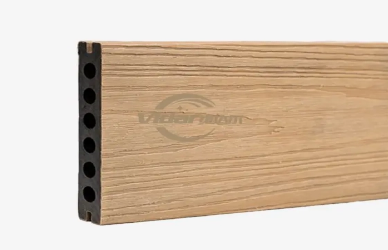
WPC (Wood Plastic Composite) decking has become a popular choice for homeowners and businesses due to its durability, low maintenance, and eco-friendly qualities. Made from a blend of wood fibers and plastic, WPC decking provides the appearance of wood without the need for constant upkeep. One of the most common questions about WPC decking is how long it lasts. While traditional wood decks may require frequent repairs or replacement, WPC decking can last significantly longer, typically 20-30 years with proper care. However, the lifespan of WPC decking can vary depending on several factors, including climate, maintenance, quality of materials, and usage. In this article, we'll explore the typical lifespan of WPC decking, the factors that influence its longevity, and how to maximize its lifespan to ensure it remains a beautiful and durable feature of your outdoor space for years to come.
WPC (Wood Plastic Composite) decking is a modern building material made from a blend of wood fibers and plastic. The typical composition includes about 50% wood fibers, 40% recycled plastic, and 10% additives. This combination results in a highly durable and low-maintenance product that mimics the appearance of wood while offering improved resistance to the elements. The key benefits of WPC decking include:
Durability: WPC decking resists moisture, rot, and insect damage, which are common problems with traditional wood.
Low Maintenance: Unlike wood, WPC does not require regular sealing, staining, or sanding.
Eco-Friendly: WPC is made from recycled materials, making it an environmentally conscious choice.
Aesthetic Appeal: Available in various colors and textures, WPC decking can mimic the natural look of wood without the imperfections.
When compared to traditional wood decking, WPC decking offers several advantages:
Lifespan: WPC decking typically lasts 20-30 years, whereas traditional wood decking may require replacement every 10-15 years depending on the type of wood and environmental conditions.
Durability: WPC decking is more resistant to weathering, rot, and insect infestation, making it last longer and require less upkeep compared to wood, which can warp, crack, or decay over time.
Maintenance: Wood decking needs regular maintenance such as sealing and staining, while WPC decking only needs occasional cleaning, making it a more hassle-free option in the long run.
WPC decking is designed to be long-lasting, with a typical lifespan of 20-30 years, depending on several factors. Its composite material offers superior durability compared to traditional wood decking, which can require more frequent maintenance and repair. With proper care and maintenance, WPC decking maintains its appearance and performance for many years, making it a solid investment for homeowners and businesses alike.
While WPC decking has a relatively long lifespan, several factors can influence how long it lasts:
Climate and Weather Conditions: Exposure to extreme temperatures, humidity, or intense sunlight can affect the material. In hot climates, prolonged sun exposure can cause fading, while freezing temperatures can lead to cracking if not properly cared for.
Maintenance and Care: Regular cleaning, sealing, and proper upkeep can significantly extend the life of WPC decking. Cleaning off dirt, debris, and moisture regularly can prevent mold growth and staining.
Quality of Materials: The quality of the WPC decking material used plays a big role in its lifespan. Higher-quality WPC products with more wood content tend to last longer and perform better under harsh conditions.
Foot Traffic and Usage: Areas with heavy foot traffic may wear down the surface of the decking over time, leading to surface damage or reduced aesthetic quality. Proper maintenance and cleaning can help mitigate this.
Extreme temperatures, humidity, and sunlight all impact WPC decking:
Extreme Temperatures: High heat can cause expansion, while freezing temperatures may lead to contraction, potentially causing cracks.
Humidity: High moisture levels can promote mold growth and degrade the material if not managed properly.
Sunlight Exposure: Intense sunlight can fade the color and weaken the surface over time.
Regular care is key to extending WPC decking’s life:
Cleaning: Prevent dirt, algae, and mold buildup.
Sealing: Periodic sealing helps protect the decking from UV and moisture damage.
Avoiding Damage: Avoid heavy impacts or sharp objects that can scratch or damage the surface.
The quality of WPC material and proper installation are crucial for longevity:
Material Quality: High-quality WPC resists wear better and lasts longer.
Installation: Correct installation prevents shifting or sagging, helping maintain the decking's durability.
Heavy usage can affect decking longevity:
High Traffic: Frequent use can cause wear, but regular maintenance can reduce this.
Heavy Objects: Protecting the decking from heavy impacts helps maintain its condition.
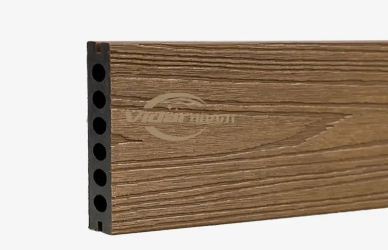
WPC decking’s long lifespan means less frequent maintenance and lower replacement costs compared to traditional wood. With minimal upkeep, you save on long-term expenses.
Made from recycled materials, WPC decking is an environmentally friendly choice. Its long life reduces the need for replacements, contributing to sustainability.
WPC decking retains its appearance for years, resisting fading, cracking, and warping. It provides long-lasting beauty with minimal effort, enhancing outdoor spaces over time.
To ensure that your WPC decking lasts as long as possible, follow these maintenance tips:
Regular Cleaning: Clean the decking every few months to remove dirt, debris, and organic matter that can lead to staining or mold growth. A simple wash with mild soap and water is usually enough.
Spot Clean Stains: For tough stains, use a soft brush and a deck cleaner specifically designed for WPC decking. Avoid harsh chemicals that may damage the surface.
Avoid Scratches: Protect the decking from heavy furniture, sharp objects, or abrasive materials that can scratch or damage the surface.
While WPC decking is naturally resistant to moisture and UV rays, applying a sealant every few years can extend its lifespan:
Sealing the Surface: Use a water-based sealant that is specifically formulated for composite materials. This will provide an additional protective layer against UV damage, moisture, and dirt.
Preventing Moisture Damage: Sealing the decking helps reduce the absorption of water, preventing swelling or warping in areas exposed to moisture.
WPC decking is designed to withstand the elements, but taking extra precautions can help maximize its lifespan:
Avoid Standing Water: Ensure that water doesn’t pool on the surface for long periods. Use a mop or towel to wipe off excess water after rain.
Protect From Extreme Heat: In areas with high heat, consider using outdoor rugs or furniture pads to reduce direct exposure to intense sun and heat that may cause fading over time.
Shading: If possible, provide some shade for your decking with pergolas or awnings to reduce direct sun exposure, especially in regions with intense sunlight.
WPC decking can last 20-30 years, depending on factors such as climate, maintenance, and usage. Proper care, such as regular cleaning and sealing, can significantly maximize its lifespan. With minimal upkeep, it remains a long-lasting, low-maintenance option for outdoor spaces.
Yes, higher-quality WPC materials and proper installation can significantly extend the lifespan of the decking. Premium WPC products are more resistant to weathering, wear, and fading, and they can endure harsher conditions, making them more durable and long-lasting compared to lower-quality options.
Yes, extreme weather conditions such as intense sunlight, high humidity, or freezing temperatures can cause the material to degrade more quickly. UV rays can fade the color, and moisture can lead to mold growth or warping. Proper sealing and maintaining shade around the deck can help mitigate these effects.
To ensure WPC decking lasts, regular cleaning is essential to remove dirt, debris, and organic matter. Sealing the decking periodically adds an extra layer of protection against UV rays and moisture. It's also important to avoid heavy wear by not dragging heavy furniture across the surface and by cleaning up spills promptly. These steps help prevent damage and ensure the decking stays in top condition.
WPC decking typically lasts between 20 to 30 years with proper care and maintenance, offering a significant advantage over traditional wood decking, which may require replacement or frequent repairs much sooner. The lifespan of WPC decking can be influenced by several factors, including climate conditions, the quality of materials used, maintenance practices, and the level of foot traffic it endures. Ensuring the decking is regularly cleaned, properly sealed, and protected from harsh weather elements like intense sunlight and moisture can greatly extend its longevity. The benefits of choosing WPC decking for long-term use are clear: it reduces maintenance and replacement costs, provides an eco-friendly alternative by utilizing recycled materials, and retains its aesthetic appeal for many years. With minimal upkeep, WPC decking remains a durable, attractive, and sustainable choice, making it an excellent investment for homeowners seeking a long-lasting outdoor solution.