Views: 0 Author: Site Editor Publish Time: 2026-09-10 Origin: Site


Investing in premium decking sets the expectation for a high-end, barefoot-friendly outdoor space. You naturally want a pristine finish for family gatherings and summer lounging. However, choosing the wrong installation method can immediately degrade the final result. Traditional face-screwing leaves visible hardware scattered across your pristine floorboards. It creates dangerous entry points for moisture. It also causes annoying "mushrooming" around screw heads, ruining the smooth texture you paid for.
Hidden fasteners emerged specifically to solve these frustrating issues. But evaluating their true impact on aesthetics, durability, and project timelines requires looking beyond basic marketing claims. You need to understand how these systems actually function in the field. This guide breaks down exactly how hidden fastening systems alter the finish of your boards. We explore the technical realities of using them on the job site. Finally, we explain how to evaluate if they are the right choice for your specific project.
Standard top-down installation methods severely disrupt the clean look you want for your backyard. They introduce visual clutter and create structural weak points over time. Let us explore why traditional face-screwing often falls short for modern composites.
Standard installations require roughly 350 screws per 100 square feet of decking. Imagine building a standard 500-square-foot deck. You will end up staring at over 1,750 visible screw heads scattered across your floor. This massive amount of hardware severely disrupts the simulated wood grain. It breaks up the color uniformity of modern composite boards. Instead of admiring a continuous, natural-looking surface, your eyes constantly jump to metallic dots. This visual interruption makes an expensive deck look surprisingly cheap.
Driving screws directly into composite material often pushes the dense core upward. Installers call this the "volcano" or "mushrooming" effect. The displaced material has nowhere else to go. It forms raised, unsightly bumps around every single fastener head. These bumps feel terrible under bare feet. They also catch dirt and grime, making the deck much harder to sweep and clean. While some specialized composite screws claim to trap this excess material, they rarely eliminate the problem entirely. You still end up with a bumpy, inconsistent walking surface.
Modern composite boards rely on a tough outer shell for protection. Every surface penetration directly compromises this protective cap. Driving a screw through the top creates tiny micro-environments for standing water. Rainwater pools inside these small divots around the screw head. During winter, this trapped water freezes and expands. This freeze-thaw cycle causes microscopic surface cracking. Over several years, these micro-cracks lead to premature degradation and board failure. Traditional screws essentially punch hundreds of tiny holes into your deck's armor.
Modern deck clips completely transform the installation process. They engineer a pristine, flawless finish from the ground up. By moving the anchoring system to the sides of the boards, they eliminate top-down damage.
Hidden systems utilize specially manufactured grooved-edge boards. The installation process fundamentally shifts away from piercing the top surface. Clips slot horizontally into the sides of the boards. They anchor directly to the joist below. Once the next board slides into place, the clip remains entirely invisible from the deck surface. You get incredible holding power without any visible hardware. This horizontal integration is the secret behind a truly high-end, barefoot-friendly finish.
Wood and composites need room to breathe. They expand and contract as temperatures change. Pre-engineered clips automatically establish exact, consistent gapping between boards. Most systems naturally create a 3/16" or 1/4" gap. This automatic spacing ensures clean, perfectly straight sightlines across the entire deck. It also guarantees optimal water drainage and airflow. You no longer need to rely on the installer’s visual estimation or flimsy plastic spacers. The hardware itself dictates the perfect gap every single time.
Premium boards feature a robust polymer shell. By leaving the top surface completely intact, hidden fasteners maintain the ultimate integrity of this protective outer shield. WPC Decking relies heavily on this unbroken cap for its longevity. An intact surface maximizes stain resistance against spilled wine or barbecue grease. It also improves fade resistance by keeping UV rays out of the vulnerable inner core. This uninterrupted capping is essential for preserving the factory-fresh look of your outdoor living space.
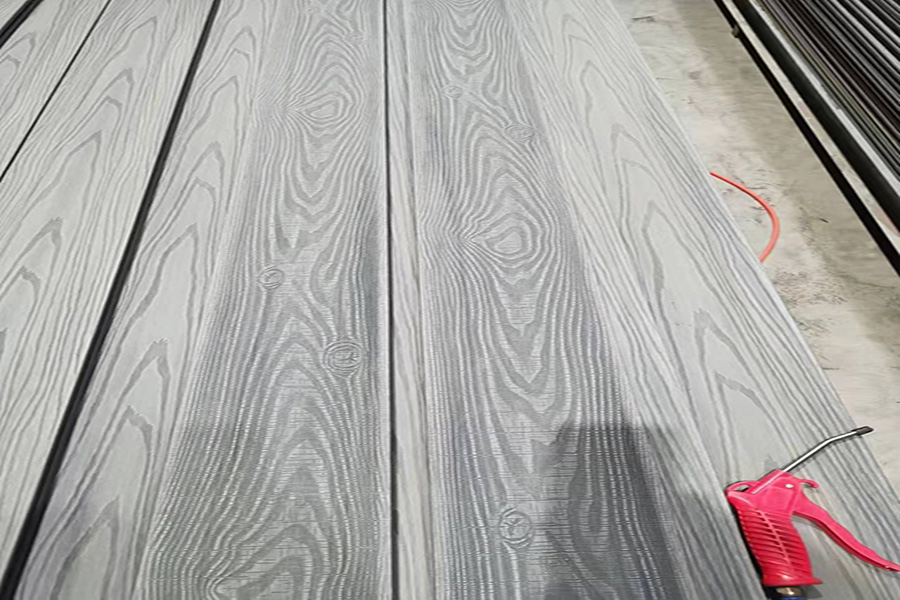
You must match your fastening hardware to your specific deck boards. Different environments and board designs require specific materials. Choosing the wrong clip can lead to squeaky boards or total structural failure. Let us break down your main hardware options.
Contractors generally choose between flexible polymer and rigid metal. Polymer clips offer slight flexibility. They accommodate the natural thermal expansion and contraction of the boards without stressing the delicate groove edges. They work beautifully in areas with extreme temperature swings. Conversely, marine-grade stainless steel clips provide maximum uplift resistance. They are absolutely ideal for high-wind coastal environments or areas with excessive moisture. However, stainless steel requires precise torque control during installation. If an installer over-tightens a steel clip, it can easily crack the composite groove.
Grooved boards only work in the middle of your deck. You cannot use them on stairs, picture-framing borders, or perimeter edges. The visible side groove would look terrible on an exposed edge. These areas require solid, square-edge boards. To maintain the clean aesthetic, contractors use specialized plug systems, commonly known as Cortex. The installer drives a screw beneath the surface. They then tap a flush-cut plug—made from the exact same decking material—over the screw head. The plug perfectly hides the screw while keeping the border looking completely seamless.
Success depends heavily on matching the specific clip gauge to the groove geometry of the boards. You must ensure compatibility. If you use a thin clip in a wide groove, your deck boards will rattle every time you walk on them. To avoid this, always pair your fasteners properly.
Fastener Capability Comparison
| Fastener Type | Material Flexibility | Best Environment | Installation Difficulty |
|---|---|---|---|
| Polymer Clips | High (Accommodates expansion) | Inland, high temperature swings | Moderate |
| Stainless Steel Clips | Low (Rigid hold) | Coastal, high-wind zones | High (Requires torque control) |
| Cortex Plug Systems | None (Direct face-fasten) | Stairs, exposed borders | High (Requires careful drilling) |
Mismatched components lead to frustrating board rattling. Worse, they often result in warranty voidance for your Outdoor Co-Extrusion WPC Decking.
Some traditional builders actively resist modern installation methods. You will frequently see complaints about hidden clips on homeowner forums. You need to understand their hesitations to manage your project successfully.
Many veteran contractors grew up rapid-firing screws through pressure-treated lumber. Hidden clips force them to slow down. The framing must be absolutely perfect. Hidden systems require exact joist spacing, strictly 16" or 12" on center. If the framing is slightly off, the clips will not align properly. Furthermore, sliding clips into board grooves simply takes longer to install than top-screwing. You should anticipate a 15–20% increase in initial labor time. Contractors who underbid the job will often complain when they realize how meticulous the clip installation must be.
We must address the primary drawback transparently. Replacing a single damaged board in the middle of a top-screwed deck is incredibly easy. You just reverse the screws and lift the board out. Hidden clips make this process much harder. You cannot simply lift a board that is locked in on both sides. Replacing a middle board requires cutting it down the center with a circular saw. You then pry out the two halves. Finally, you must use a router to remove the bottom lip of the replacement board so it can drop over the existing clips. This makes routine maintenance slightly more complex.
You must vet your builders carefully to avoid mid-project arguments. Do not assume every contractor knows how to use these systems.
Hidden clips do far more than just improve the visual aesthetic. They actively protect your family and your financial investment over the next several decades.
Wood naturally shifts. Over time, traditional deck screws inevitably pop up above the surface. A popped screw head poses a severe hazard. It can easily slice open a bare foot. Hidden fasteners completely eliminate the risk of popped screw heads over time. This makes them a critical safety metric for families with small children. They are absolutely essential for pool surrounds, hot tub decks, and any high-traffic outdoor living spaces where people walk barefoot.
We know the specialized hardware and meticulous labor cost more upfront. However, you must view this as a long-term investment. Top-down screws invite water into the board core. This moisture induces premature core rot and rapid surface degradation. By eliminating these entry points, hidden clips drastically extend the deck's pristine appearance. You spend less time worrying about repairs and less money replacing damaged boards. This proactive protection significantly improves your long-term ROI.
Most premium composite manufacturers employ strict warranty clauses. They explicitly require installers to use their approved hidden fastening systems. The manufacturer tests their specific boards against their specific clips to ensure compatible expansion rates. Using generic hardware store clips or improper face screws breaks this engineered system. It can instantly void 25-year or lifetime warranties. Always protect your coverage by strictly adhering to the manufacturer's installation guidelines.
Hidden fasteners are not just an aesthetic upgrade for your backyard. They are a structural necessity for getting the maximum lifespan and visual fidelity out of premium composite boards. By eliminating surface penetrations, they block moisture, prevent core rot, and ensure a beautifully smooth walking surface.
You should base your specific hardware decision on the deck's surrounding environment. Consider whether you live in a high-wind coastal zone or an inland area with extreme temperature swings. Always verify the specific capping of your co-extruded boards to match the right clip gauge. Most importantly, verify your builder's competency with modern installation techniques before signing a contract.
Your next step is simple. Review the manufacturer-approved fastener list for your chosen composite board. When you request bids, explicitly require your contractor to include these specific SKUs in their final proposal. This guarantees your deck will look flawless and your warranty will remain fully intact.
A: No. In fact, using the manufacturer’s approved hidden fasteners is usually required to maintain the warranty. Using incompatible off-brand clips or improper face screws is what typically voids coverage.
A: Standard hidden track clips cannot be used on square-edge boards typically required for stairs and borders. These areas require a specialized hidden plug system (like Cortex) to maintain the seamless finish.
A: Expect to pay 20% to 30% more for the hardware itself, plus a potential premium on labor due to the more meticulous installation process. However, this cost is minimal when weighed against the overall investment in WPC materials.
A: It is more labor-intensive than unscrewing a top-fastened board. It generally requires cutting the damaged board down the middle, removing it, and sliding a replacement board into the existing clips with the groove modified on one side.