Views: 0 Author: Site Editor Publish Time: 2026-09-11 Origin: Site


High-moisture environments constantly threaten the physical integrity of exterior structures. Shaded areas, waterside properties, and heavy rainfall zones accelerate the decay of traditional outdoor materials. Property owners frequently face frustrating recurring costs. Rot repair and chemical mold treatments often become an exhausting annual routine. You need a permanent solution built on materials engineered to block moisture absorption entirely. While no outdoor surface remains perfectly immune to environmental debris, modern solutions change the defensive game. Specifically, capped composite varieties eliminate the organic food source fungi require to thrive. They stop mold from penetrating and destroying the structural core. We offer a transparent look at how this advanced synthetic technology actually works in wet climates. You will learn how to evaluate different product grades effectively. We also cover the critical installation realities you must follow to prevent dangerous moisture buildup.
Many manufacturers market their products as entirely mold-proof. This claim remains a persistent industry myth. You must dismantle this unrealistic expectation to protect your investment. Mold spores exist everywhere in natural environments. They constantly drift through the air. Fungi only need three specific elements to thrive. They require moisture, oxygen, and an organic food source. Natural wood fibers provide an excellent meal for these aggressive spores.
Traditional materials fail predictably in damp regions. Unsealed timber absorbs ambient moisture rapidly. This constant absorption allows fungal rot to attack the lumber. The fungi consume the board from the inside out. Structural failure soon follows. High-moisture areas accelerate this biological breakdown.
Advanced WPC Decking changes this dynamic entirely. The manufacturing process encapsulates recycled wood fibers safely inside a durable plastic matrix. This encapsulation starves the fungal spores. Mold might still form on wet surface dirt. It often appears in shaded corners covered in pollen. However, it cannot consume the synthetic board itself. The structural core remains totally protected from biological decay.
You should redefine your success criteria for outdoor projects. The goal shifts away from preventing all microscopic spores. Instead, you focus on preventing structural rot. You want a durable surface you can easily clean. A quick wipe-down should remove surface spores effortlessly. This realistic approach guarantees long-term satisfaction.
Buyers must understand the differences between composite generations. This knowledge helps you shortlist the right product for high-moisture zones. Not all composites perform equally in heavy rain. Let us compare the two primary categories available today.
First-generation uncapped composite mixes wood and plastic. Manufacturers extrude this blend without adding a protective outer shell. This older design leaves some wood fibers exposed on the surface layer. These tiny fibers can absorb trace amounts of surface water. They become mildly susceptible to stubborn mildew stains. Uncapped boards require more rigorous cleaning over time. They represent a compromise between cost and absolute moisture resistance.
Next-generation technology solves these porosity issues completely. Manufacturers engineered a better defensive barrier. Waterproof Co-Extrusion WPC Decking features a specialized outer layer. Factories bond a 100% synthetic polymer cap directly to the composite core. High heat during the extrusion process fuses them together permanently. This advanced outer shield remains entirely non-porous.
This cap acts as an absolute waterproof barrier. Water beads up on the surface instead of soaking in. Fungi cannot find any organic matter to consume. You need this high standard of protection for pool surrounds. Damp climates and deeply shaded yards also require this advanced capping technology to prevent rot.
Table 1: Uncapped vs. Co-Extruded Composite Profiles
| Product Category | Outer Protection Layer | Surface Porosity | Mold Resistance Level |
|---|---|---|---|
| First-Generation WPC | None (Exposed Core) | Low to Medium | Moderate (Surface staining possible) |
| Co-Extruded WPC | 100% Polymer Cap | Zero (Non-Porous) | Maximum (Impervious to core rot) |
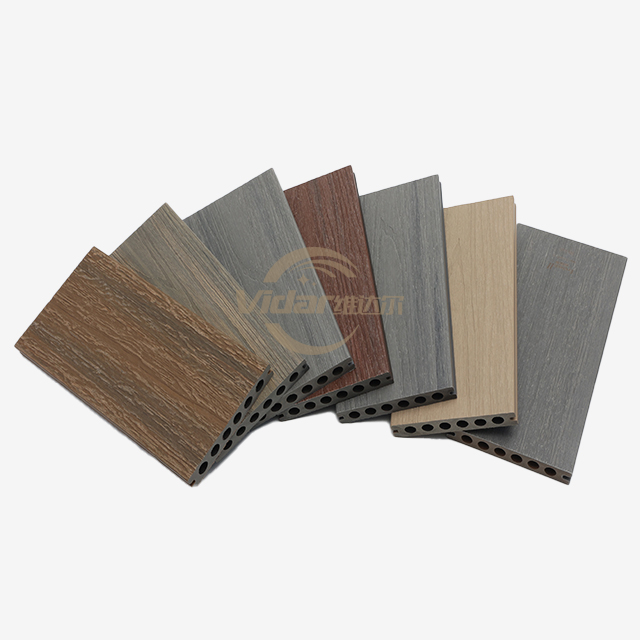
You need a concrete framework for evaluating different composite brands. Certain engineering features dictate how well the board performs in damp conditions. Pay close attention to these specific structural elements during your selection process.
Manufacturers wrap boards in different ways. Top-only capping leaves the underside totally exposed. Ground moisture vapor constantly rises from damp soil. This vapor can penetrate the unprotected bottom layer easily. This hidden moisture often causes severe cupping over time. A 360-degree wrapping method provides much better security. It completely seals the board on all four sides. This comprehensive wrap ensures total moisture resistance against ground evaporation.
The internal composition matters immensely. High-density cores use a higher ratio of high-density polyethylene (HDPE) compared to wood fiber. This robust mixture provides superior structural integrity. Heavy objects sometimes drop and deeply scratch the outer shell. If this happens, a dense core resists water intrusion better. The tight plastic encapsulation slows down any potential degradation of the internal wood flour.
Homeowners usually love heavily embossed wood-grain textures. These patterns mimic real timber beautifully. However, deep artificial grooves can trap rain and pollen easily. Fungi feed on this trapped organic matter eagerly. In extremely damp areas, you must balance aesthetics against practical cleanability. Check the wet-slip ratings carefully before buying. Modern micro-textures offer excellent foot grip. They achieve this safety without creating deep puddles on the board surface.
Best Practices for Material Selection:
A premium board will inevitably fail if the surrounding environment traps water continually. You must engineer moisture out of the entire deck system. Installation realities dictate long-term biological success. Follow these architectural requirements to ensure lasting durability.
Composite materials expand and contract as daily temperatures fluctuate. You must follow strict gap spacing guidelines to accommodate this movement. Installers usually leave a 3/16-inch to 1/4-inch gap between lateral boards. Proper gapping allows rainwater to drain freely to the ground below. It also prevents fallen leaves from bridging the narrow gap. Debris clogs create miniature mold farms quickly. Consistent spacing eliminates these dangerous organic bridges.
Inadequate airflow beneath the deck traps dangerous humidity. This stagnant moisture creates a perfect fungal breeding ground. You must provide sufficient ground clearance. Industry standards typically require a minimum of six inches between the soil and the bottom joists. Cross-ventilation remains absolutely mandatory. Open sides allow prevailing winds to dry the earth beneath. Stagnant damp air will eventually warp the entire structural frame if ignored.
The synthetic decking boards resist rot effectively. However, your treated wood substructure remains highly vulnerable to decay. Standing water destroys wooden frames rapidly. Fungi will attack the joists beneath your pristine surface. We strongly recommend applying joist flashing tape during installation. This waterproof acrylic barrier protects the top edge of the wooden frame. It stops moisture from seeping into the vulnerable screw holes.
Mandatory Installation Checklist:
You need realistic expectations for post-purchase care. Keeping the deck visually flawless requires predictable cleaning routines. Shaded corners receive zero UV exposure from the sun. These specific zones demand more frequent attention from property owners.
You must sweep organic matter away regularly. Do not let wet leaves sit for weeks. Pine needles and pollen break down into a sticky residue. Fungi will bloom on this decaying surface layer. We recommend basic approved cleaning protocols. Use warm soapy water and a soft-bristle brush. This simple combination removes surface dirt safely. A quick scrub breaks the bond between the dirt and the polymer cap. Rinse the area thoroughly afterward.
You must avoid certain aggressive cleaning methods. High-PSI pressure washing damages synthetic decking easily. The intense water jet can slice right through the co-extrusion cap. This exposes the vulnerable core to the elements. Never use harsh, undiluted bleach. Chlorine bleach destroys the surface color permanently. It causes severe polymer degradation. Using bleach will also void most manufacturer warranties immediately. Stick to gentle detergents to preserve your investment.
Modern exterior building materials change how we approach damp environments. Specifically, capped composite lines shift mold from a severe structural threat to a manageable surface nuisance. You no longer need to worry about internal rot destroying your framework. The non-porous polymer shield starves fungal spores effectively.
Combining high-quality materials with strict installation rules guarantees success. Adhering to proper drainage and ventilation guidelines provides the only permanent solution for wet climates. You must manage ground moisture and airflow to protect the underlying joists.
We encourage buyers to take action immediately. Request physical samples to test the non-porous surface yourself. Pour water on the board and observe the resistance. Review manufacturer warranties carefully. Look specifically for clear terms regarding moisture penetration and mildew resistance. Smart planning ensures decades of beautiful, rot-free outdoor living.
A: No. Warranties typically cover structural degradation and permanent staining from mold. They explicitly exclude mold growth caused by uncleaned surface debris. You must maintain basic cleanliness to prevent surface fungal blooms.
A: Use a manufacturer-approved composite deck cleaner. Alternatively, use a simple mixture of mild dish soap and warm water. Scrub lightly using a soft brush. Always avoid harsh chlorine bleach.
A: Modern capped composites feature engineered micro-textures. These patterns provide excellent grip underfoot. They often meet or exceed the slip-resistance of wet, algae-covered traditional wood boards.
A: Yes. Severe moisture vapor rises from unventilated, water-logged ground. This upward pressure causes uneven thermal expansion and contraction. Proper soil grading and cross-ventilation are strictly mandatory for long-term stability.