Views: 0 Author: Site Editor Publish Time: 2026-02-23 Origin: Site


As homeowners and businesses seek more sustainable solutions for their outdoor spaces, eco-friendly decking options have gained significant popularity. Among these, WPC (Wood Plastic Composite) decking stands out as a highly sustainable choice. Made from a blend of recycled wood fibers and plastic, WPC decking offers the aesthetic appeal of traditional wood while minimizing environmental impact. Unlike wood decking, which contributes to deforestation, WPC decking helps reduce waste by utilizing recycled materials and requiring less energy to produce. Additionally, its long lifespan and minimal maintenance needs further support its position as an eco-friendly alternative. In this article, we'll explore why WPC decking is an excellent choice for those looking to create a sustainable outdoor environment.
WPC (Wood Plastic Composite) decking is a sustainable material created by blending wood fibers with recycled plastic. Typically, it consists of about 50% wood fibers, 40% recycled plastic, and 10% additives. The manufacturing process involves mixing these components, which are then heated and extruded into decking planks. These planks are cut, shaped, and finished to provide a product that mimics the appearance of natural wood while offering superior durability and resistance to the elements. WPC decking combines the aesthetic appeal of wood with the strength and low-maintenance properties of plastic, making it an ideal choice for outdoor spaces.
Traditional wood decking requires harvesting timber from forests, contributing to deforestation and habitat loss. In contrast, WPC decking is made from recycled materials, significantly reducing waste and the demand for new timber. By using recycled plastic and wood fibers, WPC decking minimizes the environmental impact associated with raw material extraction. Additionally, WPC decking requires less energy during its production process compared to wood, further reducing its overall carbon footprint. WPC also eliminates the need for chemical treatments, such as sealants and stains, which are commonly used with wood decking, making it a safer and more eco-friendly option for outdoor use.
WPC decking offers several sustainability benefits over traditional wood. By utilizing recycled plastic and wood fibers, it reduces the amount of waste that ends up in landfills. Furthermore, its longer lifespan means fewer replacements are needed, leading to a reduction in material consumption over time. The low-maintenance nature of WPC decking also reduces the need for harmful chemicals, contributing to a cleaner and safer environment. These combined advantages make WPC decking a strong choice for those looking to build environmentally friendly outdoor spaces.
WPC decking is made from recycled plastic and wood fibers, which helps divert waste from landfills. By repurposing plastic and wood waste, WPC decking reduces the environmental burden of plastic production and timber harvesting. This contributes to a circular economy by reusing materials rather than producing new ones.
One of the major environmental benefits of WPC decking is that it reduces the need for new timber. By utilizing recycled wood fibers, WPC decking helps preserve forests and reduces the demand for logging. This reduction in deforestation helps protect biodiversity, conserve ecosystems, and combat climate change by preserving carbon-storing forests.
The production of WPC decking generally requires less energy than the processing and treatment of traditional wood decking. WPC decking’s manufacturing process is more efficient, as it doesn’t require the same extensive use of chemicals, treatments, or extensive labor involved in traditional wood processing. This energy efficiency further minimizes the carbon footprint of the product.
WPC decking is known for its long lifespan, often lasting 20-30 years with minimal maintenance. Unlike wood decking, which can degrade, warp, or rot over time, WPC decking is highly resistant to moisture, insects, and UV damage. Its durability reduces the need for frequent replacements, further lowering its environmental impact. Fewer replacements mean fewer resources are consumed, making WPC decking a sustainable choice over the long term.
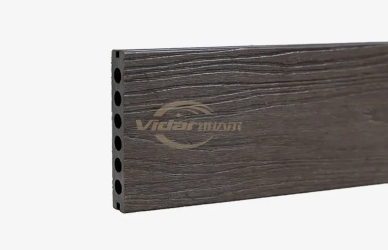
WPC decking requires significantly less maintenance than traditional wood decking. Unlike wood, which needs regular sealing, staining, and painting to protect it from the elements, WPC decking is virtually maintenance-free. It does not require the use of harmful chemicals, which are typically necessary for wood decking to maintain its appearance and protect it from moisture, insects, and UV rays. This reduces the overall environmental impact of maintaining your outdoor space, making WPC a safer, more sustainable option.
Many WPC decking products are recyclable at the end of their lifespan, further supporting a circular economy. As WPC decking is made from recycled plastic and wood fibers, it can often be recycled again after use, reducing waste and the need for new raw materials. This ability to be reused or repurposed adds to its sustainability, making it an environmentally responsible choice for outdoor spaces.
WPC decking has an advantage over traditional wood in terms of energy efficiency. Unlike wood, which can absorb and trap heat, WPC decking typically absorbs less heat, keeping outdoor spaces cooler. This can reduce the need for artificial cooling systems such as fans or air conditioning, especially in hot climates. The ability to maintain a cooler surface temperature can also enhance comfort when using outdoor spaces during warmer months.
There are several other eco-friendly decking options, such as bamboo and recycled plastic decking, that are gaining popularity. Bamboo is a renewable resource, growing much faster than traditional wood, and it is strong and durable. However, bamboo can be susceptible to moisture and pests without proper treatment, and its manufacturing process may involve chemical treatments. Recycled plastic decking is another alternative, offering high durability and low maintenance, but it lacks the aesthetic appeal of wood and can be less environmentally friendly due to the use of 100% plastic materials.
WPC decking is considered a superior choice for many due to its balanced performance in terms of cost, sustainability, and durability. It combines the eco-friendly benefits of recycled materials with the aesthetic appeal of wood. Compared to bamboo, WPC is more resistant to moisture and insects, making it better suited for outdoor environments. Compared to recycled plastic, WPC offers a more natural wood-like appearance while being made from a combination of plastic and wood fibers, which helps reduce plastic waste. Additionally, WPC’s long lifespan, low maintenance requirements, and recyclability make it a more sustainable choice over time, offering both environmental and practical benefits.
WPC decking is made from recycled plastic and wood fibers, which helps reduce waste and the need for new timber, thus combating deforestation. The production process for WPC decking also requires less energy than the manufacturing of traditional wood decking, further minimizing its environmental impact. Additionally, WPC decking’s longevity and low maintenance reduce the frequency of replacements, contributing to less waste over time.
Yes, many WPC decking products are recyclable at the end of their lifespan. This makes WPC an environmentally friendly choice as it can be repurposed into new products, reducing the amount of waste that ends up in landfills. The ability to recycle WPC decking supports a circular economy, where materials are reused rather than disposed of.
No, WPC decking doesn’t require harmful chemical treatments such as staining, sealing, or pressure treatments that are typically necessary for wood decking. This makes it a safer and more eco-friendly option, as it avoids the use of chemicals that can be harmful to the environment and human health. WPC decking only requires occasional cleaning to maintain its appearance.
While bamboo is considered an eco-friendly material due to its fast growth rate, WPC decking offers greater durability and a longer lifespan. Bamboo is more susceptible to moisture and insect damage unless treated, whereas WPC decking is more resistant to weathering, rotting, and pests. Additionally, WPC decking requires less maintenance and has a longer service life, making it a more sustainable choice over time, especially in harsh outdoor conditions.
WPC decking offers a range of environmental advantages, making it an excellent eco-friendly choice for outdoor projects. By utilizing recycled materials such as plastic and wood fibers, WPC decking reduces waste and the need for timber, helping to preserve forests and reduce deforestation. Its low maintenance requirements mean fewer harmful chemicals are needed, unlike traditional wood decking, which requires regular staining and sealing. Additionally, WPC decking is recyclable at the end of its life, contributing to the circular economy. With its long lifespan, minimal upkeep, and energy-efficient properties, WPC decking offers a sustainable alternative that outperforms other materials in terms of both environmental impact and durability. Overall, WPC decking is a great eco-friendly solution for homeowners and businesses looking to enhance their outdoor spaces while making a positive contribution to the environment.