Views: 0 Author: Site Editor Publish Time: 2026-08-17 Origin: Site


Every builder faces a frustrating dilemma when switching materials. Traditional wood rules dictate extensive moisture acclimation before you ever touch a saw. However, composite materials behave completely differently. This difference often leads to deep confusion on the job site. While composite boards resist moisture brilliantly, they still react heavily to local environmental changes. The core materials expand and contract significantly based on temperature shifts.
Skipping this essential pre-installation preparation creates massive risks for your project. You might face sudden structural failures down the line. You could see ugly, dangerous gaps or severe buckling across your beautiful new deck. Worse, ignoring these steps almost always voids your manufacturer warranties immediately. In this guide, we break down exactly how to prepare your boards properly. You will learn the correct timeline for material stabilization. We also cover climate-specific spacing strategies to guarantee a flawless, long-lasting installation.
Natural wood behaves like a sponge. It absorbs moisture from the humid air and swells outward. When the air turns dry, wood releases moisture and shrinks. WPC Decking operates on an entirely different physical principle. Composites expand and contract primarily due to temperature variations, not moisture levels. We call this phenomenon thermal expansion. Wood moves across its width. Composites move primarily along their length.
You must look at the specific composition factor of the boards. Composites blend wood fibers and thermoplastic polymers. The wood fiber provides strength and rigidity. The plastic provides superior weather resistance and durability. However, plastic responds aggressively to heat. A higher plastic-to-wood-fiber ratio means the board will stretch further on a hot afternoon. It will shrink tighter on a freezing night. Understanding this balance changes your physical response to the installation environment.
We see this clearly when working with advanced materials. Outdoor Co-Extrusion WPC Decking features an incredibly durable outer shell. This capped surface offers superior moisture blocking and UV resistance. It stops rain from penetrating the core. Yet, the thermal expansion coefficient of the inner core remains a dominant factor. The protective cap does not stop the board from heating up in the sun. Therefore, the board will still grow longer as it absorbs solar heat.
Acclimation Factor Comparison
| Material Type | Primary Trigger for Movement | Direction of Movement | Acclimation Focus |
|---|---|---|---|
| Natural Wood | Moisture / Humidity | Width (Across the grain) | Moisture content equalization |
| Composite Decking | Temperature (Heat / Cold) | Length (End-to-end) | Thermal stabilization |
Skipping the acclimation period invites disaster to your job site. Installation-stage risks compound quickly when boards fail to stabilize. Consider a common winter scenario. You install cold, fully contracted boards tightly together on a frosty morning. Summer arrives a few months later. Those boards heat up and begin to expand forcefully. Since you left no room for growth, they crash into each other. They buckle upwards. They warp out of shape completely.
The reverse scenario proves equally destructive. Imagine installing hot, expanded boards in the middle of an August heatwave. You leave standard gaps between the ends. December arrives, and the temperatures plummet. Those stretched boards shrink back to their contracted state. This results in unsightly, dangerously wide gaps. These gaps trap debris and create major tripping hazards for homeowners.
Extreme expansion and contraction also cause severe structural stress. Consider the immense physical force generated by a moving board.
We must also discuss warranty implications. Almost all manufacturers require strict adherence to their published acclimation rules. They provide precise gapping charts for a reason. If your deck fails, manufacturers will inspect the installation. They measure the gaps. If they discover you skipped acclimation or ignored the charts, they void the warranty instantly. This leaves you completely responsible for replacement costs.
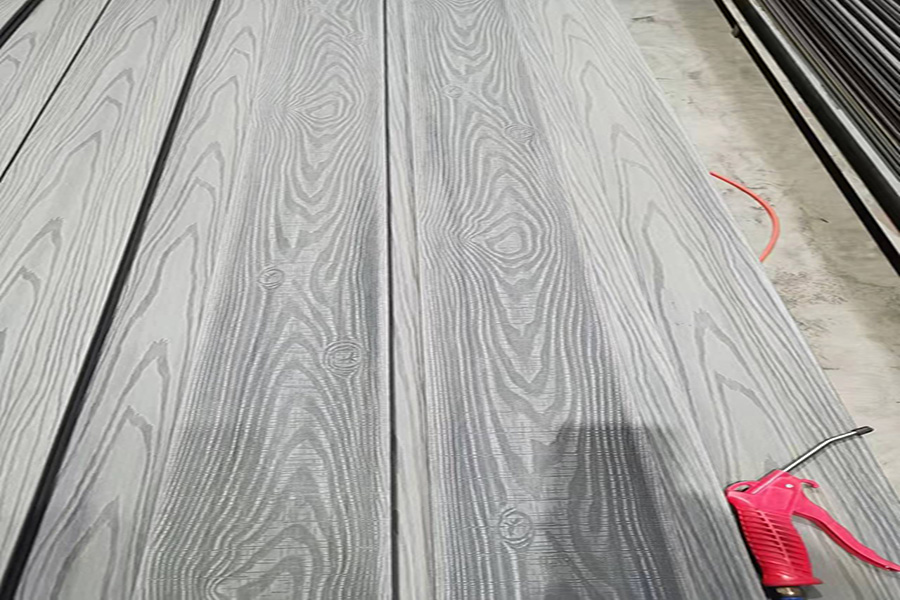
Proper acclimation starts the moment your material delivery arrives. Location and placement dictate your success. You must store boards as close to the actual installation site as possible. The materials need to experience the exact microclimate of the final deck location. Do not acclimate boards in a heated garage if you plan to install them outdoors in the cold. Moving a 70°F board into 40°F weather guarantees inaccurate cuts.
You must follow a strict stacking protocol to prevent physical damage before installation begins.
Shade allows for proper ambient air temperature equalization. You want the boards to match the air temperature around them. Avoid direct, baking sunlight. Direct solar radiation skews the board's temperature artificially high. A board sitting in direct sun might read 130°F while the air is only 75°F. This creates a false expansion state.
Finally, focus on unpackaging. You must remove factory plastic wrap or tight banding bands immediately upon delivery. Plastic wrap prevents necessary airflow around the materials. It also traps heat rapidly. This creates a dangerous "greenhouse effect" inside the packaging. Boards trapped inside hot plastic will expand unevenly. Cutting the bands lets the boards breathe, cool down, and settle into their true lengths.
Every successful project relies on understanding the installation temperature window. The ideal ambient temperature range for installation typically falls between 50°F and 80°F (10°C and 27°C). Operating within this "Goldilocks zone" minimizes extreme expansion or contraction. It keeps the WPC Decking relatively neutral. You can confidently follow standard spacing guidelines when working in these comfortable conditions.
However, extreme climates demand modified spacing strategies. You must adjust your butt joint gaps based on the weather outside.
When installing in the cold, remember that your boards are fully contracted. They sit at their shortest possible length. You must leave larger gaps at the butt joints. When the weather inevitably warms up, the boards will grow into those gaps safely. If you install tight in the cold, buckling is mathematically guaranteed.
When installing in the heat, the opposite rule applies. Boards baking in the summer sun are fully expanded. They sit at their maximum possible length. You should leave minimal gaps at the butt joints in this scenario. When winter arrives, the boards will shrink. Leaving a large gap in summer means you will have an impossibly wide gap by January.
Thermal Gapping Strategy Guide
| Current Installation Temperature | Board State | Required Butt Joint Gap Size | Future Risk if Ignored |
|---|---|---|---|
| Below 50°F (10°C) | Contracted (Short) | Maximum gap required | Severe buckling in summer heat |
| 50°F to 80°F (10°C - 27°C) | Neutral (Stable) | Standard gap required | Minor aesthetic shifting |
| Above 80°F (27°C) | Expanded (Long) | Minimum gap required | Dangerous, oversized gaps in winter |
You must always reference your specific manufacturer's gapping chart. Do not guess. Exact millimeter and inch requirements vary wildly by brand. They also vary based on the specific length of the board you use. A 20-foot board expands twice as much as a 10-foot board. Always keep the brand-specific thermal expansion chart in your toolbelt.
Before you make a single cut, you need to verify site conditions thoroughly. Ensure proper drainage and ventilation under the deck substructure. Ground moisture does not ruin composite boards directly, but it creates terrible humidity. More importantly, a lack of ventilation exacerbates heat buildup. If hot air gets trapped under the deck, it cooks the boards from underneath. This uneven heating causes severe warping over time.
Next, you must verify the material temperature accurately. Never rely on the weather app on your phone.
Finally, you must plan your cuts intelligently. Cut your boards immediately before fastening them to the joists. Do not pre-cut all your boards in the morning and leave them sitting around. If you cut a board at 8 AM, its length will change significantly by 3 PM in the afternoon heat. Measure, cut, and fasten in one continuous motion. This guarantees your gaps remain exactly where you planned them.
Acclimating your composite materials is a remarkably short but critical step. This 24-to-48-hour period focuses entirely on thermal stabilization, setting your project up for permanent success. By allowing the boards to adjust to the ambient temperature, you prevent catastrophic movement later.
Moving forward, always treat your manufacturer’s installation guide as the ultimate authority. Verify their specific gapping charts before making your first cut. Plan your installation times wisely, and use an infrared thermometer to confirm board temperatures. Proper acclimation and strategic gapping truly serve as the cheapest insurance policies against a failing deck.
A: Typically 24 to 48 hours, though this depends on the temperature difference between where it was stored and the final installation site. Allow enough time for the core temperature of the boards to match the outside air.
A: No. Direct sunlight can superheat the boards beyond ambient air temperatures, leading to inaccurate gap measurements during installation. Acclimate them in the shade or under a breathable tarp.
A: No. Because WPC and co-extruded decking are highly moisture-resistant, rain will not cause the boards to swell. However, they should be completely dry before applying adhesives or certain types of hidden fasteners.
A: No. Wood shrinks and swells across its width (grain), while WPC decking expands and contracts primarily along its length. End-to-end (butt joint) spacing rules are fundamentally different and require strict adherence to WPC-specific guidelines.