Views: 0 Author: Site Editor Publish Time: 2026-09-09 Origin: Site


Many homeowners finalize their deck purchase with one nagging fear. They worry about building a stunning new outdoor living space only to find it entirely too hot for bare feet during a sweltering July afternoon. This hesitation often halts exciting renovation plans. Let us clarify the reality. Like any outdoor building material, composite boards absorb heat when exposed to direct, intense sunlight. However, modern manufacturing has drastically changed their thermal performance. Today's advanced engineering mitigates extreme heat retention. This article serves as your comprehensive buyer’s guide. We will explore thermal retention principles in modern composites. You will learn how to evaluate cutting-edge cooling technologies. Ultimately, we will help you make a smart, climate-appropriate purchasing decision for your backyard sanctuary.
Understanding surface temperatures requires a brief look at basic physics. Manufacturers create WPC Decking by combining wood fibers and thermoplastic polymers. This fusion creates a material much denser than standard softwood lumber. Higher density translates to a higher thermal mass. The boards absorb solar radiation steadily throughout the day. However, they do not necessarily get hotter than heavily stained pressure-treated pine or cedar. Heat absorption depends heavily on density and pigment.
Homeowners often incorrectly assume composites perform worse than natural materials in extreme heat. We must look at the data across different outdoor surfaces to set an accurate baseline.
Baseline Surface Temperature Comparisons
| Material Type | Thermal Mass | Heat Retention After Sunset | Heat-Related Degradation Risk |
|---|---|---|---|
| Concrete / Paver Stone | Very High | Retains heat for hours after dark | Cracking over extreme temperature shifts |
| Traditional Wood (Dark Stain) | Medium | Cools moderately fast | High risk of heat-induced splintering |
| Modern WPC Boards | High | Rapid cooling once shaded | Zero risk of heat-induced splintering |
Let us perform a quick trust and transparency check. In 90°F+ peak summer sun, any dark-colored deck will feel uncomfortable for bare feet. This rule applies to wood, composite, and concrete alike. Setting realistic expectations prevents post-purchase disappointment. Sunlight transfers thermal energy. Darker pigments absorb this energy. We must focus on how fast the material cools down and how structural integrity holds up under extreme thermal stress.
Best Practice: Never assume a deck will remain cool to the touch at 2:00 PM in July based on material alone. Plan your usage around shading and natural cooling cycles.
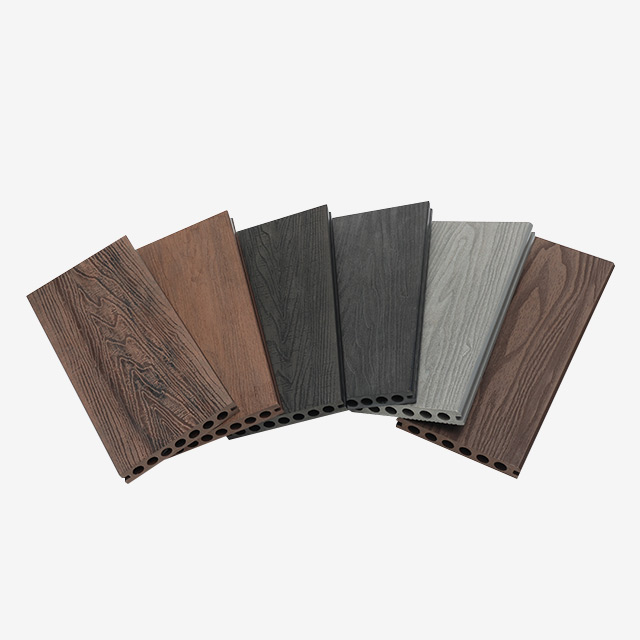
Surface temperature rarely depends on a single factor. Several core variables interact to determine how hot your outdoor space will feel during peak summer hours.
Color dictates heat retention more than any other variable. This concept ties directly to Light Reflectance Value (LRV). LRV measures the percentage of light a color reflects. Dark grays and deep browns possess low LRV scores. They absorb the vast majority of solar energy. Light grays, tans, and pale cedars have higher LRV scores. They bounce solar radiation back into the atmosphere. Choosing a lighter shade can drop the surface temperature significantly.
Texture plays a surprisingly vital role in thermal dynamics. Smooth, glossy plastics offer no disruption to solar radiation. They bake evenly and intensely. In contrast, embossed wood-grain textures create microscopic shadows across the board's surface. These micro-shadows slightly aid in heat dissipation. They break up the direct path of UV rays. This texturing prevents the board from acting like a flat solar panel.
You can use aesthetics to drive functional cooling. Opting for Vintage Color WPC Decking represents a highly strategic choice. These boards often feature weathered, multi-tonal, and distressed color patterns. The lighter streaks inherent in vintage styles naturally reflect more UV rays. You gain a beautiful, rustic appearance while actively mitigating peak surface temperatures. It upgrades the functional usability of high-sun exposure areas.
Ambient air temperature only tells half the story. Your backyard's micro-climate matters just as much. A deck facing direct south or west without any natural tree canopy will test the limits of any material. A 75°F day in direct, unfiltered afternoon sun can heat dark boards faster than a 90°F day under partial shade. Evaluate your specific yard orientation before finalizing your color selection.
Composite technology has evolved rapidly over the last two decades. Buyers must understand the generational differences between board types to make an informed decision.
Early composites earned a poor reputation for heat retention. Manufacturers produced first-generation boards without any protective outer layer. These uncapped profiles absorbed moisture and solar energy directly into the exposed wood fibers. This led to uncomfortable heat retention, rapid color fading, and severe thermal expansion. Many older decks warped heavily under the summer sun.
Today, premium manufacturers utilize co-extrusion technology. This process wraps the composite core in a highly durable, engineered polymer shell. Modern capping extends far beyond basic stain resistance. Premium variants now incorporate advanced UV inhibitors. They also utilize specialized cooling pigments designed to reflect infrared light. These shell technologies bounce thermal energy away before it penetrates the dense core.
Consider this a long-term performance decision. Investing in high-quality capped boards ensures superior thermal traits remain intact for decades. The protective shell guarantees color vibrancy remains stable for 25+ years. You will never need to apply reflective sealants or cooling paints. The integrated UV resistance functions continuously, offering reliable structural stability season after season.
Common Mistake: Choosing cheaper, uncapped boards for a fully exposed southern-facing yard. The initial savings quickly vanish when the deck becomes too hot to use and fades unevenly within five years.
Choosing the right materials for a full-sun environment requires a systematic approach. You need a reliable framework to evaluate your options objectively.
Start by defining what success looks like for your space. Do you need a surface safe for toddlers crawling in the afternoon? Do you have pets requiring safe passage during peak summer hours? Define your exact requirements first. You want a low-maintenance surface yielding maximum comfort. Clear project goals prevent you from prioritizing aesthetics over practical safety.
Analyze your options using two primary dimensions.
We highly recommend performing a real-world thermal test. Do not guess how a board will perform. Order several physical samples directly from the manufacturer. Include a few lighter or vintage-toned options in your sample pack.
Place these samples in the exact location of your future deck. Leave them exposed for 48 hours. Walk out and physically touch the samples at 2:00 PM. This simple, tactile test evaluates real-world comfort accurately. It removes all the guesswork from your decision.
Follow a strict process of elimination to finalize your choices.
Material selection only solves part of the thermal puzzle. Smart site design and proper installation dictate the final comfort level of your outdoor living space.
Incorporate shade infrastructure directly into your initial build plan. Do not wait until the deck finishes baking in July to realize you need relief. Integrate custom pergolas over the main seating areas. Install shade sails attached to sturdy posts. Consider heavy-duty cantilever umbrellas for flexible, movable shade. Blocking direct UV rays drastically drops the surface temperature of any composite material.
Airflow significantly impacts heat dissipation. Proper ground clearance remains critical for convective cooling. Heat needs an escape route. Follow manufacturer guidelines regarding minimum joist spacing and ground clearance. Trapped air beneath a deck heats up rapidly. This trapped heat transfers directly upward into the floorboards. Adequate cross-ventilation underneath the structure helps the boards cool down quickly once the sun begins to set.
You can employ simple surface additions for immediate relief. Place breathable outdoor rugs in high-traffic seating areas. These rugs protect bare feet during the hottest two to three hours of the day. Ensure you select rugs safe for composite surfaces. Avoid rubber-backed mats. Rubber can trap moisture and cause discoloration on the capping layer.
Creating a beautiful, comfortable outdoor space requires balancing aesthetics with environmental realities. Composite materials naturally absorb heat, but they offer incredible durability and zero splintering risks. You can easily overcome thermal challenges by making informed choices during the planning phase.
Keep these action-oriented steps in mind:
By leveraging modern manufacturing advancements and smart site design, you guarantee a functional, bare-foot-friendly sanctuary for decades to come. Reach out to a material specialist today to request your samples and begin testing your options.
A: Yes, but it requires the same precautions as asphalt or wood. Use the "7-second back-of-hand test" before letting pets out at peak hours. If it feels too hot for your hand, it is too hot for their paws. Utilizing shade sails and outdoor rugs helps mitigate this issue perfectly.
A: No, quality WPC is manufactured to withstand standard environmental extremes. However, improper installation without adequate expansion gaps can cause warping. Always follow manufacturer guidelines closely to ensure structural integrity remains intact during heatwaves.
A: It depends heavily on the specific generation of the material. Capped boards are highly fade-resistant due to UV inhibitors integrated into the protective shell. Older uncapped versions will experience a natural weathering process and lighten slightly over their first few months.