Views: 0 Author: Site Editor Publish Time: 2026-03-12 Origin: Site


Wood Plastic Composite (WPC) decking has rapidly become a popular choice for homeowners looking to enhance their outdoor spaces. Known for its durability, low maintenance, and eco-friendly properties, WPC decking provides an excellent alternative to traditional timber decking. However, like any construction project, installing WPC decking requires careful planning and attention to detail. Even a small mistake can lead to frustrating issues down the line, such as uneven decking, structural damage, or decreased performance.
In this article, we’ll cover the common mistakes to avoid when installing your WPC decking to ensure a smooth and successful project. We will also provide helpful tips on how to achieve the best results, saving time and money in the long run.
WPC decking is a composite material made from a mixture of wood fibers and plastic. The blend creates a product that combines the aesthetics of wood with the durability of plastic. WPC decking is used for a wide range of outdoor applications, from backyards and patios to pool decks and commercial spaces. It offers numerous benefits, including resistance to moisture, insects, and UV rays, and requires far less maintenance than traditional wood decking.
One of the first mistakes homeowners make when installing WPC decking is failing to acclimate the decking boards before installation. WPC decking boards, like any other material, can expand or contract with changes in temperature and humidity. If the boards are not properly acclimated to the installation environment, they may shrink or expand after installation, causing gaps or warping in the deck.
How to Avoid It:
Allow your WPC decking boards to sit in the installation area for 48-72 hours before installation. This gives the boards time to adjust to the temperature and humidity levels of the outdoor space. This will help ensure that the boards are at their optimal size and shape for installation, preventing future issues related to expansion or contraction.
Each WPC decking product is slightly different in terms of installation requirements, and ignoring the manufacturer's installation instructions is a common mistake. These instructions typically include important details about spacing, fastener requirements, and environmental considerations. Failing to follow the recommended guidelines can result in uneven gaps between the boards, improper installation of fasteners, or even damage to the decking material.
How to Avoid It:
Before starting the installation, thoroughly read and understand the manufacturer’s instructions that come with your WPC decking. Follow the guidelines for spacing between the boards, fixing methods, and the recommended tools to ensure a flawless installation process. This step will not only make the installation easier but also ensure that the deck performs well in the long term.
The substructure of your WPC deck plays a crucial role in ensuring that the deck remains level, stable, and securely fastened. One common mistake is not setting up the substructure correctly. An uneven or unstable substructure can lead to sagging boards, uneven gaps, and potential structural issues down the line.
How to Avoid It:
Make sure that your substructure is level, square, and built from high-quality materials that can support the weight of the WPC decking. Use treated lumber or metal framing for the substructure, and ensure that the joists are spaced according to the manufacturer’s specifications (typically 16 to 24 inches apart). Ensure that the framing is securely anchored and level, as this will provide the foundation for a stable and safe deck.
Proper drainage is essential for the longevity of your WPC decking. If water isn’t able to drain properly from the deck, it can lead to pooling, water damage, or mold growth beneath the boards. One of the most common mistakes is not providing adequate spacing between the boards for water to flow freely or failing to ensure that the deck has a slight slope for water runoff.
How to Avoid It:
Ensure that your deck is built with the correct slope for drainage. A slope of 1/8 inch per foot is typically sufficient to ensure water flows away from the deck rather than pooling. Additionally, leave enough spacing between the decking boards (usually 1/8 inch to 1/4 inch) to allow for proper airflow and drainage. This will help prevent water from accumulating and ensure that your deck remains in good condition for years to come.
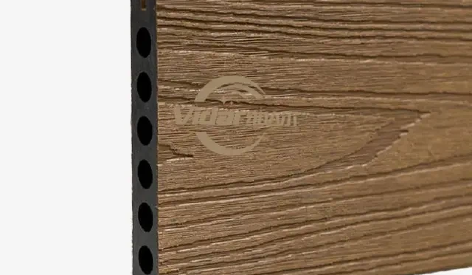
Another mistake homeowners make when installing WPC decking is using the wrong fasteners. WPC decking is designed to be installed using specific fasteners that are compatible with the material. Using standard wood screws or nails can lead to unsightly surface damage, including rust stains and compromised structural integrity.
How to Avoid It:
Use the fasteners recommended by the manufacturer of your WPC decking. Most WPC decking products are designed to be installed with hidden fasteners or clips, which create a smooth, clean finish without visible screws or nails. If screws are necessary, use corrosion-resistant screws made specifically for composite decking. These fasteners will not only ensure that your deck is securely installed but also protect the surface from rust or damage.
While it’s important to secure the decking boards with the appropriate fasteners, overtightening them is a common mistake. When fasteners are tightened too much, they can cause the WPC boards to compress or warp, leading to unsightly bulges or gaps in the decking. Over-tightening can also damage the plastic components of the decking, weakening its structure over time.
How to Avoid It:
Tighten the fasteners until they are secure but be sure not to overtighten. If you're using screws, stop turning the screwdriver when the screw is flush with the surface of the board. For hidden fasteners, follow the manufacturer’s instructions for the recommended tightness. The goal is to ensure the boards are securely fastened without causing unnecessary stress on the material.
One of the most important aspects of installing WPC decking is ensuring the correct spacing between the boards. Incorrect spacing can lead to issues such as water buildup, poor airflow, and an unappealing appearance. While it’s important to follow the manufacturer’s recommended spacing, homeowners sometimes neglect this step, which can cause long-term problems.
How to Avoid It:
Follow the manufacturer’s guidelines for spacing between the boards. Typically, spacing should be between 1/8 inch to 1/4 inch depending on the size of the boards and the climate. Proper spacing ensures that the deck will allow water to drain freely, reduce the likelihood of mold or mildew growth, and maintain the deck’s appearance and functionality over time.
Like all materials, WPC decking expands and contracts with temperature changes. Failing to account for this natural expansion and contraction can lead to warping or gaps in the decking. Proper spacing and installation techniques are necessary to allow for this movement.
How to Avoid It:
Ensure you leave adequate space between the boards and the edges of the deck to accommodate expansion and contraction. Most manufacturers recommend leaving expansion gaps around the perimeter of the deck as well as between the boards to allow for this natural movement. Proper installation will help prevent buckling, warping, or gaps that can occur as the WPC material expands and contracts.
While WPC decking is resistant to moisture and weathering, the edges of the boards are still vulnerable to water penetration. Over time, moisture can seep into the edges and cause the material to degrade. Failing to seal the edges properly is a common mistake that can shorten the lifespan of your deck.
How to Avoid It:
Seal the edges of the WPC decking with a compatible sealant or finish to provide extra protection against moisture. This step is particularly important in areas with high humidity or frequent rainfall. By sealing the edges, you will help protect the decking from water damage and ensure that it lasts longer.
Installing WPC decking is a great way to enhance the beauty and functionality of your outdoor living space. However, to ensure that your deck lasts for many years and performs as expected, it’s essential to avoid common mistakes during installation. By properly acclimating your decking boards, following manufacturer guidelines, ensuring proper drainage and spacing, and using the right fasteners, you can enjoy a smooth and successful installation process.
For more information on high-quality WPC decking options and to ensure a successful installation for your outdoor project, Vidar Material Technology Co., Ltd. offers a range of reliable decking solutions tailored to your specific needs.
Q: What is WPC decking?
A: WPC decking is a composite material made from wood fibers and plastic, designed to be durable, low-maintenance, and resistant to moisture and insects.
Q: Do I need to seal WPC decking?
A: WPC decking requires minimal maintenance and does not need sealing. However, sealing the edges can help protect against moisture damage.
Q: How long does WPC decking last?
A: With proper installation and maintenance, WPC decking can last 25 years or more, outlasting traditional wood decking.
Q: Can WPC decking be installed around a pool?
A: Yes, WPC decking is ideal for pool areas due to its slip-resistant surface and moisture resistance, making it safe and durable around water.