Views: 0 Author: Site Editor Publish Time: 2026-08-28 Origin: Site


The transition from traditional wood to composite materials solved many outdoor maintenance issues. Homeowners no longer spend their summers sanding or staining patio boards. However, buyers now face a crucial secondary choice during procurement. They must select between capped and uncapped options. Upfront material savings define the uncapped route. Meanwhile, long-term aesthetic and structural preservation define capped versions. Both represent viable choices for outdoor spaces today. However, deploying the wrong material causes severe problems. Environmental exposure leads to premature fading over time. Moisture ingress accelerates material breakdown in wet climates. These issues cause unexpected aesthetic failures and replacement needs. This guide explores the core structural differences carefully. We evaluate physical performance metrics across different climates. You will learn how polymer shields alter outdoor durability. We also cover installation nuances and thermal expansion risks. Finally, we offer a clear decision framework. This helps you select the exact right material for your project.
We often call uncapped boards first-generation composite technology. Manufacturers create a homogenous blend of wood fibers and thermoplastics. They mix wood dust with recycled high-density polyethylene (HDPE). This mixture forms the entire body of the board. The core material faces the external environment directly. It lacks any additional protective layers. This single-layer construction simplifies the manufacturing process. It keeps initial production costs relatively low. Many builders still utilize these materials for basic projects.
However, this direct exposure creates distinct vulnerabilities. Exposed wood fibers sit right on the board surface. These natural fibers create microscopic pathways. Moisture travels down these tiny channels easily. Dirt and pollen settle into the porous grain. Liquid spills soak directly into the core matrix. This absorption weakens the internal structure over time. Water saturation leads to swelling and warping. The organic wood content remains susceptible to rot. Mildew spores find a perfect breeding ground inside these damp fibers.
Common Mistake: Many homeowners assume all composites remain entirely waterproof. First-generation uncapped boards are water-resistant, not waterproof. Standing water will eventually penetrate the exposed organic fibers.
Co-extrusion technology fundamentally changed the composite industry. We refer to these advanced materials as capped decking. They utilize the exact same inner composite core. However, the manufacturing process adds a critical step. Machines simultaneously extrude an impermeable polymer shell over the core. Manufacturers bond this shell at a molecular level. The shield wraps around one, three, or all four sides of the board. Four-sided caps offer the highest level of comprehensive protection. They seal the bottom and grooves entirely.
This high-performance shell acts as permanent armor. It shields the vulnerable core from environmental stressors. The polymer blocks moisture, sunlight, and oxygen. It performs this duty without compromising structural integrity. The core still provides essential rigidity and strength. Meanwhile, the outer cap handles the physical abuse. You get the heavy-duty stability of dense composite material. You also gain the impenetrable surface of engineered plastics. This dual-layer approach represents current industry best practices. It solves the inherent weaknesses found in first-generation profiles.
Sunlight aggressively degrades outdoor building materials. Uncapped boards experience a highly predictable weathering phase. They lighten in color significantly during the first few months. Exposed wood tannins react chemically to intense UV rays. This reaction causes a natural bleaching effect. The rich factory color fades into a lighter, muted tone. Buyers often feel surprised by this rapid shift. We advise planning for a 10-20% color reduction initially.
Conversely, co-extruded boards resist this solar degradation. Manufacturers engineer advanced UV inhibitors directly into the shell. Utilizing Anti-UV Capped WPC Decking ensures maximum color stability. It prevents severe chalking or extreme fading. The polymer layer blocks UV radiation effectively. Your patio retains its original aesthetic for decades. You avoid the frustrating color shifts associated with older technologies.
Moisture represents the greatest threat to outdoor floors. Uncapped surfaces are inherently porous and absorbent. They soak up accidental spills quickly. Hamburger grease, red wine, and rust penetrate the fibers. Organic leaf matter settles deeply into the artificial grain. You must pressure wash these older boards frequently. You may also need harsh chemical treatments. These chemicals kill mold taking root inside the wood dust.
Capped surfaces feature completely non-porous characteristics. The synthetic shell blocks liquid penetration entirely. Water simply beads up on the surface. Spills wipe away easily with mild soap. Stains cannot lock into the material structure. Mold and mildew spores cannot root into the plastic. They remain loose on the surface instead. A gentle sweep or quick hose rinse removes them. This transforms maintenance into a simple, stress-free chore.
First-generation boards feature a relatively soft surface profile. They remain highly susceptible to daily scuffing. Patio furniture drags leave permanent visible marks. Heavy dog claws scratch the exposed wood fibers easily. Constant foot traffic wears down the embossed texture. The material slowly loses its refined appearance.
The engineered polymer cap changes this dynamic entirely. It resists deep abrasion and heavy impacts effectively. This hard outer layer deflects scratches from metal chairs. It withstands heavy foot traffic without smoothing out. This makes capped options superior for active commercial spaces. They endure busy residential gatherings flawlessly. They maintain their pristine factory finish much longer.
| Performance Metric | Uncapped First-Generation | Co-Extruded Capped |
|---|---|---|
| UV Color Stability | Noticeable fading within 12-16 weeks. | Highly stable; minimal shifting over decades. |
| Water Absorption | Moderate porosity; absorbs standing water. | Near zero absorption; non-porous surface. |
| Stain Resistance | Low; grease and wine penetrate deeply. | High; spills wipe away easily. |
| Scratch Tolerance | Easily scuffed by furniture and pets. | Highly resistant to daily abrasions. |
| Mold and Mildew | Spores can root into exposed wood fibers. | Spores remain on the surface for easy washing. |
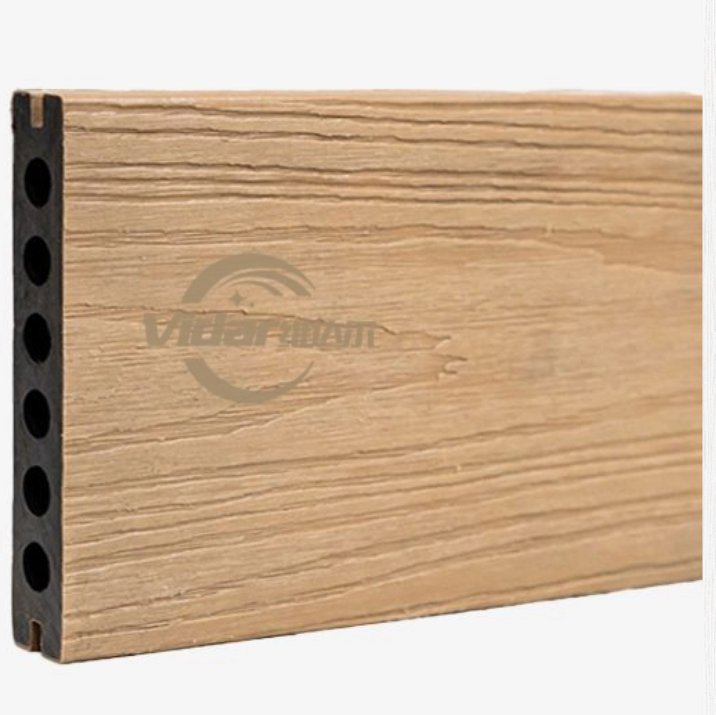
Composite materials expand and contract with temperature changes. Polymer caps retain heat differently than standard blended cores. The core-to-cap ratio influences this specific thermal shift. Darker colors naturally absorb more solar radiation. This causes greater expansion during peak afternoon heat. Installers must strictly adhere to mandated expansion gaps. Proper spacing prevents boards from buckling aggressively.
Best Practice: Always install boards during the coolest part of the day. Leave a 5mm to 8mm gap at butt joints. This allows the material to expand safely when temperatures rise. Failing to leave gaps causes permanent structural warping.
Both material types cut similarly to traditional pine lumber. Standard woodworking tools work perfectly for crosscuts and rips. We recommend using carbide-tipped saw blades for clean edges. However, fastening methods differ significantly between the two. Uncapped boards tolerate traditional face screwing well enough. You simply drive the screw through the top.
You should pair capped boards with hidden fastening systems exclusively. Face screws breach the continuous protective surface shell. This breach allows moisture down into the inner core. It also causes an ugly "mushrooming" effect around the screw head. Hidden clips slide into the grooved edges instead. They secure the board firmly to the joist. They maintain the continuous waterproof barrier on top. They also create a flawless, fastener-free aesthetic.
Surface texture dictates safety in wet outdoor conditions. You must evaluate the embossed grain patterns carefully. Ensure your chosen material meets local safety traction standards. Some lower-tier polymer caps become incredibly slick when wet. This poses a major hazard near hot tubs or stairs.
High-quality capped materials utilize deep, realistic wood grain embossing. This heavy texture provides crucial dynamic friction. It grips shoes and bare feet effectively. Always request physical samples before bulk procurement. Pour water over the sample board yourself. Test the slip resistance manually with your hand or shoe. Poolside installations demand the highest slip resistance ratings available.
Uncapped materials still serve specific architectural purposes well. They offer a reliable upgrade from rotting natural timber. You should consider specifying first-generation boards under the following conditions:
Modern architectural demands usually require advanced material defenses. The protective shell guarantees long-term visual consistency. You should mandate co-extruded materials for the following scenarios:
For demanding residential and commercial environments, utilizing premium WPC Decking ensures structural success. It delivers the exact performance metrics modern buyers expect.
The choice between capped and uncapped composite boards dictates your future maintenance burden. It also determines the aesthetic longevity of your outdoor space. First-generation uncapped materials offer a budget-friendly entry point. They suit covered spaces and dry climates well. However, they remain vulnerable to fading, staining, and moisture ingress. Co-extruded capped boards solve these fundamental flaws entirely. The protective polymer shell blocks UV rays and repels heavy moisture.
For buyers prioritizing a "set-and-forget" lifestyle, capped decking represents the definitive choice. It delivers strict color fidelity and superior scratch resistance. We advise taking actionable steps before finalizing your procurement. Always request physical samples from your chosen manufacturer. Test their scratch resistance with a metal key. Pour oil or wine on them to verify stain defenses. This hands-on evaluation guarantees you select the perfect material for your environment.
A: No, it does not require regular sealing or painting like traditional wood. The plastic matrix holds the fibers together. However, you cannot seal an uncapped board to mimic a factory-applied polymer cap. Aftermarket sealers wear off quickly and do not stop UV fading.
A: Yes. Manufacturers offer 3-sided and 4-sided capping options. A 3-sided cap leaves the bottom exposed to allow the core to breathe. A 4-sided cap seals the entire board, offering maximum moisture protection for extremely wet environments.
A: You should expect a 10-20% lightening in color. This natural weathering phase occurs during the first 12 to 16 weeks of direct sun exposure. After this initial tannin bleed, the color generally stabilizes.
A: Surface temperature is dictated primarily by color choice, not the polymer cap itself. Dark brown and charcoal boards absorb more heat. Light gray and tan boards remain significantly cooler, regardless of whether they have a protective shell.