Views: 0 Author: Site Editor Publish Time: 2026-02-12 Origin: Site


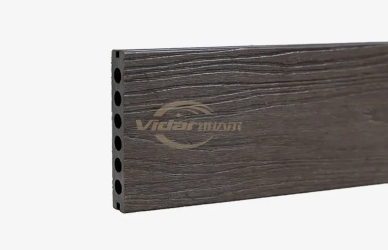
WPC (Wood Plastic Composite) decking has become a popular choice for outdoor spaces due to its durability, low maintenance, and eco-friendly benefits. Made from a combination of wood fibers and recycled plastic, WPC decking offers the look of wood without the upkeep required by traditional timber decking. However, many homeowners wonder if it’s possible to paint WPC decking to enhance its appearance or match their outdoor decor. While WPC decking can be painted, it requires careful preparation, including cleaning, sanding, and priming, due to the unique composition of the material. This article explores whether painting WPC decking is a viable option, the steps involved, and the pros and cons of doing so. Additionally, we will look at alternative options such as staining and sealing, which might offer easier maintenance while still achieving the desired look.
WPC (Wood Plastic Composite) decking is a modern material made by combining wood fibers, plastic, and various additives. Typically, WPC decking consists of 50% wood fibers, 40% recycled plastic, and 10% bonding agents. This blend provides the natural appearance of wood but with improved resistance to weathering, moisture, and pests. The composite material is designed to mimic the aesthetic of wood while offering superior durability and reduced maintenance needs.
Durability: WPC decking is resistant to rot, moisture, and insect damage, making it much more durable than traditional wood decking.
Low Maintenance: Unlike wood, WPC decking does not require frequent staining, sealing, or sanding. Simple cleaning with soap and water is usually enough to keep it in good condition.
Eco-friendly: Made from recycled materials, WPC decking helps reduce the environmental impact of deforestation and waste.
Aesthetic Flexibility: Available in various colors, textures, and designs, WPC decking offers a consistent, wood-like appearance without the inherent imperfections of natural wood.
Enhanced Durability: Traditional wood decking can warp, crack, or rot over time due to moisture, while WPC decking resists these issues, maintaining its structure for a longer period.
Lower Maintenance: Traditional wood requires regular maintenance, such as sealing, staining, and sanding. In contrast, WPC decking requires minimal maintenance, saving time and money.
Longer Lifespan: WPC decking typically lasts 20-30 years, whereas traditional wood decking often requires replacement or extensive repairs after 10-15 years.
Environmental Benefits: WPC decking is a more sustainable option because it is made from recycled plastic and wood fibers, whereas traditional wood can contribute to deforestation.
WPC decking can be painted, but it is important to understand the composition and properties of WPC before painting. Since WPC is a composite material made of wood fibers and plastic, it is not as easy to paint as traditional wood decking. However, with proper preparation, painting is a viable option to enhance the aesthetics of WPC decking and give it a new look.
Smooth Surface: The smooth, non-porous surface of WPC decking can make it difficult for paint to adhere effectively. This requires the surface to be properly sanded and cleaned before painting.
Moisture Resistance: WPC decking’s resistance to moisture, which helps it perform well outdoors, can also make it challenging for paint to stick. The material's plastic content prevents proper bonding unless a suitable primer is used.
Paint Durability: Due to the wear and tear from weather exposure, foot traffic, and other outdoor elements, paint on WPC decking may not last as long as it would on traditional wood. It may peel or fade faster, requiring regular touch-ups or repainting.
Proper surface preparation is essential for a successful paint job on WPC decking:
Cleaning: Start by thoroughly cleaning the decking to remove dirt, mold, and stains. Use a deck cleaner or mild detergent, and a power washer if needed.
Sanding: Lightly sand the surface to create a rough texture for better paint adhesion, as WPC decking's smooth surface can prevent paint from sticking properly.
Priming: Apply a high-quality primer designed for composite materials. The primer improves paint adhesion and prevents moisture issues, ensuring better results.
Choosing the right paint and primer is crucial:
Outdoor Durability: Use paint formulated for outdoor use, offering UV protection and weather resistance.
Moisture Resistance: Ensure the paint is waterproof to handle rain and humidity.
Primer Compatibility: Use a primer designed for composite materials to ensure proper adhesion and prevent peeling.
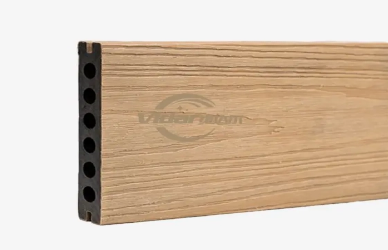
Painting WPC decking offers many aesthetic advantages:
Color Variety: Painting allows you to choose any color, matching the deck to your home’s style or landscaping.
Improved Appearance: A fresh coat can revitalize old decking, hiding imperfections and creating a uniform look.
Painting adds extra protection:
UV Protection: UV-resistant paint helps prevent fading, maintaining the color of your decking over time.
Waterproofing: Paint provides a barrier against moisture, protecting the decking from damage caused by rain or snow.
Increased Durability: Paint adds a protective layer, making the surface more resistant to scratches and daily wear.
While painting WPC decking can enhance its appearance, the paint may not last as long as desired. Exposure to the elements, such as rain, sun, and fluctuating temperatures, can cause the paint to peel, fade, or crack over time. This is especially true for areas with heavy foot traffic or direct sun exposure.
One of the drawbacks of painting WPC decking is the need for regular maintenance. The paint may require touch-ups or a full repainting every 2-3 years, depending on the climate and wear. This ongoing maintenance adds time and cost to keeping the decking looking fresh, especially compared to the low-maintenance nature of unpainted WPC decking.
If you're looking to improve the look of your WPC decking without the commitment of painting, staining and sealing are great alternatives. Staining enhances the natural grain of the material and adds a rich color, while sealing protects the decking from moisture and UV damage. These options require less maintenance than painting and preserve the original texture of the WPC.
For those who prefer the natural appearance of WPC decking, simply maintaining the surface with periodic cleaning and sealing may be the best option. This preserves the original wood-like appearance while providing protection from weathering and wear. It also eliminates the need for painting and frequent touch-ups, making it a hassle-free choice.
Yes, WPC decking can be painted, but proper preparation is essential for the best results. This includes cleaning the surface thoroughly, sanding it to create texture, and applying a suitable primer to ensure the paint adheres well. Without proper prep work, the paint may not last as long.
The best paint for WPC decking is a high-quality, acrylic-based paint designed for outdoor use. This type of paint provides excellent durability, UV resistance, and protection against the elements, ensuring that your decking remains vibrant and well-protected over time.
Repainting WPC decking may be necessary every 2-3 years, depending on weather conditions, exposure to sunlight, and foot traffic. Regular touch-ups and maintenance can help extend the life of the paint, keeping the decking looking fresh and protected for longer periods.
Yes, using a stain instead of paint is a popular alternative for WPC decking. Staining enhances the natural wood-like appearance of the material, while also providing protection against UV rays and moisture. Stains tend to be easier to maintain than paint and don’t require as frequent touch-ups.
In conclusion, painting WPC decking can offer several advantages, including the ability to customize the color and give the decking a fresh, updated look. Additionally, it can provide some extra protection against the elements, helping to shield the material from UV rays, moisture, and wear. However, there are notable downsides to consider. The paint may peel or fade over time, particularly in areas with high foot traffic or harsh weather conditions, and the decking may require regular repainting every few years. If you’re looking for an easier, long-term solution, staining and sealing are effective alternatives that maintain the natural aesthetic of the WPC while still offering protection from the sun and rain. These options require less frequent maintenance and help preserve the original texture of the material. Ultimately, the decision to paint or choose an alternative depends on your aesthetic preferences, maintenance capabilities, and how much time you're willing to dedicate to upkeep. If minimal maintenance is a priority for you, simply cleaning and occasionally sealing the decking may be the best approach. Consider your climate, the level of use, and how much effort you're ready to invest in maintaining your deck when making the final decision.